
The AI-powered chatbot that’s taken the world by storm this year is gradually edging its way into various parts of our lives, including our cars.
Keen for a piece of the action, Mercedes-Benz announced recently that it’s bringing ChatGPT to voice control in its vehicles as part of a plan to make its Hey Mercedes voice assistant “even more intuitive.”
A beta program for the new feature has just started in the U.S. for around a million Mercedes vehicles equipped with the MBUX infotainment system.
The German automaker said customers can launch it via the Mercedes Me app or directly from the vehicle using the voice command: “Hey Mercedes, I want to join the beta program,” which will initiate an over-the-air update.
Mercedes-Benz MBUX Voice Assistant already enables drivers and passengers to receive sports and weather updates, get answers to questions, and even control their smart homes, with ChatGPT set to complement the existing voice control system.
Mercedes claimed that ChatGPT will “greatly improve natural language understanding and expand the topics to which it can respond,” adding: “Soon, participants who ask the Voice Assistant for details about their destination, to suggest a new dinner recipe, or to answer a complex question, will receive a more comprehensive answer.”
The auto company said bringing ChatGPT to its cars has been made possible through a collaboration with Microsoft, which is a big investor in OpenAI, the company that created ChatGPT.
On the subject of privacy, Mercedes said that a person’s voice command data is collected and stored in the Mercedes-Benz Intelligent Cloud, where it is anonymized and analyzed.
“The integration of ChatGPT with Microsoft in our controlled cloud environment is a milestone on our way to making our cars the center of our customers’ digital lives,” Mercedes said in a release. “Our beta program boosts the existing Hey Mercedes functions such as navigation queries, weather requests, and others with the capabilities of ChatGPT. This way, we aim to support conversations with natural dialogs and follow-up questions.”
In-car voice assistants offer drivers a useful way of getting information without having to look away from the road. Hopefully, ChatGPT can help take the technology to another level, helping drivers to get the information they need in a more timely manner.
Related Posts
Tesla’s hidden door problem might end up fixing every car in America
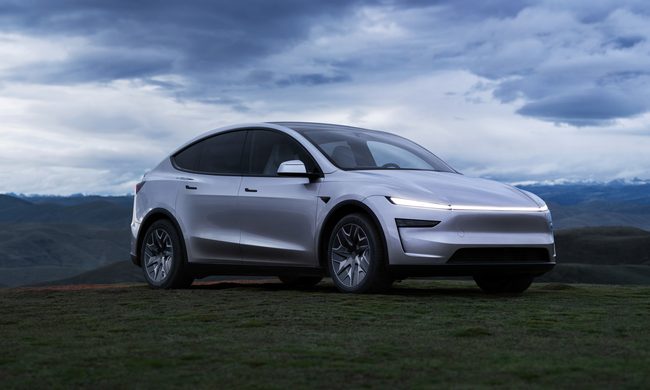
Now the US government has formally weighed in (via The Washington Post). The outcome, I’d say, is bigger than most people think.
Ford’s UEV platform will feature Apple Maps built in

An infotainment system that doesn't need your phone plugged in
WhatsApp’s new in-car experience is built around hands-free control
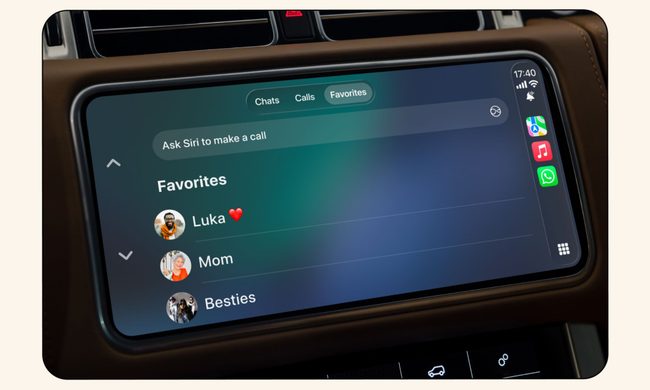
WhatsApp finally works hands-free in the car