
LG continues its tradition of creating a gaming experience in the living room that’s free of screen tearing with the introduction of 12 new OLED TVs that all support Nvidia’s G-Sync technology. Revealed at CES 2020 in Las Vegas, these new TVs measure between 48 and 88 inches diagonally and offer a multitude of modern features, alongside full G-Sync compatibility.
LG was the first TV manufacturer to bring G-Sync-compatible displays to the market, and now it’s expanding its range with a number of other models.
In a similar manner to the open-source FreeSync technology supported by AMD graphics cards (and to a lesser extent, Nvidia’s too), G-Sync is the green team’s own technology that only select brands and models are ratified for. It fixes screen tearing by using variable refresh rates to match the refresh rate of the monitor to the framerate being output by the graphics card. But G-Sync has evolved beyond that into a certification program that Nvidia itself operates.
There are several levels of G-Sync compatibility that Nvidia offers to its partner manufacturers. The G-Sync rating requires the successful completion of more than 300 compatibility tests in Nvidia labs, as well as effective variable refresh rate control. G-Sync Ultimate has all of that and support for over 1,000 nits of brightness, Nvidia’s NULL low-latency technology, a wide color gamut, and a built-in Advanced Nvidia G-Sync processor.
The new TVs aren’t designed to measure up to either of those specifications, as they’re merely G-Sync compatible. That means that the displays haven’t been put through Nvidia’s rigorous testing, but they do support variable refresh rate controls with no flicker, blanking, or artifacts. There are 12 models in total, each with G-Sync Compatible ratings, ranging in size from a modest 48 inches to a massive 88 inches.
Full specifications for the new TVs are yet to be released, but as they use OLED technology, they should have excellent contrast and fantastic color vibrancy. You’ll need to watch out for burn-in, as with many large-screen OLED devices, but new technologies for helping to prevent that problematic downside to the display technology are being introduced all the time. LG has a number of its own that should be employed automatically and can be adjusted in the settings menu.
Nvidia has a lot of other exciting display news coming at CES 2020, so be sure to keep an eye on our official CES coverage and the Digital Trends twitter for all the latest developments.
Updated January 6, 2020: Added a note on G-Sync technology’s use to avoid screen tearing.
Related Posts
Lenovo’s next ThinkCenter desktop is ready to hit the shelves, but the price will make you blink twice
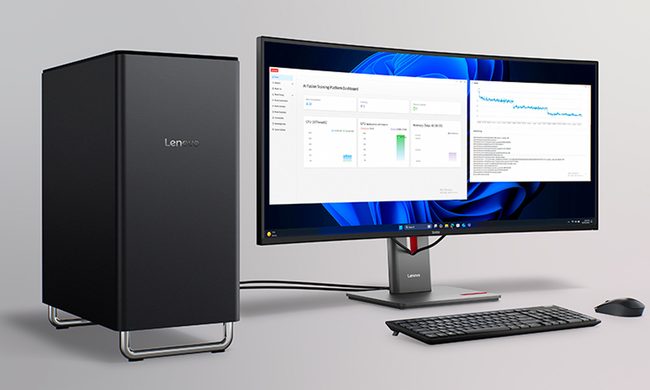
A workstation built for serious workloads
A metallic Hall effect keyboard and a 59g mouse are Lenovo’s latest upgrades for snazzy gaming setups
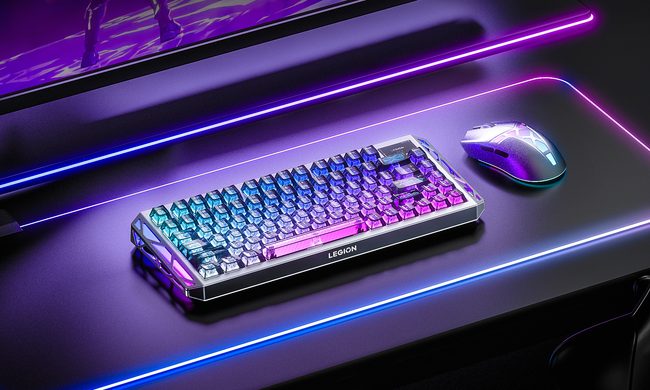
Of course, Lenovo has styled these peripherals to be as bold and eye-catching as possible without getting in the way of practicality. The keyboard has a hefty metallic design with translucent keycaps and RGB lighting. Compared to that, the mouse is more tame and traditional in design, but it also has an RGB strip that appears to belong on an alien spaceship. (via NotebookCheck)
Shopping for back-to-school? These are the budget laptops I’d actually recommend
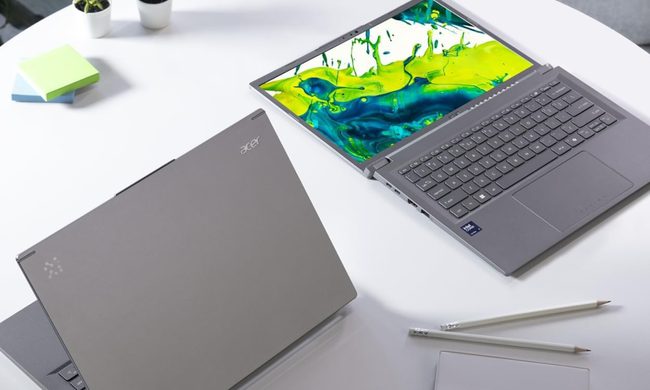
From a flexible touchscreen Chromebook to the least expensive way into macOS, these six laptops balance price and performance well. I'd hand any one of them to a student heading back to campus this fall, depending on what they need and what their priorities are.