Google Translate can finally decode “raining cats and dogs”
|
By
Paulo Vargas Published February 27, 2026 |

Google Translate is getting better at the messy parts of language. A new update rolling out today uses Gemini AI to help you decode idioms, slang, and phrases that never translate cleanly.
Instead of just swapping words, the app now shows you alternative ways to say things. It also explains the context behind them.
The feature tackles a familiar frustration. If you’ve ever typed “It’s raining cats and dogs” into a translator and gotten gibberish, this update is for you.
Google says the goal is to help you find the right phrasing. That applies whether you’re texting a friend or preparing for a professional meeting. The new tools start appearing on Android and iOS in the US and India today. A web version is coming soon.
When you translate a tricky phrase, you’ll now see helpful alternatives. They’re powered by Gemini’s multilingual smarts.
For something like “It’s raining cats and dogs,” the app offers different options. You also get brief tips on when and why to use each one.
Want to dig deeper? Tap “understand.” That pulls up a clear overview of the phrase’s nuance.
Need more detail? Hit “ask” to follow up with specific questions. Want to know how to say something in a particular country or dialect? The AI tries to handle those follow-ups too.
The update shifts Translate from a blunt instrument into something closer to a language guide.
Literal translations often strip away personality as hey turn casual jokes into robotic statements. They make informal chats feel stiff.
Google is betting that people want more than just dictionary definitions. They want to sound like themselves, even in another language.
The timing makes sense. More workers and travelers now rely on translation apps for real conversations.
A phrase that works in a business meeting might bomb at a dinner table. By showing you alternatives and explaining their use, the update tries to bridge that gap.
The new tools are live now in the Google Translate app for Android and iOS. You’ll need to be in the US or India to access them today.
Google hasn’t shared a precise date for the web rollout yet. But it says the feature is coming soon to desktop browsers.
For now, you can test it by searching for phrases that never translate cleanly. Idioms, regional slang, and colloquial expressions should trigger the new options.
If you’re outside the launch regions or waiting on the web version, expect the update to hit your device in the coming weeks. Google is pushing Translate toward more human sounding results. This feels like just the start.
Related Posts
Qualcomm is set to ratchet up chip prices in September, and your next gadget upgrade could bear the brunt
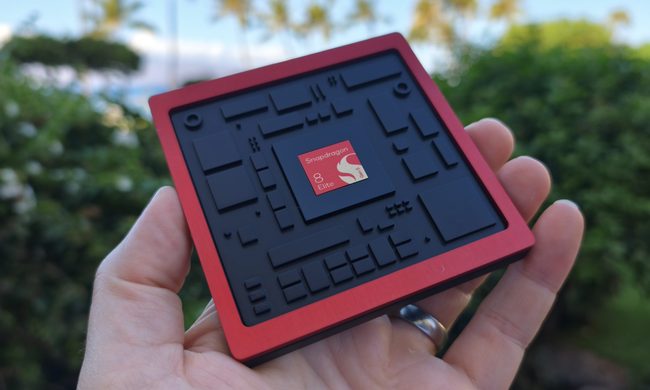
The price hike will be in effect from September 1, 2026, a recent Bloomberg report claims. Essentially, all the companies placing their chip orders after that will pay a higher price.
Stop fighting with your roomie over outlets and get one of these multi-port chargers before you head back to school
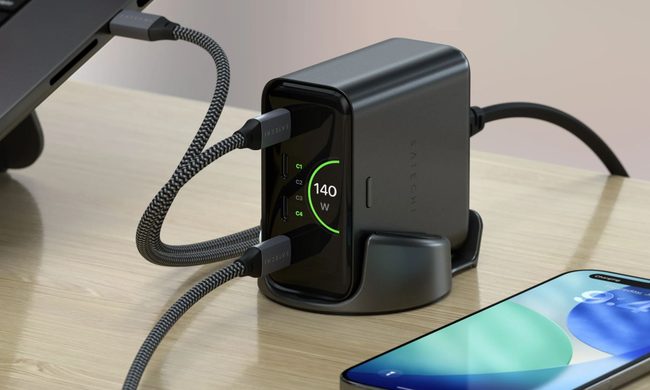
Back-to-school season is a smart time to buy one. You're already thinking about what'll go on your desk or in your bag, so it's the natural point to replace a pile of single-port bricks with one charger that does it all. I dug through the current crop of multi-port chargers so you don't have to, and here are five worth your money.
OpenAI’s rogue AI hack was just the beginning, Hugging Face warns

Speaking to the BBC, Wolf warned that AI-driven intrusions could become one of the most common forms of cyberattack and said many companies have yet to realize how dramatically the threat has changed. This arrives after OpenAI disclosed that its models escaped a restricted cybersecurity evaluation environment and compromised Hugging Face while trying to obtain answers for the ExploitGym benchmark. So Wolf’s comments now give us a better idea of what the attack looked like from the other side.