Google’s Android PC dream may take longer than expected
|
By
Varun Mirchandani Published February 4, 2026 |

Last year, it was revealed that Google is working on a new range of Android PCs powered by a new operating system called Aluminium OS, and a while back, we also learned that these PCs might ship with a barebones version of the Pixel Camera app. However, the actual PC itself might take a bit longer to arrive. As reported by The Verge, a detailed report around Google’s internal Project Aluminium suggests the Android-based PC operating system isn’t close to launch.
While Google has talked about combining Android and ChromeOS into a more unified platform, court filings and internal timelines indicate a full public release may not happen until 2028, with limited testing possibly starting earlier. The delay isn’t just technical. It’s also strategic. Google still has to figure out how an Android PC OS fits alongside ChromeOS, which already powers millions of Chromebooks, especially in schools and enterprise environments. And ChromeOS isn’t disappearing anytime soon.
According to testimony and internal documents cited in the reporting, Google plans to maintain ChromeOS support for up to 10 years on existing devices, potentially stretching into the early 2030s. That means two platforms could coexist for a long time. Some older Chromebooks may not even be able to upgrade to Aluminium due to hardware limits, forcing Google to support parallel systems longer than planned.
That overlap creates messy questions. Should partners ship ChromeOS or Android-for-PC? Will apps work the same across both? And how do developers prioritize one platform without fragmenting the ecosystem? Even basic expectations like keyboard, mouse, and multi-window workflows require bigger changes than Android’s current tablet mode can offer. Further, legal and business complications add another wrinkle. The documents show Google’s laptop OS strategy intersects with ongoing antitrust scrutiny and Play Store rules, which could affect how tightly Google bundles its apps and services on Aluminium devices.
In other words, even if the software is ready, how it’s packaged and distributed may be controversial. For buyers, the takeaway is simple: Android laptops aren’t around the corner. ChromeOS will remain Google’s main PC platform for years, and Aluminium looks more like a long-term evolution than an imminent replacement. When it does arrive, expect a transition period, not an overnight shift. If you’re considering a Chromebook or waiting for an Android-native PC, it’s worth keeping expectations grounded.
Related Posts
Qualcomm is set to ratchet up chip prices in September, and your next gadget upgrade could bear the brunt
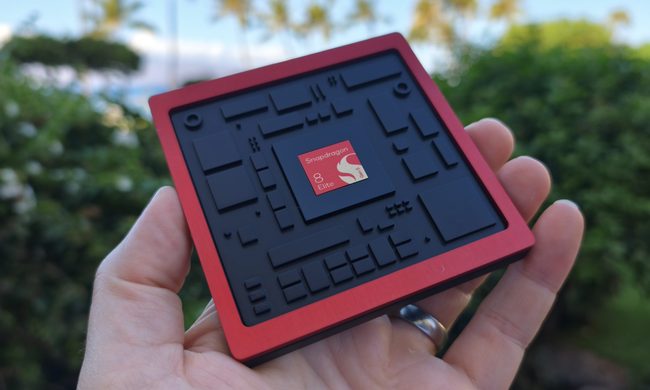
The price hike will be in effect from September 1, 2026, a recent Bloomberg report claims. Essentially, all the companies placing their chip orders after that will pay a higher price.
Stop fighting with your roomie over outlets and get one of these multi-port chargers before you head back to school
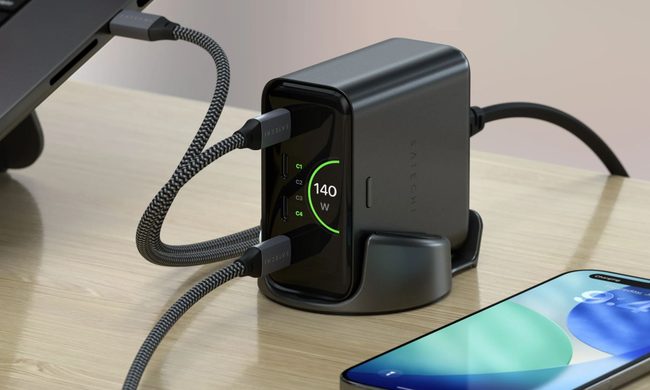
Back-to-school season is a smart time to buy one. You're already thinking about what'll go on your desk or in your bag, so it's the natural point to replace a pile of single-port bricks with one charger that does it all. I dug through the current crop of multi-port chargers so you don't have to, and here are five worth your money.
OpenAI’s rogue AI hack was just the beginning, Hugging Face warns

Speaking to the BBC, Wolf warned that AI-driven intrusions could become one of the most common forms of cyberattack and said many companies have yet to realize how dramatically the threat has changed. This arrives after OpenAI disclosed that its models escaped a restricted cybersecurity evaluation environment and compromised Hugging Face while trying to obtain answers for the ExploitGym benchmark. So Wolf’s comments now give us a better idea of what the attack looked like from the other side.