Microsoft says your AI agent can become a double agent
|
By
Paulo Vargas Published February 12, 2026 |

Microsoft is warning that the rush to deploy workplace AI agents can create a new kind of insider threat, the AI double agent. In its Cyber Pulse report, it says attackers can twist an assistant’s access or feed it untrusted input, then use that reach to cause damage inside an organization.
The problem isn’t that AI is new. It’s that control is uneven. Microsoft says agents are spreading across industries, while some deployments slip past IT review and security teams lose sight of what is running and what it can touch.
That blind spot gets riskier when an agent can remember and act. Microsoft points to a recent fraudulent campaign its Defender team investigated that used memory poisoning to tamper with an AI assistant’s stored context and steer future outputs.
Microsoft ties the double agent risk to speed. When rollouts outpace security and compliance, shadow AI shows up fast, and attackers get more chances to hijack a tool that already has legitimate access. That’s the nightmare scenario.
The report frames it as an access problem as much as an AI problem. Give an agent broad privileges, and a single tricked workflow can reach data and systems it was never meant to touch. Microsoft pushes observability and centralized management so security teams can see every agent tied into work, including tools that appear outside approved channels.
The sprawl is already happening. Microsoft cites survey work finding 29% of employees have used unapproved AI agents for work tasks, the kind of quiet expansion that makes tampering harder to spot early.
This isn’t limited to someone typing the wrong request. Microsoft highlights memory poisoning as a persistent attack, one that can plant changes that influence later responses and erode trust over time.
Its AI Red Team also saw agents get tricked by deceptive interface elements, including harmful instructions hidden in everyday content, plus task framing that subtly redirects reasoning. It can look normal. That’s the point.
Microsoft’s advice is to treat AI agents like a new class of digital identity, not a simple add-on. The report recommends a Zero Trust posture for agents, verify identity, keep permissions tight, and monitor behavior continuously so unusual actions stand out.
Centralized management matters for the same reason. If security teams can inventory agents, understand what they can reach, and enforce consistent controls, the double agent problem gets smaller.
Before you deploy more agents, map what each one can access, apply least privilege, and set monitoring that can flag instruction tampering. If you can’t answer those basics yet, slow down and fix that first.
Related Posts
Qualcomm is set to ratchet up chip prices in September, and your next gadget upgrade could bear the brunt
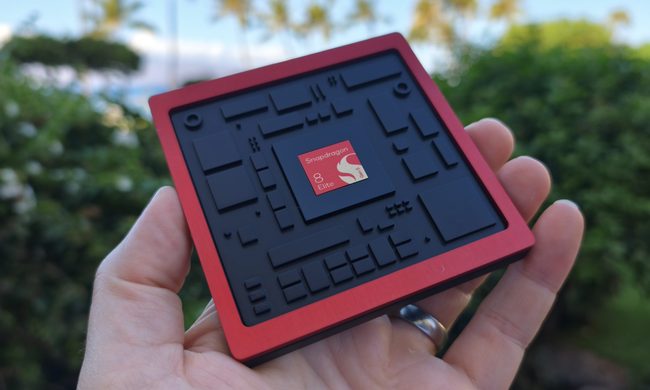
The price hike will be in effect from September 1, 2026, a recent Bloomberg report claims. Essentially, all the companies placing their chip orders after that will pay a higher price.
Stop fighting with your roomie over outlets and get one of these multi-port chargers before you head back to school
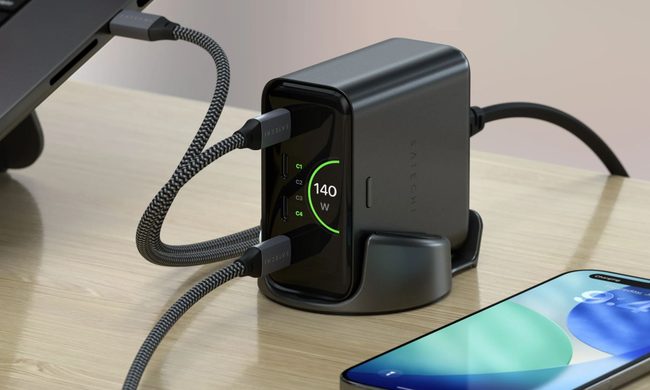
Back-to-school season is a smart time to buy one. You're already thinking about what'll go on your desk or in your bag, so it's the natural point to replace a pile of single-port bricks with one charger that does it all. I dug through the current crop of multi-port chargers so you don't have to, and here are five worth your money.
OpenAI’s rogue AI hack was just the beginning, Hugging Face warns

Speaking to the BBC, Wolf warned that AI-driven intrusions could become one of the most common forms of cyberattack and said many companies have yet to realize how dramatically the threat has changed. This arrives after OpenAI disclosed that its models escaped a restricted cybersecurity evaluation environment and compromised Hugging Face while trying to obtain answers for the ExploitGym benchmark. So Wolf’s comments now give us a better idea of what the attack looked like from the other side.