Nano Banana: everything you need to know about Gemini’s image generation tool
|
By
Jasmine Mannan Published October 18, 2025 |

If you’re interested in the world of AI, or even if you’re not, you’ve likely heard of the catchily named Nano Banana from Google. Nano Banana is the latest AI image generation tool from Google Gemini, allowing users to create or edit images which has led to multiple social media trends.
While there are a range of different AI companions which can generate images for you, including ChatGPT and Copilot, most of these have quite low daily generation limits. What really sets Nano Banana apart is the ability to generate approximately 100 images per day, per user, which is significantly higher than alternatives.
If you’re yet to try out Nano Banana or you just want to find out more about what exactly it is, then we’ve got you covered with details of what Nano Banana is, what it can do and how you can access the software.
Nano Banana is an AI image generation and editing tool from Google Gemini, officially named Gemini 2.5 Flash Image. It was released to the public in late August 2025, but was in pre-release testing for a couple of weeks beforehand allowing for AI fanatics to evaluate it’s performance without knowing it was an official Google product.
Nano Banana is apart of Google’s Gemini line of AI products and despite having an official name, the nickname Nano Banana – which was originally a codename – ended up catching on.
Google announced in October that Nano Banana is coming to Google Search, NotebookLM and Photos making it even easier to access AI image generation or photo editing abilities.
The main feature of Nano Banana is the ability to generation AI images from text prompts, however you’re also able to edit your preexisting images which has popularized the software on social media. You’re able to snap an image and then ask Nano Banana to adjust it, whether it’s adding in new people, changing hairstyles or clearing backgrounds. This has led to multiple trends on social media where users use Nano Banana to add people into images.
Nano Banana also allows you merge multiple images together to create a seamless image – perfect for stitching together images to ensure people aren’t left out of group photos.
Nano Banana in Google Search will allow you to snap a photo with Google Lens (or select one from your gallery) and instantly transform your image using AI without even having to open up an external software or new browser window.
For those hoping to use Nano Banana in NotebookLM, the software allows you to use new styles and filters over the top of preexisting videos like watercolor or anime styles.
Nano Banana doesn’t have its own dedicated web page or app. Instead, Nano Banana is embedded straight into Gemini, which you can access via a browser or the Gemini app (Android / iPhone). When asking Gemini to generate or edit an image, it will automatically use Nano Banana.
Outside of Gemini, Nano Banana can be used in Google Search and will soon be able to be used for NotebookLM and Google Images too.
Nano Banana doesn’t cost anything to use however for those who aren’t subscribed to Google Gemini Pro may face some limitations.
You’re only able to generate a certain number of images per day – while this isn’t a specific number of generations and is instead based on processing power and how busy the server is, this roughly equates to 100 images.
This is one of the most generous free AI generation tools with others like ChatGPT limiting you to approximately 3 images.
A great question. The good news is Google shared its own tips for getting the most out of Nano Banana. The tips include:
You can read more about using Nano Banana on Google’s blog.
Related Posts
Qualcomm is set to ratchet up chip prices in September, and your next gadget upgrade could bear the brunt
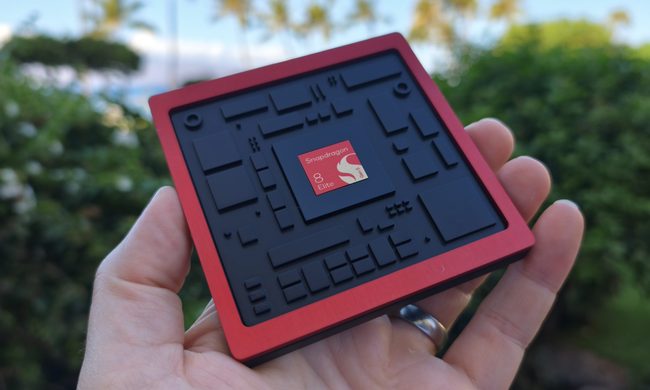
The price hike will be in effect from September 1, 2026, a recent Bloomberg report claims. Essentially, all the companies placing their chip orders after that will pay a higher price.
Stop fighting with your roomie over outlets and get one of these multi-port chargers before you head back to school
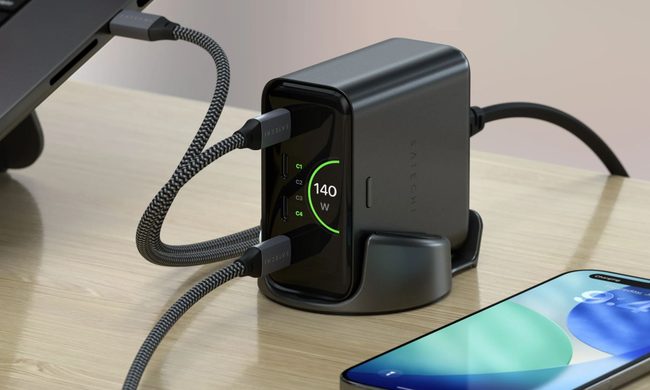
Back-to-school season is a smart time to buy one. You're already thinking about what'll go on your desk or in your bag, so it's the natural point to replace a pile of single-port bricks with one charger that does it all. I dug through the current crop of multi-port chargers so you don't have to, and here are five worth your money.
OpenAI’s rogue AI hack was just the beginning, Hugging Face warns

Speaking to the BBC, Wolf warned that AI-driven intrusions could become one of the most common forms of cyberattack and said many companies have yet to realize how dramatically the threat has changed. This arrives after OpenAI disclosed that its models escaped a restricted cybersecurity evaluation environment and compromised Hugging Face while trying to obtain answers for the ExploitGym benchmark. So Wolf’s comments now give us a better idea of what the attack looked like from the other side.