
Nvidia’s signature tech, DLSS 3, just got yet another update — and although it’s subtle, it actually seems like a good thing for some of the best graphics cards. The latest version, 3.8.10, bundled with the GeForce 566.14 driver, doesn’t seem to introduce any major changes, but Nvidia enthusiasts noticed that it’s about half the size that it used to be. Where’s that difference coming from?
No, Nvidia didn’t downgrade DLSS 3 — at least not in any major way. Although this hasn’t been confirmed by Nvidia itself, it appears that the company removed a whole bunch of DLSS presets and replaced them with just two. These presets make it easier for gamers to choose the type of focus they want to apply to each game.
Some profiles are centered around performance, meaning frames per second (fps), while others focus on high graphics quality. Not every game lets you pick between all the presets that Nvidia used to offer, but you’ll find that some game settings allow you to tweak DLSS and shift between Quality and Performance modes. Now, the choice should be simpler, although it’ll still vary depending on the game.
Prior to this update, Nvidia offered various DLSS 3 presets, from A through D. These profiles covered all sorts of different DLSS tweaks, ranging from profiles made to improve ghosting issues to presets made for fast-paced games. The latest driver removes all of those presets and instead comes with two that are in use and one that’s not currently in use.
Preset E is, according to VideoCardz, the new default preset for Performance, Balanced, and Quality modes. It should provide greater image stability. Meanwhile, preset F is focused on ultra-high performance and deep learning anti-aliasing (DLAA) and should push for higher frame rates. Preset G is not currently in use.
Cutting out all of these different profiles made DLSS 3.8.10 take up less space. That, in itself, really doesn’t matter, but perhaps simplifying the profiles will make it easier for gamers and developers alike to optimize their game settings. You can use third-party tools to optimize your DLSS profiles in games outside of their intended settings, but be careful, because some titles may flag you for cheating when you use that kind of software.
Meanwhile, many are speculating about DLSS 4 and what that might entail, but chances are we won’t find out until Nvidia’s RTX 50-series arrives in January.
Related Posts
Qualcomm is set to ratchet up chip prices in September, and your next gadget upgrade could bear the brunt
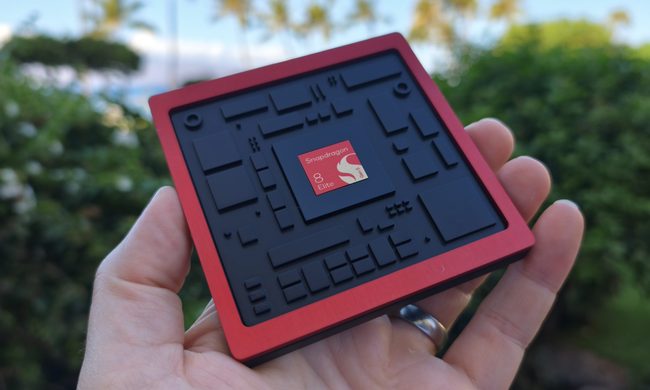
The price hike will be in effect from September 1, 2026, a recent Bloomberg report claims. Essentially, all the companies placing their chip orders after that will pay a higher price.
Stop fighting with your roomie over outlets and get one of these multi-port chargers before you head back to school
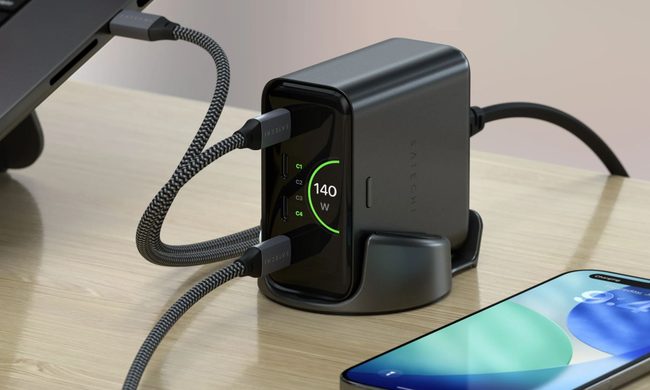
Back-to-school season is a smart time to buy one. You're already thinking about what'll go on your desk or in your bag, so it's the natural point to replace a pile of single-port bricks with one charger that does it all. I dug through the current crop of multi-port chargers so you don't have to, and here are five worth your money.
OpenAI’s rogue AI hack was just the beginning, Hugging Face warns

Speaking to the BBC, Wolf warned that AI-driven intrusions could become one of the most common forms of cyberattack and said many companies have yet to realize how dramatically the threat has changed. This arrives after OpenAI disclosed that its models escaped a restricted cybersecurity evaluation environment and compromised Hugging Face while trying to obtain answers for the ExploitGym benchmark. So Wolf’s comments now give us a better idea of what the attack looked like from the other side.