This massive upgrade to ChatGPT is coming in January — and it’s not GPT-5
|
By
Andrew Tarantola Published November 14, 2024 |
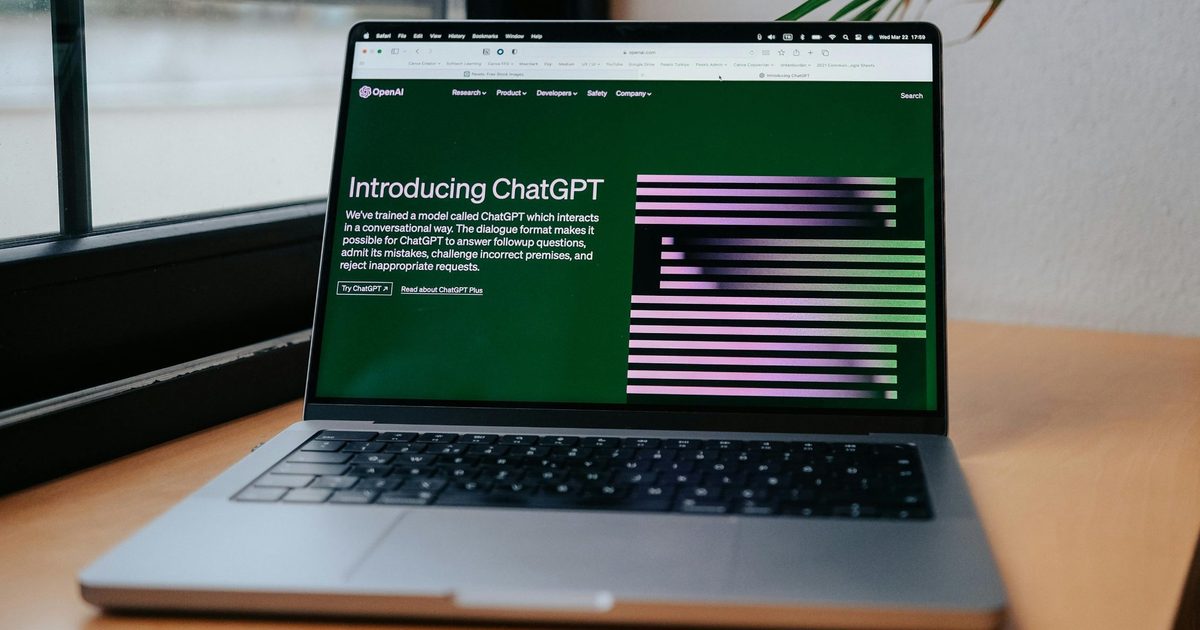
OpenAI is set to launch a new AI agent in January, code-named Operator, that will enable ChatGPT to take action on the user’s behalf. You may never have to book your own flights ever again.
The company’s leadership made the announcement during a staff meeting Wednesday, reports Bloomberg. The company plans to roll out the new feature as a research preview through the company’s developer API.
AI agents differ significantly from traditional programs. Rather than follow a set of predefined instructions, agents can autonomously perceive their environment, process information, and make decisions to perform tasks or solve problems, such as generating complex computer code or booking travel arrangements.
OpenAI is not alone in its efforts. Anthropic recently released its Computer Control feature, which enables the model to manipulate a desktop environment in the same way human users would. Microsoft similarly unveiled its AI agent feature in late October. It’s designed to handle monotonous office work like managing employee records and drafting emails. Google is also working on AI agents of its own, code-named Jarvis, and could preview it by the end of the year.
“We will have better and better models,” OpenAI CEO Sam Altman wrote during a Reddit AMA session last month. “But I think the thing that will feel like the next giant breakthrough will be agents.” According to Bloomberg’s sources, OpenAI is working on multiple styles of AI agent, with the most production-ready version being a general assistant that will be able to take action through a web browser.
The announcement comes as leading AI developers face severe diminishing returns to the rate of their frontier models’ advancement and skyrocketing energy and water requirements. The hope here, apparently, is that if developers can’t simply brute force the upcoming GPT-5 model into better performance metrics, they’ll make them more useful instead.
Related Posts
New study shows AI isn’t ready for office work

A reality check for the "replacement" theory
Google Research suggests AI models like DeepSeek exhibit collective intelligence patterns

The paper, published on arXiv with the evocative title Reasoning Models Generate Societies of Thought, posits that these models don't merely compute; they implicitly simulate a "multi-agent" interaction. Imagine a boardroom full of experts tossing ideas around, challenging each other's assumptions, and looking at a problem from different angles before finally agreeing on the best answer. That is essentially what is happening inside the code. The researchers found that these models exhibit "perspective diversity," meaning they generate conflicting viewpoints and work to resolve them internally, much like a team of colleagues debating a strategy to find the best path forward.
Microsoft tells you to uninstall the latest Windows 11 update

https://twitter.com/hapico0109/status/2013480169840001437?s=20