
If you’ve ever built your own gaming PC, you know that tinkering with the hardware is half the fun. But increasingly, much of the battle for performance and high frame rates has been happening on the software side of things.
DLSS, RT, FSR, and dozens of other acronyms all await you behind your game’s innocent settings menu. Throw in the increasing trend that highly anticipated titles like Elden Ring ship with massive technical issues, and you’ve got a bit of a mess.
And that’s what ReSpec is all about: Breaking down the games you play, the software that power them, and the hardware that makes everything come together so you can get the most out of your gaming PC.
ReSpec is a column about PC gaming minus the games. It’s focused on the hardware and software that make games tick, as well as the various ways you can get the most out of your gaming PC. Although I’ll talk about specific games from time to time — like when I added ray tracing into Elden Ring — I won’t focus on gameplay, mechanics, progression, or anything like that. This column is about technology behind the games we all love.
It’s an opportunity to go deep on PC hardware, gaming technology, and how they intersect to produce the frames you see. My goal is that you’ll understand why Nvidia Deep Learning Super Sampling (DLSS) is becoming obsolete before you buy a new graphics card, and how Unreal Engine 5 is a seismic shift for gaming graphics before the first UE5 game ships.
It’s also an opportunity to learn. There’s a lot to know in the world of PC gaming, especially as unique technologies like 3D V-Cache and Intel XeSS emerge. As I’m sure a lot of you do, I want to learn more about the games I play and the hardware I use, so hopefully we can learn alongside each other.
Understanding new technology is great, but I don’t want to build up something that isn’t important just for the sake of a column entry. In addition to explaining new technologies, you can expect op-eds, experiments, and gaming PC advice.
If you want to keep up on our opinions about the day-to-day news, you can follow to the Digital Trends computing page. ReSpec is set up to provide some takeaways even months after the news cycle
I’m Jacob Roach, and I’ll be writing the columns for ReSpec primarily. About 15 years ago, I bought a Sony Vaio laptop from Best Buy on the advice on a sales associate (the model escapes me, for good reason). I wanted to play Crysis, and I didn’t know any better. After attempting to disable Aero in Vista and dozens of other optimizations, I realized the machine wouldn’t run anything in The Orange Box, let alone Crysis.
Misguided as I was, I’m happy I was steered in the wrong direction. I built my first gaming PC shortly after. Ever since, I’ve been chasing frames, dissecting hardware, and always asking questions about PC gaming and how I can get the most out of it.
I’m still asking questions, and I’m still curious. Hopefully you are, too.
This article is part of ReSpec – an ongoing biweekly column that includes discussions, advice, and in-depth reporting on the tech behind PC gaming.
Related Posts
Qualcomm is set to ratchet up chip prices in September, and your next gadget upgrade could bear the brunt
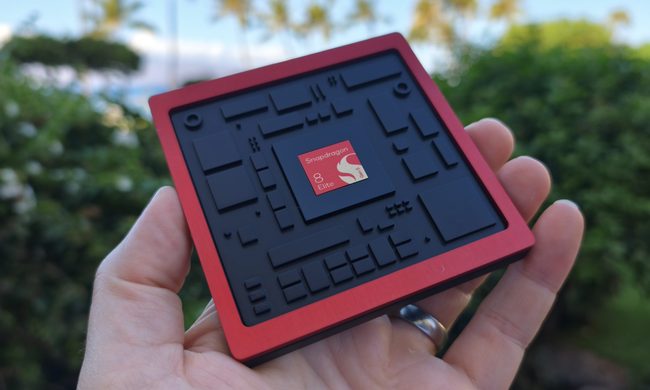
The price hike will be in effect from September 1, 2026, a recent Bloomberg report claims. Essentially, all the companies placing their chip orders after that will pay a higher price.
Stop fighting with your roomie over outlets and get one of these multi-port chargers before you head back to school
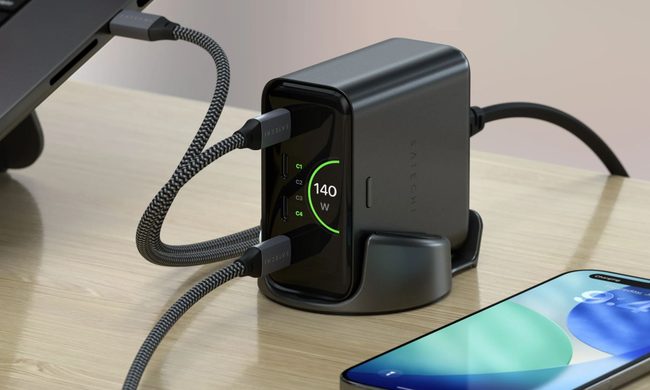
Back-to-school season is a smart time to buy one. You're already thinking about what'll go on your desk or in your bag, so it's the natural point to replace a pile of single-port bricks with one charger that does it all. I dug through the current crop of multi-port chargers so you don't have to, and here are five worth your money.
OpenAI’s rogue AI hack was just the beginning, Hugging Face warns

Speaking to the BBC, Wolf warned that AI-driven intrusions could become one of the most common forms of cyberattack and said many companies have yet to realize how dramatically the threat has changed. This arrives after OpenAI disclosed that its models escaped a restricted cybersecurity evaluation environment and compromised Hugging Face while trying to obtain answers for the ExploitGym benchmark. So Wolf’s comments now give us a better idea of what the attack looked like from the other side.