This $700 discount makes the Samsung OLED G9 much easier to justify
|
By
Omair Khaliq Sultan Published January 13, 2026 |

A 49-inch OLED ultrawide is the kind of monitor you buy once and build your whole setup around. The Samsung 49-inch Odyssey OLED G9 (G93SD) is down to $999.99, saving you $700 off the $1,699.99 compared value. If you’ve wanted the “super ultrawide” experience but couldn’t justify the usual price, this discount is big enough to make it feel realistic, especially for anyone gaming at high refresh rates or using a single screen for work+play.
This is a 49-inch curved OLED monitor with Dual-QHD resolution, 240Hz refresh rate, and a claimed 0.03ms response time. In real terms, you’re getting three major benefits at once:
It’s also G-Sync compatible, which helps smooth out gameplay by reducing tearing and stutter when paired with an NVIDIA GPU.
The value here is the scale of the discount relative to the kind of monitor this is. OLED ultrawides at 240Hz are typically premium-priced, so saving $700 moves it from “dream setup” to “this could actually be the upgrade.”
This is also one of those purchases that improves everything you do on your PC. For gaming, it’s more immersive and more responsive. For productivity, you can run two or three windows side by side without feeling cramped—like a dual-monitor setup without the bezel in the middle.
Two practical notes so expectations stay grounded:
At $999.99, this Samsung Odyssey OLED G9 is a really good value if you want a high-end, 49-inch OLED ultrawide with 240Hz speed for immersive gaming and a huge productivity workspace. If you’re on a smaller desk, use a midrange GPU, or don’t care about ultrawide gaming, you can spend less and still be happy. But if you’ve been waiting for a major price drop on a flagship-class OLED ultrawide, this is the kind of deal that doesn’t show up often.
Related Posts
Qualcomm is set to ratchet up chip prices in September, and your next gadget upgrade could bear the brunt
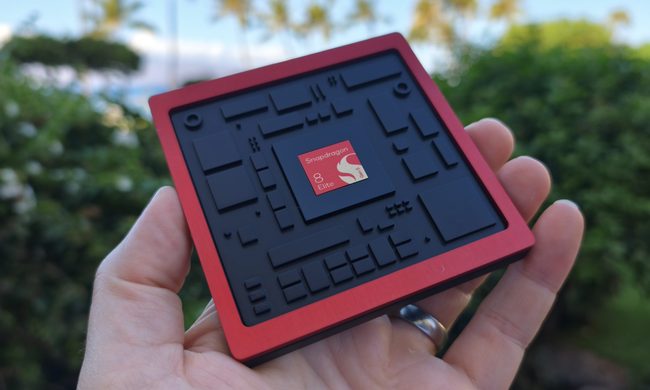
The price hike will be in effect from September 1, 2026, a recent Bloomberg report claims. Essentially, all the companies placing their chip orders after that will pay a higher price.
Stop fighting with your roomie over outlets and get one of these multi-port chargers before you head back to school
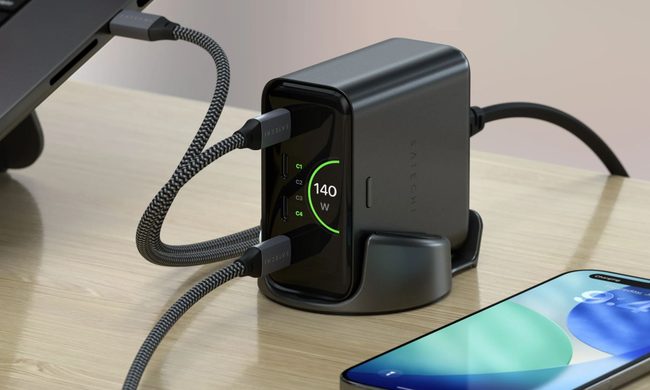
Back-to-school season is a smart time to buy one. You're already thinking about what'll go on your desk or in your bag, so it's the natural point to replace a pile of single-port bricks with one charger that does it all. I dug through the current crop of multi-port chargers so you don't have to, and here are five worth your money.
OpenAI’s rogue AI hack was just the beginning, Hugging Face warns

Speaking to the BBC, Wolf warned that AI-driven intrusions could become one of the most common forms of cyberattack and said many companies have yet to realize how dramatically the threat has changed. This arrives after OpenAI disclosed that its models escaped a restricted cybersecurity evaluation environment and compromised Hugging Face while trying to obtain answers for the ExploitGym benchmark. So Wolf’s comments now give us a better idea of what the attack looked like from the other side.