Windows 11 is adding feature flags, and I’m cautiously optimistic
|
By
Moinak Pal Published April 7, 2026 |

Microsoft has confirmed that Windows 11 is getting a new “Feature Flags” system, giving users more control over experimental features in the operating system. The upcoming addition, spotted in recent Insider builds, introduces a dedicated settings page where users can manually enable or disable features – similar to how flags work in Google Chrome.
Until now, Windows 11 relied on a Controlled Feature Rollout (CFR) system, where updates were gradually released to a limited number of users in phases. This meant that even Windows Insiders – who sign up specifically to test new features – often had to wait or use third-party tools like ViVeTool to access them.
It will allow users to browse a list of available and inactive features, toggle them on or off, and apply changes directly within system settings. Microsoft has acknowledged the feature and said it is exploring ways to make it easier for enthusiasts and testers to try out new capabilities earlier.
This shift is significant because it gives users more agency over how they experience Windows updates. Instead of being randomly selected for features through staggered rollouts, users – especially developers and power users – can choose what they want to test. However, Microsoft is also warning that enabling experimental features may impact system stability or performance, which explains why the company originally relied on controlled rollouts.
Those who enjoy testing new features early will likely benefit the most, as they no longer need to rely on unofficial tools or wait indefinitely for updates. On the other hand, casual users may prefer to avoid toggling experimental features altogether to maintain system reliability.
Looking ahead, the Feature Flags system is currently hidden within Windows Insider builds and has not yet been fully rolled out. Microsoft is expected to share more details soon, with broader availability likely in upcoming preview releases.
If widely implemented, this move could mark a notable shift in how Windows evolves – bringing it closer to the flexible, user-driven experimentation model seen in modern browsers.
Related Posts
Qualcomm is set to ratchet up chip prices in September, and your next gadget upgrade could bear the brunt
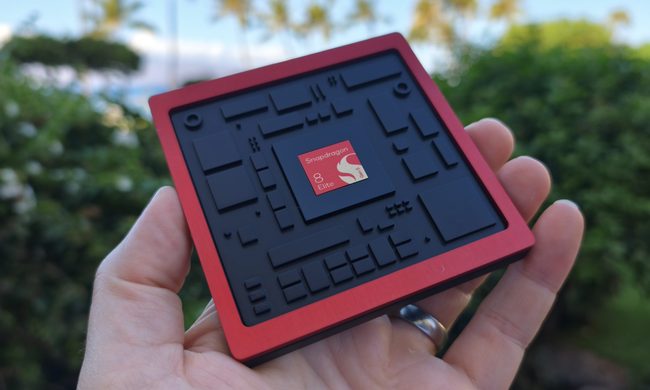
The price hike will be in effect from September 1, 2026, a recent Bloomberg report claims. Essentially, all the companies placing their chip orders after that will pay a higher price.
Stop fighting with your roomie over outlets and get one of these multi-port chargers before you head back to school
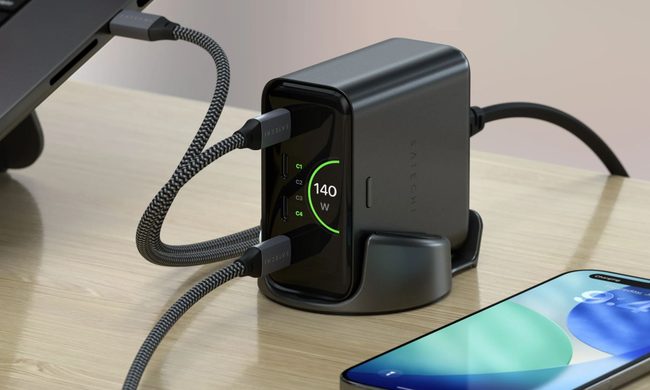
Back-to-school season is a smart time to buy one. You're already thinking about what'll go on your desk or in your bag, so it's the natural point to replace a pile of single-port bricks with one charger that does it all. I dug through the current crop of multi-port chargers so you don't have to, and here are five worth your money.
OpenAI’s rogue AI hack was just the beginning, Hugging Face warns

Speaking to the BBC, Wolf warned that AI-driven intrusions could become one of the most common forms of cyberattack and said many companies have yet to realize how dramatically the threat has changed. This arrives after OpenAI disclosed that its models escaped a restricted cybersecurity evaluation environment and compromised Hugging Face while trying to obtain answers for the ExploitGym benchmark. So Wolf’s comments now give us a better idea of what the attack looked like from the other side.