
Embracer, the embattled gaming company that went through a massive restructuring over the past year, just announced that it will split up into three different companies: Asmodee, Coffee Stain & Friends, and Middle-earth Enterprises & Friends.
If you need a refresher, Embracer Group gained a reputation for acquiring gaming IPs and studios, including everything from Borderlands’ Gearbox Entertainment to Tomb Raider developer Crystal Dynamics to The Lord of the Rings’ rights holder Middle-earth Enterprises. It functioned as one massive company separated into several operating groups. After a deal with Saudi Arabia’s Savvy Group fell through last year, Embracer went through a massive period of “restructuring” where it laid thousands of developers off, shut down studios, and sold the likes of Saber Interactive and Gearbox. Now, it seems the saga of Embracer Group is nearing its end, as the company admitted in a press release “that the current Group structure does not create optimal conditions for future value creation both for Embracer Group’s shareholders and other stakeholders.”
Between now and the end of 2025, Embracer Group will split itself into three companies, each of which will be a standalone company on Sweden’s stock exchange. Although the most immediate impact of this will be on investors, as a player, you should know which companies are in control of what. Although Embracer Group didn’t break down the exact distribution of the 9003 IP and dozens of studios it owns, we have a general idea of who controls what.
Asmodee will have ownership over all of Embracer Group’s tabletop gaming developers and franchises, which encompasses 23 different studios and games like 7 Wonders, Azul, Catan, Dobble, Exploding Kittens, Star Wars: Unlimited, and Ticket to Ride. When it comes to video games, Coffee Stain & Friends and Middle-Earth Enterprises & Friends are the two to keep an eye on.
Coffee Stain & Friends is said to be “focused on a variety of games for PC, console, and mobile, including community-driven free-to-play games, LiveOps games, and indie/AA games.” When it comes to owned studios, publishers like Goat Simulator’s Coffee Stain, THQ Nordic, and Amplifier Game Invest, as well as developers like Ghost Ship, Tarsier, and Tuxedo Labs, Easybrain, Deca, CrazyLabs, and Cryptic, are under this company. In short, this is now the company in charge of games like Deep Rock Galactic, Star Trek Online, Teardown, and Epic Mickey: Rebrushed.
Finally, there is Middle-earth Enterprises & Friends, which plans to be “a creative powerhouse in AAA game development and publishing for PC/console.” Embracer Group’s big-budget games and IP will go to this company, with specific emphasis being put on The Lord of the Rings, Metro, and Tomb Raider. Companies it owns include 4A Games, Crystal Dynamics, Dambuster Studios, Dark Horse, Eidos Montreal, Flying Wild Hog, Freemode, Plaion, Tripwire, Vertigo Games, and Warhorse Studios.
In short, expect tabletop games to come from Asmodee, indie and AA games to come from Coffee Stain & Friends, and AAA games to come from Middle-earth Enterprises & Friends.
Related Posts
Lenovo’s $99 280Hz gaming monitor is built for the ramen-budget crowd
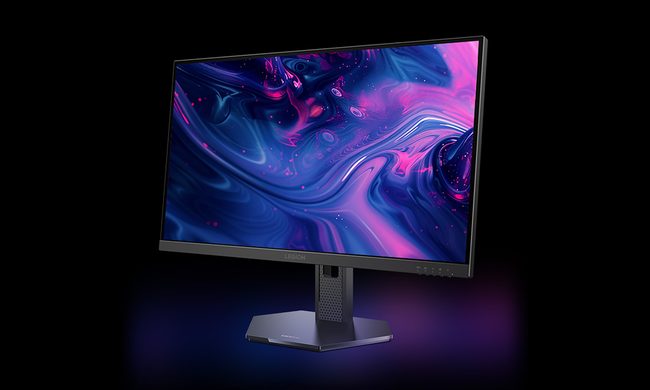
Lenovo is also offering the 27-inch Legion 27-1r with the same core specifications for 789 yuan, or roughly $116. For the ramen-budget crowd chasing competitive frame rates, both look like seriously tempting deals. (via NotebookCheck)
I played Halo: Campaign Evolved, and its cinematics show what a Halo series could’ve been
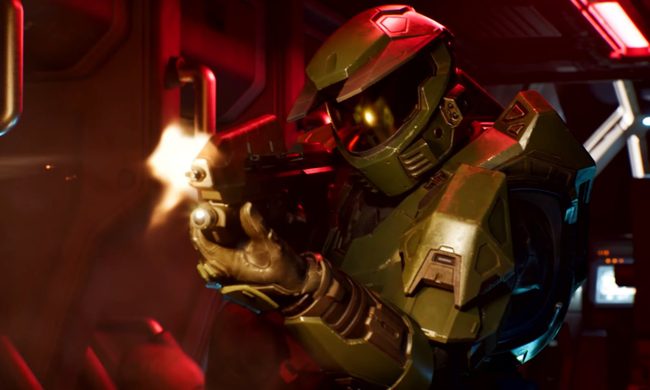
I played the original Halo: Combat Evolved in the early 2000s, and in my head, this was exactly how it looked and felt. The first Halo title introduced intergalactic war to me long before Star Wars, and the cinematic tastefully adds enough minor touches that enhance Bungie's original work from decades ago.
Xbox is fixing one of the PC app’s biggest annoyances with download speed
How the Smart Download Client works