Valve just made the Steam Deck OLED much more expensive
|
By
Moinak Pal Published May 27, 2026 |

Valve has officially raised the prices of the Steam Deck OLED in the US and several other global markets, and the increases are substantial. The move makes the company the latest major gaming platform holder to hike hardware pricing amid rising component costs and ongoing global economic pressures.
The biggest shock comes from the higher-end models. The 1TB Steam Deck OLED now costs $950 in the US, up from its original $650 launch price. Meanwhile, the 512GB OLED version has jumped from $550 to $790.
That means the top-end Steam Deck OLED is now approaching premium gaming laptop territory in pricing – something that could significantly affect the handheld’s appeal among mainstream buyers.
In a blog post announcing the changes, Valve said the new pricing reflects “rising memory and storage costs” alongside broader logistical and economic challenges affecting the technology industry.
The updated prices are now as follows:
The price hikes also apply across multiple regions, including Canada, Europe, Australia, and the UK.
Interestingly, Valve confirmed that certified refurbished Steam Deck OLED models will retain their previous pricing, potentially making them far more attractive for budget-conscious buyers.
The timing of the increase reflects a broader trend across the gaming industry. Over the past year, companies including Sony and Microsoft have also increased console prices globally. Nintendo is similarly expected to raise pricing for the upcoming Nintendo Switch 2 later this year.
Several factors are contributing to the rising costs. Industry analysts continue pointing toward increasing memory and storage pricing, AI-driven demand for semiconductor production, shipping disruptions, and geopolitical instability affecting global supply chains.
Rising oil prices linked to tensions in the Middle East and uncertainty surrounding international trade policies have also pushed manufacturing and transportation costs higher across the technology sector.
The Steam Deck became hugely popular because it offered relatively affordable portable PC gaming compared to traditional gaming laptops. Valve’s aggressive pricing helped the handheld compete directly against devices like the ASUS ROG Ally and Lenovo Legion Go.
These new prices could shift that balance.
At nearly $1,000, the 1TB OLED model now sits much closer to premium handheld gaming PCs that already offer more powerful hardware and native Windows support. That may force buyers to rethink whether the Steam Deck still represents the best value in portable gaming.
The price increase also raises concerns about Valve’s upcoming hardware plans. The company is expected to release a new Steam Machine later this year, though pricing has not yet been announced.
Valve hardware engineer Yazan Aldehayyat recently said the company still aims to keep future products “competitive” and “affordable,” but the latest Steam Deck price hikes suggest affordability in gaming hardware may become increasingly difficult to maintain.
For now, the original LCD Steam Deck models remain unchanged in pricing, which could help soften the impact for entry-level buyers.
However, if component shortages and AI-driven chip demand continue escalating, more gaming hardware price increases across the industry may follow over the coming months.
The bigger concern for gamers is clear: portable gaming is no longer getting cheaper — and the era of relatively affordable handheld PC gaming may slowly be coming to an end.
Related Posts
The hottest indie game on Steam just had a malware scare

How did a custom map become malware?
You can play Xbox games for free if you don’t mind watching ads

However, you'll have to watch a short advertisement before your session begins. Microsoft says the ads will never interrupt gameplay, making this an early test of whether a simple tradeoff can bring cloud gaming to more players.
Lenovo’s latest LOQ is more comfortable running newer AAA games
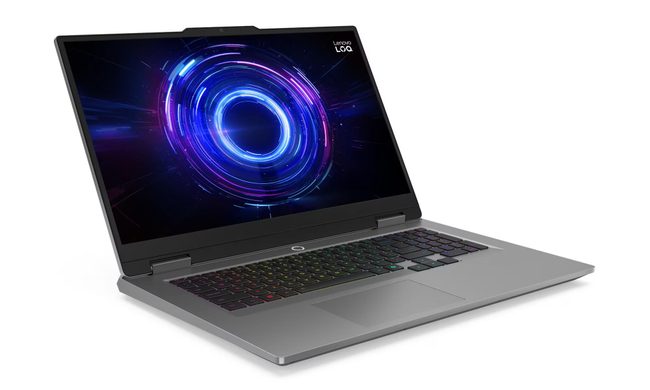
The new variant joins Lenovo's existing LOQ 17IRX10 lineup, which was previously available with GeForce RTX 5050, RTX 5060, and RTX 5070 8GB graphics options. While the chassis remains unchanged, the addition of a 12GB RTX 5070 brings more VRAM to the series, a specification that has become increasingly important as modern AAA games demand larger texture caches and higher memory capacity.