What does cross-platform mean in gaming?
|
By
Jesse Lennox Published July 18, 2025 |

If you’ve been casually following the gaming industry and checking out upcoming video games for the past decade or so, you’ve no doubt heard the term cross-platform come up. You might’ve put together that it has something to do with multiplayer games, such as Marvel Rivals or Fortnite, but you may not know exactly what it all means. Now that it is rarer to hear of a major multiplayer game that isn’t cross-platform, it is better to know what it means for you and how it is impacting your gaming. There are a few layers to what cross-platform means in gaming, so I will break it all down so you know what exactly it is, why it is important, and maybe if you would rather turn it off in certain games.
When people talk about cross-platform support, the component they mainly focus on is crossplay. Crossplay means exactly what it sounds like: games that can be played online between different platforms, aka consoles and PC. Odds are any current multiplayer game you’re playing today is a cross-platform game since it has become standard practice for all major releases. Up until the PS4, Xbox One, and Nintendo Switch generations, there was no option for someone on a PlayStation to play with or against an Xbox player, even if they were playing the same game, with rare exception. While there were some murmurings about crossplay being possible, it wasn’t until September 2017 when Fortnite suddenly allowed players on PS4 and Xbox One to play together after a “configuration issue.” However, this opened the doors for Fortnite to officially launch crossplay as a permanent feature in March 2018. After that, more and more games followed suit and began implementing or launching with full crossplay support to allow players to join up with their friends regardless of platform.
The other aspect to know about cross-platform is cross-progression. This is still less common than crossplay, but is very common among free-to-play games. Cross-progression allows you to start playing a game on one platform, say the PS5, and then continue from where you left off on PC, Xbox, or any other platform the game is on.
Before cross-platform support became the standard, multiplayer games died off much more quickly with segmented audiences. Instead of having a player base of everyone who purchased the game to find matches with, you would only be able to play with those on your console. Now that games are trying to be live services and host massive servers full of players, segmenting the community by platform would make the experience worse for everyone.
The one potential downside to cross-platform support is when one platform, typically PC, has an advantage over the others. This isn’t common, but it can impact certain games. Thankfully, nearly all cross-platform games include the option to disable crossplay if you wish.
Related Posts
The hottest indie game on Steam just had a malware scare
How did a custom map become malware?
You can play Xbox games for free if you don’t mind watching ads
However, you'll have to watch a short advertisement before your session begins. Microsoft says the ads will never interrupt gameplay, making this an early test of whether a simple tradeoff can bring cloud gaming to more players.
Lenovo’s latest LOQ is more comfortable running newer AAA games
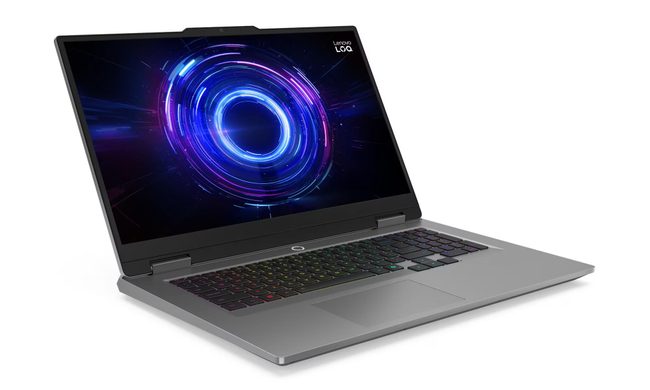
The new variant joins Lenovo's existing LOQ 17IRX10 lineup, which was previously available with GeForce RTX 5050, RTX 5060, and RTX 5070 8GB graphics options. While the chassis remains unchanged, the addition of a 12GB RTX 5070 brings more VRAM to the series, a specification that has become increasingly important as modern AAA games demand larger texture caches and higher memory capacity.