
Your home security system is the main line of defense against burglars and unwanted visitors. It can provide peace of mind when you’re away, but there are a lot of things your security system can do that you might not be aware of. For example, rather than just catching suspicious activity, it also lets you record your pets being silly for video clips worthy of America’s Funniest Videos.
With the right setup, your home security system can extend its functionality far beyond the basics. Here are seven things you didn’t know your home security system could do.
When you come inside, your first step is typically to turn on the lights and/or disarm your security system. You can actually disable your security system with the right key code and connect it to your smart lights so they automatically turn on when you enter the code. You can also connect it to other smart devices like a smart plug to turn on other devices.
Some security systems have integrated connectivity to larger smart home devices. If yours doesn’t, you might be able to connect it through a service like IFTTT, Apple Shortcuts, or something similar. Your security system can provide as much convenience as it does security.
It takes a village, or so they say. While that quote might originally apply to raising a child, it also applies to home security. If one home in a neighborhood is targeted, it’s likely that others will be too. That’s why the entire neighborhood being on alert is a great way to deter crime and keep rates low.
An easy way to do this is to link the two-way audio from your security camera to your security system’s loudspeaker. When you speak to the intruder, it will broadcast so that all of your neighbors hear. It will draw attention to the situation and make your home a far less appetizing target for the would-be thief.
If your home borders a sidewalk, then you might want to turn off constant notifications (or at least set up activity zones to reduce false alarms.) People will walk by the front of your home all the time. The real problem arises if someone lingers for too long in one spot.
If your system is armed, it will send you alerts when someone ventures onto your property. Not all home security cameras have this unique function, but the Vivint Smart Home Security System is one of them. If it’s a neighborhood, it’s possible someone is just retrieving a lost ball or a runaway pet — but if you live off the beaten path, a stranger in your yard is probably not a great sign.
If the worst happens and someone does attempt to burglarize your home, your security system will let you save relevant video clips that you can later upload to a cloud storage service like iCloud or Google Drive. These clips can be turned over to law enforcement to help catch the person later down the line.
The main thing is preserving these clips so that you do not lose them. Many security cameras work on a rolling storage system that will automatically delete clips after a certain time. The ability to save clips for posterity is a key component of a security system.
It’s the nightmare of many people: someone forcing you to turn off the alarm to your home. If they’re threatening you, you have little choice but to comply with their demands. The good news is that some security systems let you enter a special disarm code that triggers a silent alarm and alerts authorities.
Simplisafe is one company that lets you do this. This “duress PIN” sends a signal to the team monitoring your home and notifies police. To anyone in your home, however, the alarm will appear to be disabled.
A smart security system is only as smart as its Wi-Fi connection, right? Not quite. Most base stations have battery backups and cellular connections. While they might not be able to connect to every device in the home, they can provide monitoring services and send alerts out if parts of the system are triggered.
Of course, this requires that your security system have a battery backup and a cellular connection. While it won’t last forever, this backup security can be helpful during a major storm when the power goes out.
Many home insurance companies offer discounts on your monthly premiums if you have a home security system installed. In a way, this helps pay for the system itself. If you get a ten percent discount on a $100 premium, that’s $120 per year you’re saving on insurance costs.
If you think your home insurance is just a little too high (or you just want a way to justify investing in a smart home security system), take a look at the terms of your policy to see if you qualify for any discounts.
Related Posts
Top Smart Home Upgrades Worth Making Before Your Summer Break
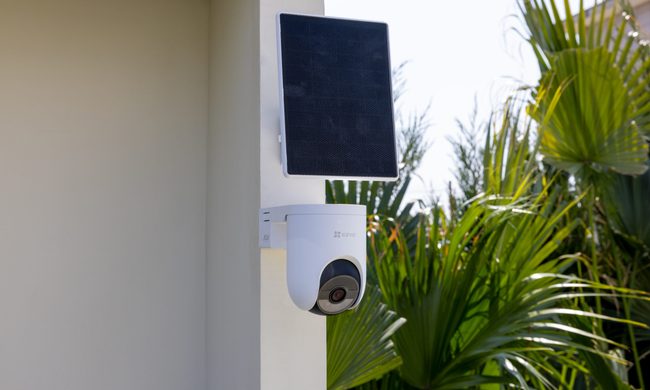
Modern smart home technology makes those situations easier to manage. Today's connected devices can do far more than record footage or send motion alerts. They can help homeowners monitor outdoor spaces around the clock, stay informed about important activity, communicate with visitors remotely, and manage entry without needing to be physically present. Instead of constantly checking in or wondering whether everything is running smoothly back home, the right setup can provide greater visibility, convenience, and peace of mind throughout the season.
EZVIZ Sets a New Benchmark for Battery Powered Home Surveillance
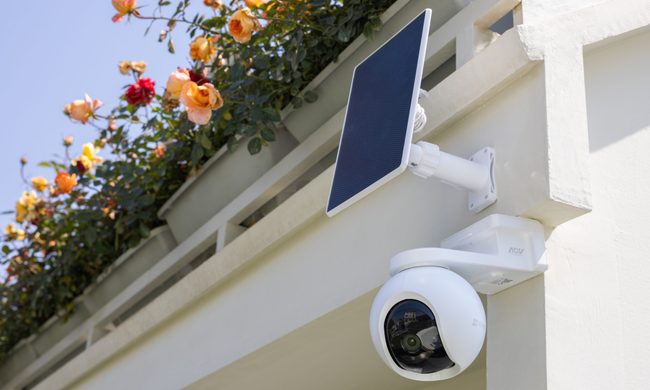
This shift has also raised expectations. Modern users want more than clear video. They expect smart detection, reliable monitoring, seamless smart home integration, and solutions that adapt to different property sizes and lifestyles. As one of the world's leading smart home camera brands, EZVIZ has responded by building one of the industry's most comprehensive portfolios of battery-powered cameras. The lineup is designed to serve every living situation, whether for renters or owners of apartments, condominiums, or villas. From accessible options for everyday monitoring to advanced multi-lens systems for larger and more demanding environments, the portfolio reflects a strong focus on innovation, user-centric design, and real-world needs.
Beatbot AquaSense X review: The pool cleaner for those that want to be pampered
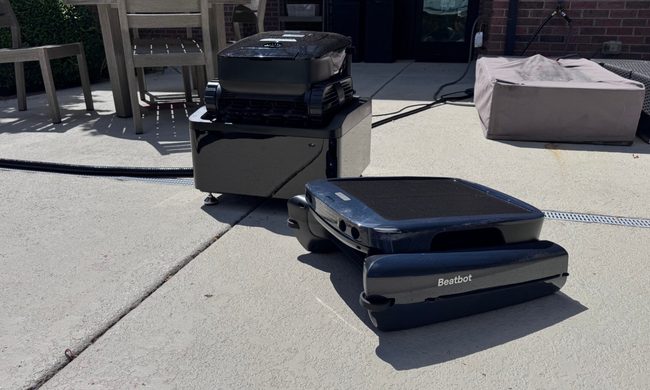
Quick take: