
Amazon’s artificially intelligent Alexa voice assistant, which powers the company’s Echo speakers, has lots of apps. But Amazon is hoping for more. To spur development, it’s partnering with Coding Dojo, a coding school with campuses in Chicago, Dallas, Los Angeles, Seattle, Silicon Valley, Tulsa, and Washington, D.C., to host Amazon Alexa workshops by the end of this year.
The four-hour sessions, which will spread throughout Coding Dojo’s campuses in the coming weeks, consist of lectures and hands-on exercises. Instructors will teach attendees how to build basic Alexa skills and get them certified for publication in the skills store, Alexa’s app market.
“Alexa is a powerful service for customers, and skills are the way it continues to add even more capabilities,” Coding Dojo founder and CEO Michael Choi said in a statement. “It’s impressive how many skills have already been created, and we’re honored to work with Amazon to help developers make Alexa as useful as possible.”
Coding Dojo, which has Alexa-related curriculum and has previously hosted a number of Alexa courses, collaborated with Amazon to produce a series of developer how-to videos late last year. The new workshops mark a renewal of their partnership.
“The Coding Dojo program is one of many ways that we are promoting Alexa skill building,” an Amazon spokesperson told Digital Trends. “Coding Dojo is a pioneer in the coding bootcamp space, so we’ve been thrilled to work with them on events across the country that help aspiring and established coders learn about Alexa skill development. We expect that work to continue.”
Amazon’s Alexa platform has gained impressive ground in two years. The Alexa skills store boasts more than 13,000 apps, and Amazon says “tens of thousands” of developers are actively cooking up new ones.
“Developer reaction to Alexa has been overwhelmingly positive,” and Amazon spokesperson said. “We’ve come a long way in the short time that the Alexa [development kit] has been available for developers, and we’ve seen a wide range of unique skills that allow customers to do everything from reorder their favorite pizza, stay mindful through meditation, or control smart home devices.”
That growth is thanks in part to the success of Amazon’s Echo speakers — the retailer sold millions of Echo Tap, Echo Dot, and original Echo devices this year. But it’s likely attributable, too, to Amazon’s developer outreach. Recent efforts include the AWS promotional credits program, which makes it free for developers to build and host Alexa skills using Amazon Web Services, and a rewards program for game skill developers.
But voice assistant rivals threaten Alexa’s momentum, At Apple’s developer conference in June, it announced the HomePod, a Siri-equipped smart home speaker that can stream music and control connected appliances. Google’s carved out a niche with Google Home, its smart speaker. And Microsoft’s teaming up with brands like Harman Kardon to equip speakers with its Cortana assistant.
Given the competition, it’s no surprise that Alexa remains an “intense” area of R&D for Amazon. At Recode’s Code Conference in San Francisco earlier this year, CEO Jeff Bezos revealed that more than 1,000 of Amazon’s software team are contributing to Alexa’s ongoing development. “There’s so much more to come,” he said in an interview with Recode’s Walt Mossberg. “It’s just the tip of the iceberg.”
Related Posts
Top Smart Home Upgrades Worth Making Before Your Summer Break

Modern smart home technology makes those situations easier to manage. Today's connected devices can do far more than record footage or send motion alerts. They can help homeowners monitor outdoor spaces around the clock, stay informed about important activity, communicate with visitors remotely, and manage entry without needing to be physically present. Instead of constantly checking in or wondering whether everything is running smoothly back home, the right setup can provide greater visibility, convenience, and peace of mind throughout the season.
EZVIZ Sets a New Benchmark for Battery Powered Home Surveillance

This shift has also raised expectations. Modern users want more than clear video. They expect smart detection, reliable monitoring, seamless smart home integration, and solutions that adapt to different property sizes and lifestyles. As one of the world's leading smart home camera brands, EZVIZ has responded by building one of the industry's most comprehensive portfolios of battery-powered cameras. The lineup is designed to serve every living situation, whether for renters or owners of apartments, condominiums, or villas. From accessible options for everyday monitoring to advanced multi-lens systems for larger and more demanding environments, the portfolio reflects a strong focus on innovation, user-centric design, and real-world needs.
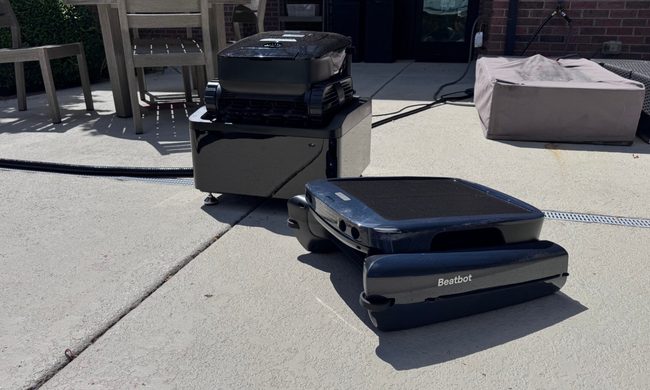
Beatbot AquaSense X review: The pool cleaner for those that want to be pampered
Quick take: