
Poor sleep is a problem plaguing a lot of people. Little interruptions, whether it’s your partner turning over, a cat jumping onto the bed, or any one of a dozen other things can impact how refreshed you feel when you wake up. The new Amazon Halo Rise will help you get a better night’s sleep by breaking down information about everything from your sleep itself to the environment around you.
Announced as part of Amazon’s fall device event, the Halo Rise looks a bit like a ring light, but combines the functionality of a sleep tracker, smart alarm, and wake-up light in one. Onboard AI learns the users’ sleep stages and details information about temperature and humidity in the room, as well as light levels. One key thing to note is that there’s no microphone or camera on the Halo Rise; while it can be paired with Alexa, it’s built with privacy in mind.
There are five major features to the Halo Rise that make it effective.
The smart alarm integration can be combined with the wake-up light to simulate a sunrise, resulting in a much more natural wake-up experience and not the jarring tones of an alarm.
The light can also be used as a reading light, too. The small clock at the bottom of the display makes it easy to see the time with just a glance.
The Halo Rise looks to be an ideal solution for anyone who wants to track their sleep, but doesn’t want to wear a sleep tracker to bed every night.
The Halo Rise retails for $140 and comes with six months of Halo membership (which renews at $4 per month after that). It will be available later this year, and anyone interested in picking up one of these devices can sign up at www.amazon.com/halorise.
Related Posts
Top Smart Home Upgrades Worth Making Before Your Summer Break
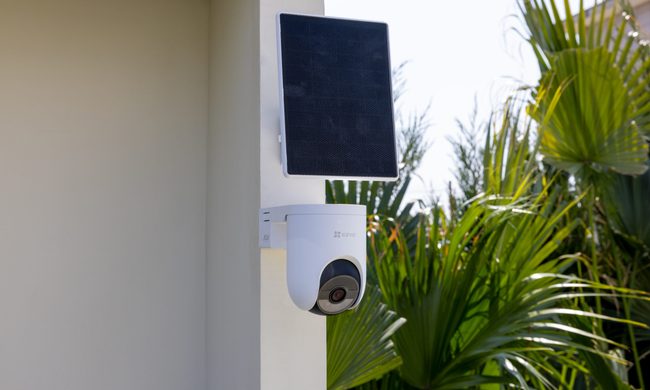
Modern smart home technology makes those situations easier to manage. Today's connected devices can do far more than record footage or send motion alerts. They can help homeowners monitor outdoor spaces around the clock, stay informed about important activity, communicate with visitors remotely, and manage entry without needing to be physically present. Instead of constantly checking in or wondering whether everything is running smoothly back home, the right setup can provide greater visibility, convenience, and peace of mind throughout the season.
EZVIZ Sets a New Benchmark for Battery Powered Home Surveillance
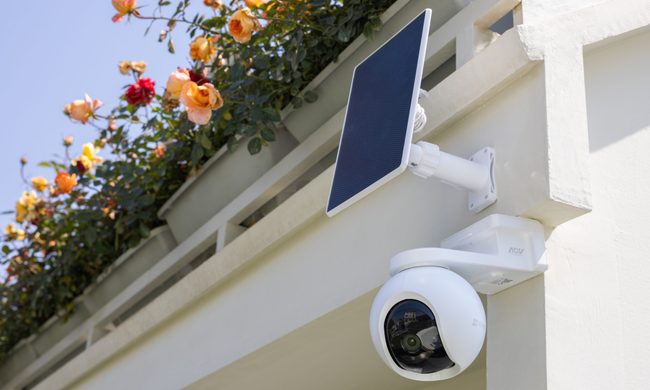
This shift has also raised expectations. Modern users want more than clear video. They expect smart detection, reliable monitoring, seamless smart home integration, and solutions that adapt to different property sizes and lifestyles. As one of the world's leading smart home camera brands, EZVIZ has responded by building one of the industry's most comprehensive portfolios of battery-powered cameras. The lineup is designed to serve every living situation, whether for renters or owners of apartments, condominiums, or villas. From accessible options for everyday monitoring to advanced multi-lens systems for larger and more demanding environments, the portfolio reflects a strong focus on innovation, user-centric design, and real-world needs.
Beatbot AquaSense X review: The pool cleaner for those that want to be pampered
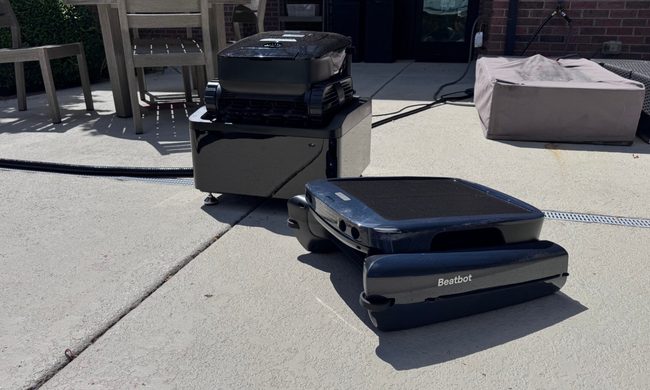
Quick take: