
Upgrading your traditional lock to a smart lock is a great way to bring futuristic security to your front door. These gadgets allow you to interact with your lock using a password, fingerprint, smartphone app, or even voice commands, making them the perfect fit for large families or households with frequent guests. Instead of making several copies of your keys, you can simply give your visitors a code.
Smart locks come in a variety of formats, and one that’s grown increasingly popular is the keyless smart lock. These are exactly what they sound like — smart locks that lack a keyhole entirely. Keyless smart locks rely exclusively on passcodes, fingerprint scanners, and other electronic access methods. But are keyless smart locks as safe as normal smart locks? And how do keyless smart locks compare to traditional smart locks?
The lack of a keyhole can be quite shocking when first encountering keyless smart locks, but the omission comes with a few benefits. The first is that a burglar can no larger pick your lock. Since there’s no keyhole to work with, the only way to gain access to your front door would be through hacking your lock.
Like all electronics, there’s always a risk that your smart lock will be hacked. However, most experts believe this risk is incredibly low. And since most smart locks require the hacker to be located nearby, the risk of hacking is lower than it is with traditional electronics as you won’t be getting hacked by someone on the other side of the continent.
Another benefit of keyless smart locks is that you won’t have to worry about losing your keys. Lost keys aren’t just a headache — they could also give burglars access to your home. But with keyless smart locks, that’s a worry of the past.
Of course, you’ll need to be extra cautious about your password, and it doesn’t hurt to frequently change it. If you have nosy neighbors, be sure to cover up your smart lock when entering your code. Some keyless smart locks that use digital keypads will automatically change the position of numbers, ensuring you don’t get wear marks on the digits used for your code. Consider looking into this feature if security is a top priority.
In short, keyless smart locks are just as safe as traditional locks and standard smart locks. You’ll want to use the same precautions you would always take (such as protecting your password and only giving it to trusted friends), but the lack of a keyhole comes with serious security benefits.
One of the biggest concerns of keyless smart lock owners is running out of power. These units are typically powered by batteries, and if they run out of power, many folks think they’ll be locked out of their home. Thankfully, this isn’t quite the case.
Most keyless smart locks are designed to accept power from a secondary source. For example, the Yale Assure Lock 2 can be temporarily brought back to life by using a 9V battery. Underneath the keypad is a battery terminal — so if you find your smart lock dead after a vacation, you can simply connect a 9V battery to give you enough juice to get inside.
Other models might offer a USB port, which can then be connected to another device to power it on. Because of this useful feature, the risk of getting locked out of your own home when using a keyless smart lock is quite low.
Ready to upgrade to a smart lock? Check out the list of the best smart locks of 2023 to help narrow down all the options.
Related Posts
Top Smart Home Upgrades Worth Making Before Your Summer Break
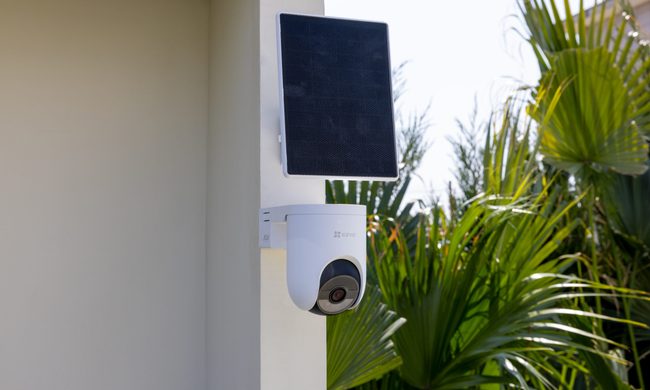
Modern smart home technology makes those situations easier to manage. Today's connected devices can do far more than record footage or send motion alerts. They can help homeowners monitor outdoor spaces around the clock, stay informed about important activity, communicate with visitors remotely, and manage entry without needing to be physically present. Instead of constantly checking in or wondering whether everything is running smoothly back home, the right setup can provide greater visibility, convenience, and peace of mind throughout the season.
EZVIZ Sets a New Benchmark for Battery Powered Home Surveillance
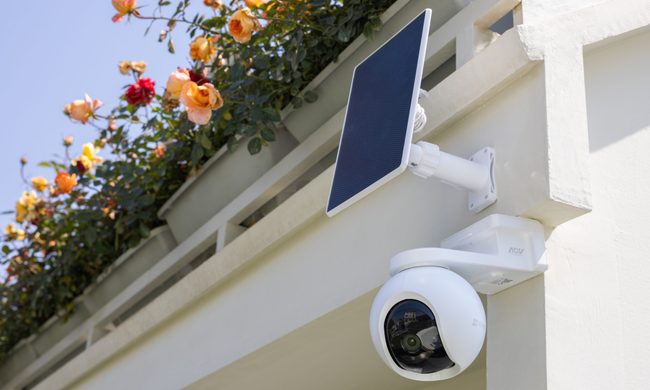
This shift has also raised expectations. Modern users want more than clear video. They expect smart detection, reliable monitoring, seamless smart home integration, and solutions that adapt to different property sizes and lifestyles. As one of the world's leading smart home camera brands, EZVIZ has responded by building one of the industry's most comprehensive portfolios of battery-powered cameras. The lineup is designed to serve every living situation, whether for renters or owners of apartments, condominiums, or villas. From accessible options for everyday monitoring to advanced multi-lens systems for larger and more demanding environments, the portfolio reflects a strong focus on innovation, user-centric design, and real-world needs.
Beatbot AquaSense X review: The pool cleaner for those that want to be pampered
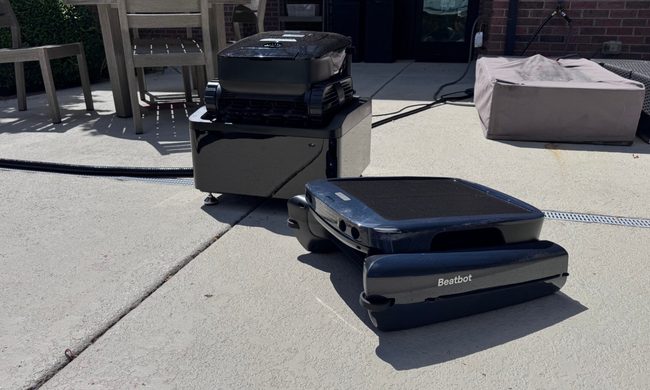
Quick take: