
Now that the smart home zeitgeist has really begun to take hold, there’s no shortage of low-cost DIY security systems on the market. They’re as common as pigeons these days, and there are hundreds –if not thousands– of different companies with their own take on the idea. But even in a space that’s become extremely crowded in the past couple of years, there’s still plenty of room for innovation.
Case in point: the Cocoon security system. In addition to all the requisite sensor tech we’ve come to expect from a device in this category (motion sensors, HD camera, smartphone connectivity, etc.), Cocoon uses a combination of infrasound and machine learning to detect intruders — no matter what room they might be in.
To help clarify that a bit, infrasonics is the study of low frequency sound waves that are below the range of of normal human hearing (around 20Hz or below). Seismologists have used this technology for decades to detect shockwaves caused by earthquakes, and now Cocoon brings it into your home. The device listens for infrasonic disturbances, and with the help of machine learning, can apparently discern normal activity from suspicious activity, pushing alerts to your smartphone when anything fishy is detected.
According to Cocoon’s creators, this technique allows the device to monitor your entire house from a single point. Infrasound detection makes it possible to sense intruders through walls and closed doors, which –if the technology actually works– would effectively solve many of the problems faced by traditional security systems, which are generally limited to a single room, or require multiple sensors to be installed throughout your home.
The company has already produced a number of working prototypes, and has recently taken to Indiegogo to gauge consumer demand and bankroll Cocoon’s first production run. If you back the project now, you can pre-order the device for around $250 to $300. The company expects to ship the first units to backers sometime in Q4 of next year, assuming the campaign reaches its $100K funding goal and manufacturing goes smoothly.
Related Posts
Top Smart Home Upgrades Worth Making Before Your Summer Break
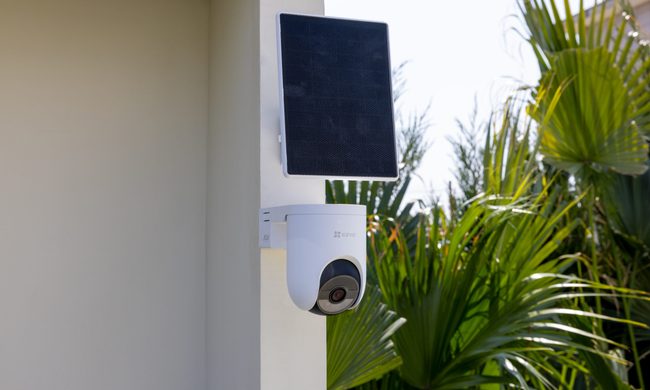
Modern smart home technology makes those situations easier to manage. Today's connected devices can do far more than record footage or send motion alerts. They can help homeowners monitor outdoor spaces around the clock, stay informed about important activity, communicate with visitors remotely, and manage entry without needing to be physically present. Instead of constantly checking in or wondering whether everything is running smoothly back home, the right setup can provide greater visibility, convenience, and peace of mind throughout the season.
EZVIZ Sets a New Benchmark for Battery Powered Home Surveillance
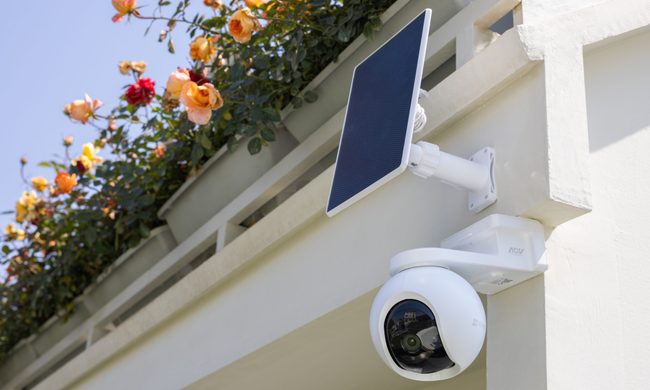
This shift has also raised expectations. Modern users want more than clear video. They expect smart detection, reliable monitoring, seamless smart home integration, and solutions that adapt to different property sizes and lifestyles. As one of the world's leading smart home camera brands, EZVIZ has responded by building one of the industry's most comprehensive portfolios of battery-powered cameras. The lineup is designed to serve every living situation, whether for renters or owners of apartments, condominiums, or villas. From accessible options for everyday monitoring to advanced multi-lens systems for larger and more demanding environments, the portfolio reflects a strong focus on innovation, user-centric design, and real-world needs.
Beatbot AquaSense X review: The pool cleaner for those that want to be pampered
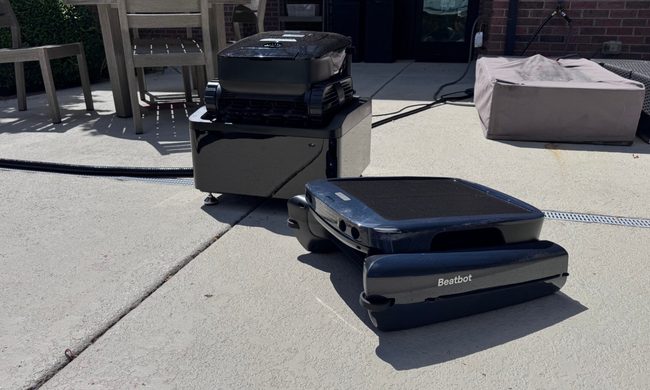
Quick take: