
Many of the pictures we see of Roombas and other robot vacuums in action have them scooting over hard flooring, clearing up pet kibble or dust bunnies. Images of the bots on carpets are rarer, although they exist, too. That leads to a lot of questions from first-time buyers. Can Roombas work on carpet? Do you need a different kind of robot vacuum just for carpet? Will carpet damage a Roomba if it’s not made for it?
Fortunately, most robot vacuums are made to work on carpet and hard flooring, although there are some exceptions. Let’s tackle these questions with an FAQ about how robot vacuums and carpets interact.
Robot vacuums can function on carpets, especially low-profile carpets with low-pile height. Many models are created with automatically-adjusting cleaning heads or adjusting heights that can transition to carpet more easily and can even adjust suction between carpets and hard flooring for the best results.
Robot vacuums without those features may be able to handle carpets, but it’s not guaranteed. If you have a lot of carpeting in your home, always look for robot vacuums that mention they are made for carpets or have modes specifically for carpets.
Roombas come with edge brushes and rubber brushes that tend to work better on hard surfaces. After all, you don’t sweep your carpet. However, the rubber design of the bottom brush can help pick up debris on carpets, and the suction power of all robot vacuums can help suck up dust, dander, and dirt.
However, Roombas and other robovacs aren’t exactly large-scale vacuum cleaners. And while their suction can be powerful for their size, they may not be able to clean as deep down into your carpet as a full-scale vacuum with a powerful cleaning head. If you have embedded dirt or other debris that has sunk down into the pile of your carpet, a robot vacuum may not be able to handle it. That’s why it’s important to occasionally clean carpets with a larger vacuum as well.
If the carpet has a low profile, it shouldn’t be a problem with Roombas that have automatic adjustment features. The robot vacuum will simply hop onto the carpet and keep on going. Sensors on Roombas are smart enough to avoid things like toys, shoes, and even pets that may be on the carpet while they work.
In many homes, the transition between hard flooring and carpet is minimal. However, if floor construction has led to a significant height difference in the surface, some robot vacuums may struggle. Today’s robot vacuums can overcome heights up to three-quarters of an inch, but if your carpet’s height is more than one-quarter inch or so, you should try to test a robot vacuum first (take a look at return options if ordering online) and ask an expert about a particular vacuum. Some vacuums will struggle more than others.
Rugs are different than carpets. They tend to be higher than carpets, they often have fringes that can confuse robot vacuums, and they are frequently shaggier than carpets, which make them difficult to clean.
In most cases, rugs are best handled with a traditional vacuum and/or a good shake outside. Roombas can usually handle low-profile rugs just fine, but sometimes they will automatically avoid rugs, sensing them as an obstacle. To avoid robot vacuums getting caught on rugs, you can set digital boundaries via the Roomba app (other robot vacuum apps may have this feature, but it’s not guaranteed).
Higher-end Roombas can handle high-pile carpets, but other robot vacuums may not do as good of a job. Look for bots with powerful suction, dual turbines, or similar features that will perform well on thicker carpets. Once a carpet reaches shaggy or plush status, it’s too thick for a robot vacuum to tackle, so you’ll need to find other cleaning options.
As we mentioned above, higher, thicker rugs and carpets, especially those with fringe, may look like obstacles to your Roomba. In these cases, Roombas will go around carpets. However, there’s another important exception — black carpets or other very dark-colored carpets. These dark colors mess with many robot vacuum sensors. Robot vacs often read them as a potential falling hazard or another challenge and will refuse to go on the carpet even if it’s level with the rest of the floor.
Related Posts
Top Smart Home Upgrades Worth Making Before Your Summer Break
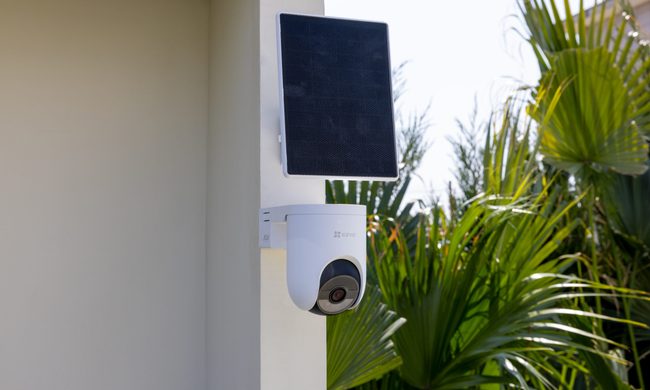
Modern smart home technology makes those situations easier to manage. Today's connected devices can do far more than record footage or send motion alerts. They can help homeowners monitor outdoor spaces around the clock, stay informed about important activity, communicate with visitors remotely, and manage entry without needing to be physically present. Instead of constantly checking in or wondering whether everything is running smoothly back home, the right setup can provide greater visibility, convenience, and peace of mind throughout the season.
EZVIZ Sets a New Benchmark for Battery Powered Home Surveillance
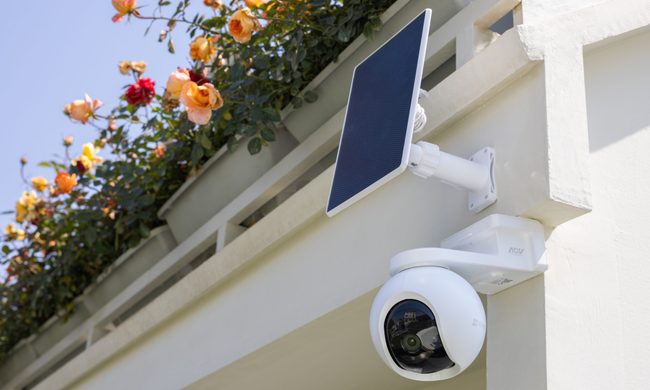
This shift has also raised expectations. Modern users want more than clear video. They expect smart detection, reliable monitoring, seamless smart home integration, and solutions that adapt to different property sizes and lifestyles. As one of the world's leading smart home camera brands, EZVIZ has responded by building one of the industry's most comprehensive portfolios of battery-powered cameras. The lineup is designed to serve every living situation, whether for renters or owners of apartments, condominiums, or villas. From accessible options for everyday monitoring to advanced multi-lens systems for larger and more demanding environments, the portfolio reflects a strong focus on innovation, user-centric design, and real-world needs.
Beatbot AquaSense X review: The pool cleaner for those that want to be pampered
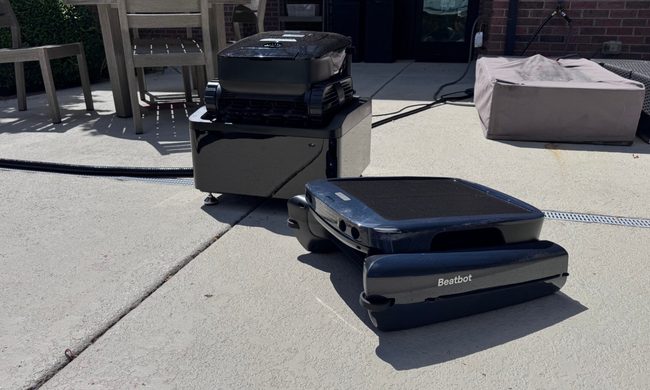
Quick take: