
With the rumor mills in full swing about the Google Nest Mini and the September 9 release of the Nest Hub Max, some fans have criticized Google’s relatively slow update cycle when it comes to smart speakers. After all, the original Google Home Mini was released all the way back on October 19, 2017. That’s two years without a new model! Is the company trying to lose to Amazon? Well, no. Not at all. Google made the smart call by not updating its speakers annually.
Hardware announcements get all the hype, while software announcements are met with much less applause. After all, hardware is something you can touch and feel. It’s tangible. Software is quieter, more behind-the-scenes. Your device might run a little faster, but for the average person, that doesn’t compare to a new, shiny smart speaker.
Instead of releasing a new smart speaker every year, Google has focused on software improvements. What hardware releases have come along have been more impressive than just a design change (take the Echo, for example) or a few new color options. The tech giant has focused instead on improving the number of available skills, addressing customer concerns, and improving the number of compatible devices.
A lot of Google Home users disliked how the smart assistant responded to queries. They desired a simpler response instead of a complete reiteration of their command — so Google made it so the Google Home would respond with a chime to certain questions.
Although Amazon’s Alexa has celebrity voices coming later this year, its voice options still fall short compared to Google Assistant. Google offers more than 10 voice options, some of which speak with non-American accents. It gives Google Home a more distinctive personality than the humdrum tone of Alexa.
All of these things might seem small, but a big advantage for Google Home users is that the smart assistant can listen and respond to three different commands in a row. In practical terms, this makes Google Home much easier to use — there’s no need to say, “Hey Google” multiple times. You can give three different commands at one time. For example, “Hey Google, turn off the lights, lock the front door, and set the thermostat to 65 degrees.”
Audio quality is a huge factor for a lot of users. After all, the “speaker” part of “smart speaker” does make a difference. The Google Home Max reigns supreme with some of the best audio quality of any smart speaker on the market. Smart home audiophiles find their perfect assistant in the Google Home Max, and even the Nest Hub Max is no slouch (though it isn’t quite on the same level as a dedicated speaker).
Alexa struggled to provide a great audio experience, but Google got it right pretty much from the start. Factor in Google Home’s ability to stream music over Wi-Fi as well as Blueooth, and you have an audio powerhouse that does more than serve as just a smart speaker. A recent update even made it possible to move audio from one Google Home device to another with a spoken command.
Google Home can recognize individual voices (and even use voice as a security measure). Up to six user accounts can be placed on a single Google Home device, compared to two on the Amazon Echo. The results Google Home returns will differ based on the user, as the smart assistant provides personalized responses.
On top of multiple users, Google Home supports over 10,000 devices from more than 1,000 brands. If it’s a smart device, chances are pretty high that it is compatible with Google Home. While the smart assistant only has a reported 4,253 skills versus Alexa’s 50,000+, it’s hard to argue with the results.
Google Home is what a smart speaker should be: Responsive, capable, and reliable. The incredible audio quality doesn’t hurt, either. And though the update cycle might be slow, new devices are on the way that will catapult Google’s smart speaker line even higher in popularity. Google might not release as many devices as Alexa does, but that’s because the company doesn’t need to — each device’s quality speaks louder than quantity.
Related Posts
Top Smart Home Upgrades Worth Making Before Your Summer Break
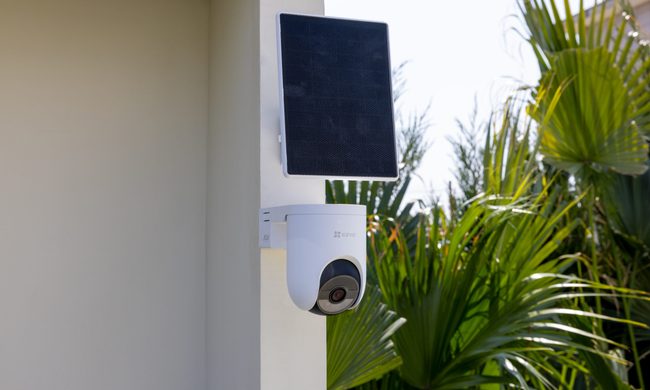
Modern smart home technology makes those situations easier to manage. Today's connected devices can do far more than record footage or send motion alerts. They can help homeowners monitor outdoor spaces around the clock, stay informed about important activity, communicate with visitors remotely, and manage entry without needing to be physically present. Instead of constantly checking in or wondering whether everything is running smoothly back home, the right setup can provide greater visibility, convenience, and peace of mind throughout the season.
EZVIZ Sets a New Benchmark for Battery Powered Home Surveillance
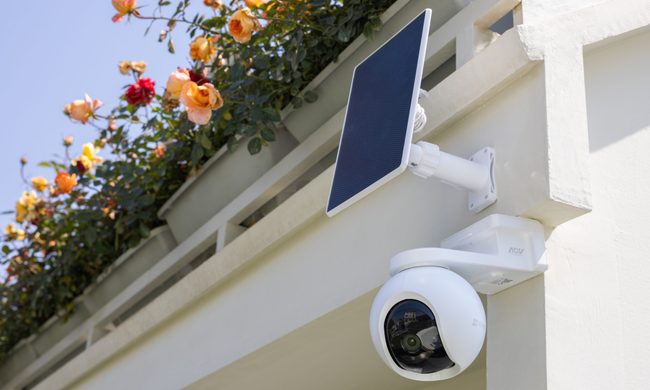
This shift has also raised expectations. Modern users want more than clear video. They expect smart detection, reliable monitoring, seamless smart home integration, and solutions that adapt to different property sizes and lifestyles. As one of the world's leading smart home camera brands, EZVIZ has responded by building one of the industry's most comprehensive portfolios of battery-powered cameras. The lineup is designed to serve every living situation, whether for renters or owners of apartments, condominiums, or villas. From accessible options for everyday monitoring to advanced multi-lens systems for larger and more demanding environments, the portfolio reflects a strong focus on innovation, user-centric design, and real-world needs.
Beatbot AquaSense X review: The pool cleaner for those that want to be pampered
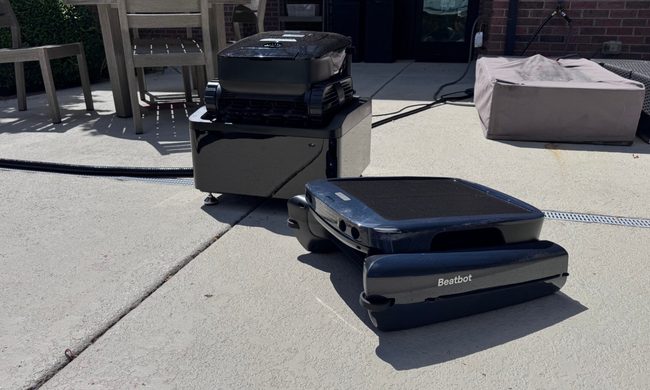
Quick take: