
Google has finally announced its new Nest speaker. Hitting shelves October 5, 2020, the Google Nest Audio boasts a reimagined design and bigger sound compared to its predecessor, the Google Home. The Nest Audio was one of three new pieces of hardware revealed at Google’s Launch In event, alongside a reimagined Chromecast and the Pixel 5 phone.
For those considering a smart speaker, the Nest Audio is just around the corner. But is it worth it to throw down $100 for Google’s latest and greatest, or will a tried and true (and smaller) Google Nest Mini do the trick? We’ve put both smart speakers side by side to see how they stack up against each other, weighing in on things like design, features, and price.
The Google Nest Audio measures in at 6.89 inches tall and 4.89 inches wide and weighs 2.65 pounds. The speaker itself is rather rectangular, which is a welcome change from its predecessor, the original Google Home, which looked a lot like a portable humidifier. The Nest Audio’s enclosure, composed mainly of a fabric wrap from top to bottom, is made out of 70% recycled plastics. The base of the speaker ditches the fabric in favor of more rugged plastic for gripping surfaces like tables and counters.
There are four white LED lights in the middle of the speaker. When you say, “Hey Google,” followed by a command, the lights illuminate to let you know your Google Assistant is listening. In lieu of traditional buttons, volume commands are mapped to left and right touch zones on the speaker, with a physical mic-off switch located on the back. There are five color choices, including chalk, charcoal, sage, sand, and sky.
As the name “Mini” would indicate, the Google Nest Mini measures in quite a bit smaller than the tall Nest Audio. At 1.65 inches tall and 4 inches wide and weighing less than a pound, the Nest Mini uses a versatile puck-shaped design and can even be wall-mounted. Color options include chalk, charcoal, coral, and sky. The Nest Mini enclosure is made of 35% recycled materials and features a full fabric wrap. The base of the Mini is a rugged, easy-grip material.
For voice commands, both the Nest Audio and Nest Mini use three far-field microphones.
While we’ve yet to hear the Nest Audio in person, Google claims its new speaker delivers 50% more bass and 75% more volume as compared to the original Google Home speaker. This makes sense, as the Nest Audio sports a 75mm woofer (compare to the Home’s 50mm radiator) for plenty of deep bass and a 19mm tweeter for crisp, clean vocals. Based on some of the demos we’ve seen, we can assume the speaker does a darn good job of filling most medium-sized rooms with balanced sound. Of course, we’ll be sure to report exactly what kind of tones we’re dealing with as soon as we get our mitts on one.
As far as the Nest Mini goes, the sound profile is quite a bit smaller. The Mini uses a single 40mm speaker drive for both highs and lows, and it’s capable of 360-degree sound, thanks in part to its puck design. The 40mm driver is an upgrade from the original Home Mini speaker, but if you’re looking for real power behind your sound, the Nest Audio is likely a better bet.
Both the Nest Audio and Nest Mini use Bluetooth 5.0 for device pairing and wireless music streaming, as well as Voice Matching, which allows the speakers to remember which member of the household is talking.
Both the Nest Audio and Nest Mini are powered by Google Assistant. You can use both smart speakers to listen to music, news, and podcasts; set reminders; check the weather; and control your smart home ecosystem. You can also use the Google Home app to pair two or more Nest Audio and/or Nest Mini speakers for an expanded stereo experience.
Underneath the shells, the Nest Audio rocks a Quad Core A53 1.8GHz processor alongside a high-performance ML hardware engine. The Nest Mini uses a Quad Core 64-bit ARM 1.4GHz processor with an added ML hardware engine. Think of these essential peripherals as the brains and brawn of both Nest speakers.
In terms of ports, there’s only a DC power connection. Ok, Google. What’s so wrong with having an auxiliary jack? Amazon’s Echo lineup has featured 3.5mm jacks since its first generation. It’s not a dealbreaker by any means, but having a quick hookup for headphones or an external speaker is always a big bonus.
Right now, the Nest Audio goes for $100 and is only available for pre-order. The speaker officially hits shelves on October 5, 2020. In terms of protection, we imagine Google will offer a one-year limited warranty with the Nest Audio, as it has with all other smart speakers (including the Nest Mini). The Nest Audio has yet to be added to the Google device warranties page, but once it does, we’ll be sure to update this section.
The Nest Mini is currently selling for $50 and can often be found bundled with other smart home hardware, like thermostats and security cameras. Often, the value of these bundles is so good that you’re essentially getting the Nest Mini for free.
It depends on who is buying. For some, the bigger sound of the Nest Audio may be most important. If you’re after a smaller speaker (at a lower price), then the Nest Mini may be your best bet. In terms of sound, we can only truly weigh-in once we hear the Nest Audio in action. Right now, though, we’re betting that the dedicated tweeter and bigger woofer are going to make a world of difference, even compared to the original Google Home.
Related Posts
Top Smart Home Upgrades Worth Making Before Your Summer Break
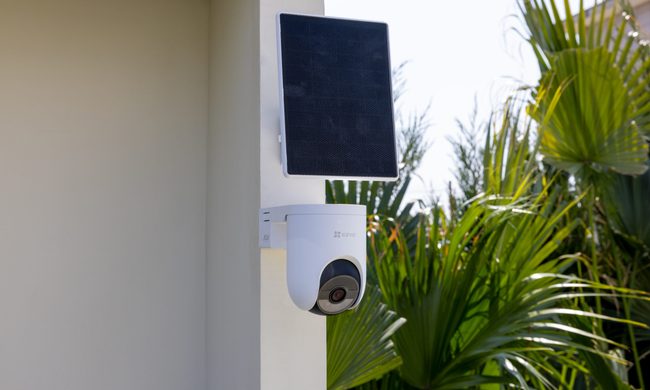
Modern smart home technology makes those situations easier to manage. Today's connected devices can do far more than record footage or send motion alerts. They can help homeowners monitor outdoor spaces around the clock, stay informed about important activity, communicate with visitors remotely, and manage entry without needing to be physically present. Instead of constantly checking in or wondering whether everything is running smoothly back home, the right setup can provide greater visibility, convenience, and peace of mind throughout the season.
EZVIZ Sets a New Benchmark for Battery Powered Home Surveillance
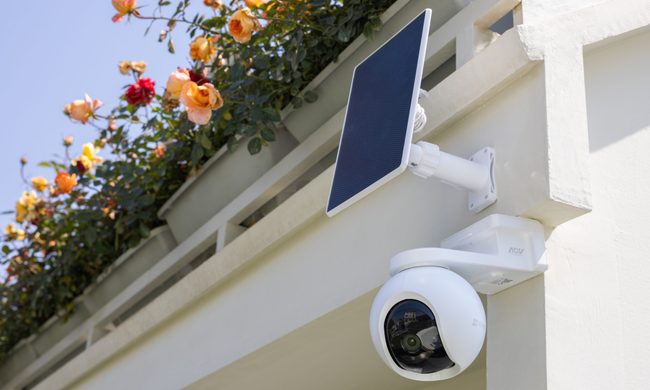
This shift has also raised expectations. Modern users want more than clear video. They expect smart detection, reliable monitoring, seamless smart home integration, and solutions that adapt to different property sizes and lifestyles. As one of the world's leading smart home camera brands, EZVIZ has responded by building one of the industry's most comprehensive portfolios of battery-powered cameras. The lineup is designed to serve every living situation, whether for renters or owners of apartments, condominiums, or villas. From accessible options for everyday monitoring to advanced multi-lens systems for larger and more demanding environments, the portfolio reflects a strong focus on innovation, user-centric design, and real-world needs.
Beatbot AquaSense X review: The pool cleaner for those that want to be pampered
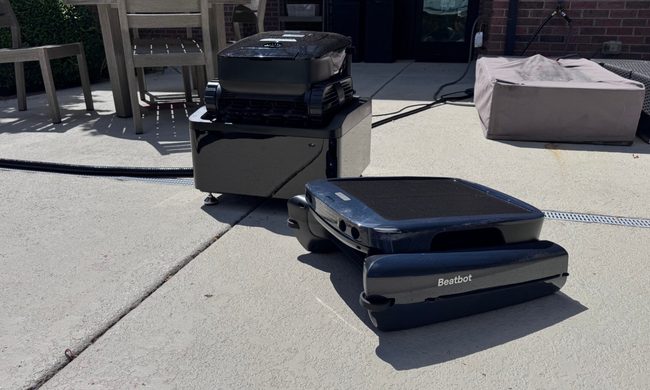
Quick take: