
Google just announced the Nest Mini, an update on 2017’s Google Home Mini — but just how different are the two, really? Google promised a lot of big improvements at the Made By Google 2019 event that had fans excited. We’re going to compare the new version of the Mini against the old and determine whether the upgrade is actually worth it, or whether you should put that $49 toward a pair of Pixel Buds.
The Nest Mini brings with it a few subtle design changes. The Nest Mini is now the same color on top and bottom, giving it a more cohesive look. It also has the three original color options of the Google Home Mini (Chalk, Charcoal, and Coral) with a bonus color named “Sky,” which is a soft shade of blue. It doesn’t look like Google has provided different power cable colors, unfortunately. Speaking of power, it’s a shame that the Nest Mini opted for a proprietary connection, whereas the original featured a Micro USB port.
One of the more notable changes to the Nest Mini is that it has a hanging mount carved into its underside, which makes for easy placement on the wall of your choice. You no longer need a specialized wall mount to hang the Mini in a convenient location. While some will appreciate this option, there’s still the matter of snaking the power chord to reach the outlet.
Both the Nest Mini and the previous Google Home Mini have the same fabric covering their speaker, as well as the inlaid notification lights. However, the Nest Mini incorporates Google’s commitment to sustainable production. The top fabric of each Nest Mini is made of 100% recycled materials, while the external enclosure is made from about 35% post-consumer recycled plastic.
Google upped its audio game with the Nest Mini. The device has double the bass of the original, with a third microphone (versus the two in the Google Home Mini) added into the device to ensure users can be heard even when the music is blaring. The Nest Mini has 360-degree sound and a 40mm driver like the original Google Home Mini.
One of the underwhelming aspects about the Google Home Mini was that it wasn’t that great of a speaker for music listening. It was good enough for interactions with Google Assistant, but fails as a meaningful speaker for larger spaces in the home.
In addition to sound, the Nest Mini adds in features that the original Home Mini can only dream of. The most notable of these is the dedicated machine learning chip. In layman’s terms, this gives the Nest Mini (and Google Assistant) the ability to learn your habits and behaviors so that it can respond more quickly and naturally to requests.
It also incorporates what Google calls “ultrasound sensing.” In lieu of having more cameras in the home and opening up privacy concerns, Google’s newest devices can detect if you’re nearby.
The Nest Mini still has the same capacitive touch controls of the Google Home Mini, so if you’re a fan of tapping the device to activate it instead of saying “Hey, Google,” don’t worry — that feature is still there. There are now additional embedded LED lights that flank the main three on the sides of the Nest Mini to turn up or lower the volume.
Finally, the Nest Mini can utilize the revamped Nest Aware subscription plan to act as a home alert system. The device can listen for critical sounds like smoke and carbon monoxide alarms and alert you no matter where you are. It also gives you the ability to contact emergency services from your device through Google Assistant so that you’re connected to the proper authorities for your home’s area.
The Google Mini and the Nest Mini are both priced at $49. The Nest Mini will be available for purchase on October 22 from major retailers and online, but you can pre-order the device today. The Nest Mini has a host of new features that the Google Home Mini does not, and the onboard machine learning chip means it will only improve as time goes on. If you haven’t invested in one of these assistants yet and you want to, the Nest Mini is a clear choice — after all, it’s the same price as the Home Mini.
Related Posts
Top Smart Home Upgrades Worth Making Before Your Summer Break
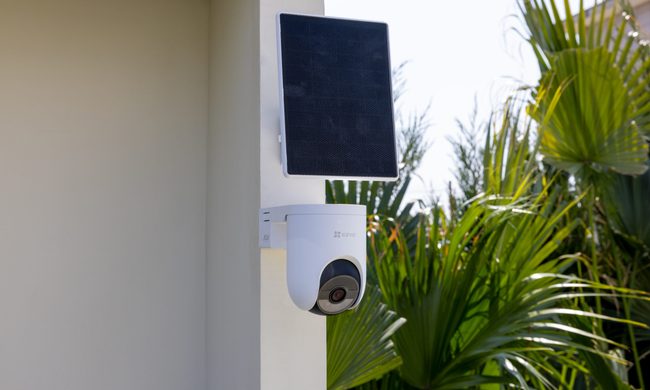
Modern smart home technology makes those situations easier to manage. Today's connected devices can do far more than record footage or send motion alerts. They can help homeowners monitor outdoor spaces around the clock, stay informed about important activity, communicate with visitors remotely, and manage entry without needing to be physically present. Instead of constantly checking in or wondering whether everything is running smoothly back home, the right setup can provide greater visibility, convenience, and peace of mind throughout the season.
EZVIZ Sets a New Benchmark for Battery Powered Home Surveillance
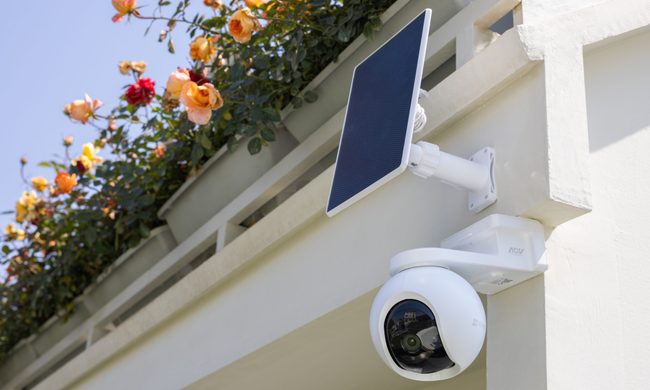
This shift has also raised expectations. Modern users want more than clear video. They expect smart detection, reliable monitoring, seamless smart home integration, and solutions that adapt to different property sizes and lifestyles. As one of the world's leading smart home camera brands, EZVIZ has responded by building one of the industry's most comprehensive portfolios of battery-powered cameras. The lineup is designed to serve every living situation, whether for renters or owners of apartments, condominiums, or villas. From accessible options for everyday monitoring to advanced multi-lens systems for larger and more demanding environments, the portfolio reflects a strong focus on innovation, user-centric design, and real-world needs.
Beatbot AquaSense X review: The pool cleaner for those that want to be pampered
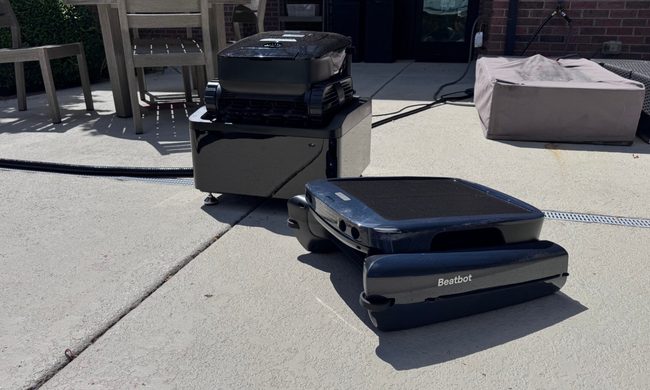
Quick take: