
Without any warning, Google has apparently yanked the guest mode feature from its Google Home and Google Nest smart speakers. The feature provides an easy way for owners of these smart speakers to give their friends access to the devices for the sake of streaming music, without needing to share Wi-Fi passwords or allow control of the speaker’s other functions. When the feature is turned on, cast-enabled apps on your friends’ mobile devices will show your Google Home smart speakers as an available target device for casting.
The removal of guest mode was first discovered by Android Police on January 11, but Digital Trends has confirmed that if you go into the Google Home app on a mobile device, there is no longer a Guest Mode item in the settings menu for devices like a Google Home or Google Home Mini smart speakers. Google has also removed the support page for guest mode from its help site.
Strangely, guest mode hasn’t been obliterated entirely. It’s still available for Chromecast devices. The fact that guest mode remains on Chromecast devices suggests that the decision to remove it from Google Home speakers is not related to a problem with the technology itself. Digital Trends has reached out for a comment on this from Google, but the company had not yet responded by the time we published this article.
The timing of guest mode’s disappearance is oddly coincidental with the recent announcement that Sonos has decided to sue Google over its alleged copying of Sonos’ intellectual property and patents related to wireless speakers. That news broke on January 8, during CES 2020, just three days before the removal of guest mode was discovered.
The past year hasn’t been a particularly good one for Google’s smart home hardware division. With the exception of the Google Nest Mini — a very minor update and branding change to the Google Home Mini — the company hasn’t launched any new smart speakers. Its biggest competitor, Amazon, meanwhile has been on a tear, announcing updates to its entire line of Echo products, including its first Echo-branded true wireless earbuds and a premium, 3D smart speaker called the Echo Studio.
Google is also facing new competition from Facebook, whose Portal smart display products go head-to-head with both Google’s Nest Hub Max and Amazon’s Echo Show.
We’ll update this article as soon as we hear back from Google regarding its removal of guest mode.
Related Posts
I desperately want a new classic Walkman, but Sony probably can’t give me one
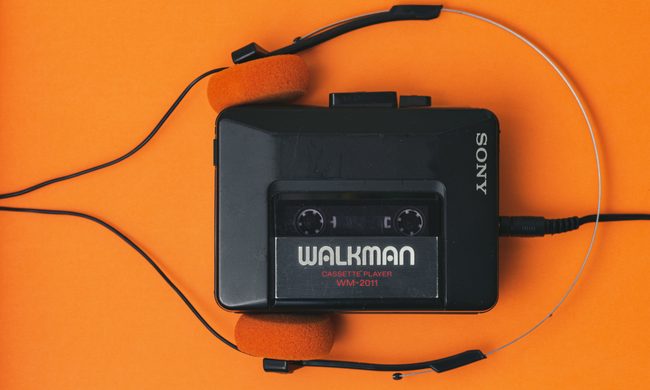
All of this makes it the perfect time for Sony to bring back the classic Walkman, which was a phenomenon during the 80s and 90s. I would love one. Give me a compact cassette player, physical buttons, and wired headphones. Keep the apps, notifications, and algorithms that shape your taste of music. No more AI assistants or personalzied feeds, just you and your Walkman. There is only one problem though. Recreating the Walkman that people love and remember, would be far harder than putting an old design back into production.
Proton reveals how smart TVs track you and the escape situation is pretty grim
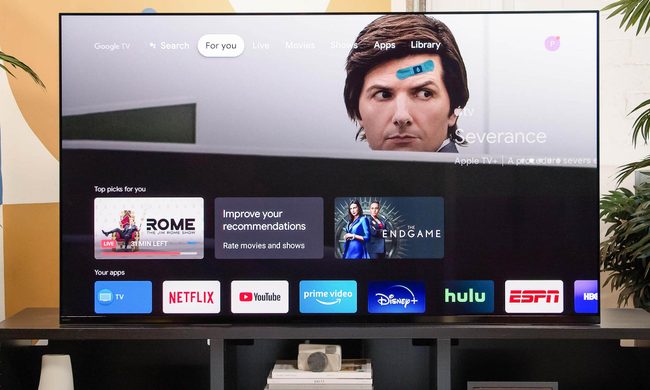
The worrying part is that escaping this tracking is becoming increasingly difficult because many privacy controls are buried deep in settings or enabled by default. Proton argues that buying a smart TV today often means accepting a level of surveillance that most people never knowingly signed up for.
LG is cracking down on smart TV apps that quietly turn your TV into a secret proxy
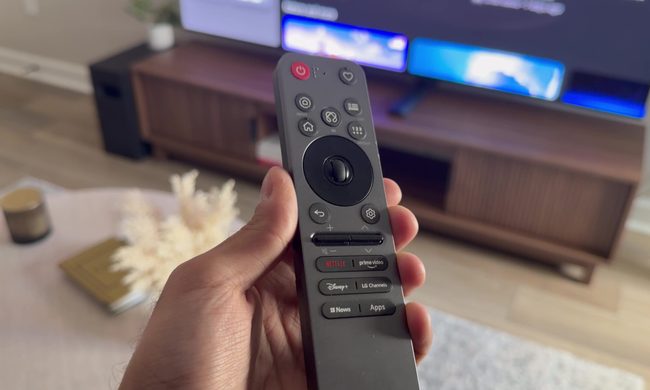
The move follows a report from security firm Spur, which found that more than 42 percent of apps on LG's webOS store include SDKs that quietly reroute internet traffic through your TV, indefinitely. Samsung isn't spared either, with over a quarter of Tizen apps carrying similar code.