
2022 has been a big year for LG’s TVs, as the company has moved well beyond traditional wall- or stand-mounted models, into new designs that are targeted at specific audiences like gamers and those who want their TVs to be more than just black rectangles on a wall.
The company had previously introduced us to the bendable OLED Flex and the touchscreen-based StanByMe, but now, as part of the company’s presence at the CEDIA show in Dallas, TX, LG has told us how much they’ll cost. LG is also taking the opportunity to introduce a new model in its Objet series, known as the Posé — a quirky, easel-like TV that has space for things like magazines on its rear shelf.
Price: $2,999, available in October 2022
With the world’s first broadly available bendable OLED screen, the LG OLED Flex will literally turn heads. You can use the remote to adjust the screen’s curvature from totally flat to a curve of 900R using preset positions, or you can manually adjust it in increments to suit your personal taste.
Gamers will not only appreciate the bendy nature of the screen, but also its technical specifications, with perfect black levels and 0.1 millisecond response time, plus its low input lag. And because you’re probably going to get up close and personal with this TV, you can adjust how much of the screen is used to present the image, when the virtual screen size option is added later this year.
Price: $999, available in October 2022
LG’s unusual, pedestal-mounted StanByMe is a fully wireless, 27-inch TV that is also a touchscreen. You can raise and lower the display to suit your height needs, but it can also swivel and rotate from landscape to portrait mode. Hidden wheels in the base make it easy to roll from one room to another, and the unit includes a rechargeable battery that LG says can keep the TV powered on for up to three hours before needing to be plugged back in.
A textured fabric panel on the back keeps it from looking like an eyesore when standing in the middle of a room, and the TV can be used for video calls by syncing it to your Android or iOS smartphone’s camera. An included cradle lets you mount your phone to the TV’s bezel.
Buy at LG Electronics : $1,999, available now
48-inch model (48LX1QPUA): $1,699, available in November 2022
In keeping with the StanByMe’s lifestyle theme, the LG OLED Posé is another TV that is meant to look good even when it’s not in use. The 4K OLED screen is integrated into a U-shaped body that sits on a set of easel-like legs. The back side of the U is slightly shorter than the front and is clad in a textured fabric. There’s enough room between the two panels to house a collection of magazines, or you can hang an additional compartment on the lip, to store things like extra electronics (see below), though this would seem to go against the minimalist, decor-oriented theme of the Posé.
Related Posts
Stop joining group projects with a blurry laptop webcam and buy one of these instead
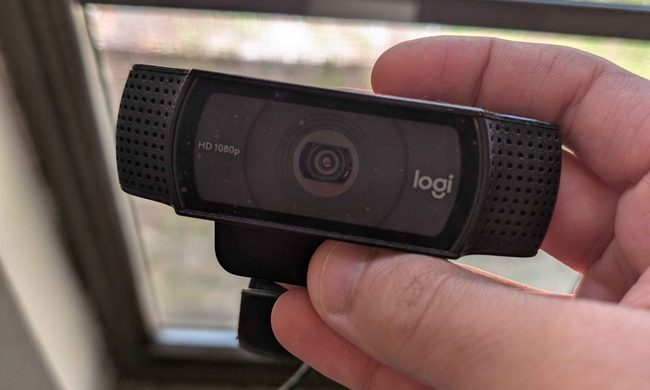
Laptop cameras also tend to sit far too low, especially when the computer is placed directly on a desk. Meanwhile, a dedicated webcam lets you position the camera closer to eye level. This improves the framing and brings larger sensors, better microphones, and more effective low-light processing.
I desperately want a new classic Walkman, but Sony probably can’t give me one
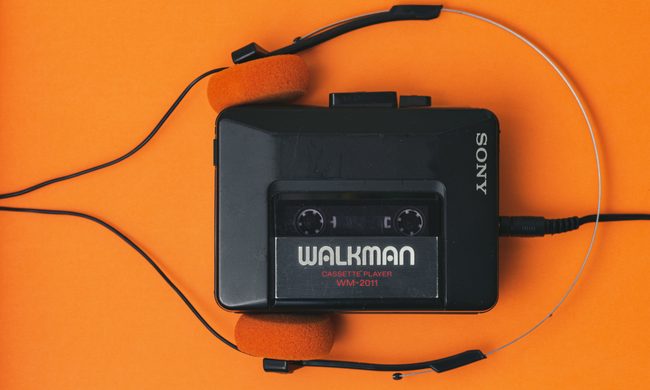
All of this makes it the perfect time for Sony to bring back the classic Walkman, which was a phenomenon during the 80s and 90s. I would love one. Give me a compact cassette player, physical buttons, and wired headphones. Keep the apps, notifications, and algorithms that shape your taste of music. No more AI assistants or personalzied feeds, just you and your Walkman. There is only one problem though. Recreating the Walkman that people love and remember, would be far harder than putting an old design back into production.
Proton reveals how smart TVs track you and the escape situation is pretty grim
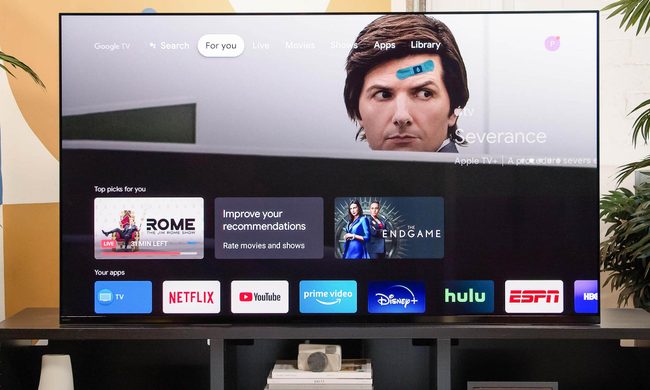
The worrying part is that escaping this tracking is becoming increasingly difficult because many privacy controls are buried deep in settings or enabled by default. Proton argues that buying a smart TV today often means accepting a level of surveillance that most people never knowingly signed up for.