
Though it has yet to be confirmed by either Samsung or LG, the two companies have reportedly signed a deal that will see LG Display provide OLED TV panels to Samsung Electronics, according to a report from Reuters. If accurate, the deal marks the end of a long period that saw Samsung Electronics and LG Electronics trading sometimes vicious barbs over the merits of Samsung’s quantum dot-infused QLED TVs versus LG’s organic light-emitting diode (OLED) TVs.
Citing sources with direct knowledge of the deal, Reuters said that LG Display will supply 2 million OLED panels in 2024 and boost shipments to 3 million and 5 million units in subsequent years. These panels will initially be 77- and 83-inch units, which suggests that Samsung is looking to bolster the higher end of its TV lineup.
Intriguingly, this is not the first time such a deal has been discussed — in 2021, Korean news outlets reported a very similar story. At the time, the speculation was that Samsung would buy one million panels from LG in 2021, and another four million panels in 2022. Both LG and Samsung denied that there was any truth to that report.
Early in 2022, Samsung confirmed rumors that it was going to start embracing OLED technology, but with a twist. It launched the first TVs based on QD-OLED panels built by its sister company, Samsung Display. QD-OLED uses quantum dots combined with OLED pixels to produce a picture that is, in theory, brighter and more color accurate than OLED alone.
The new technology proved very successful. Digital Trends’ Caleb Dension has given very high marks to both the Samsung S95B and Sony A95K, the two QD-OLED TVs we have reviewed so far. However, on a screen size basis, QD-OLED is still more expensive in most cases than OLED, which suggests that Samsung might start to reserve QD-OLED for its flagship models as it introduces standard OLED as a more affordable, yet still premium option.
This would let the company address the increased pressure from competitors like TCL. TCL just released its 2023 TV lineup, which includes the QM8 mini-LED flagship — a TV that uses the same backlight technology as Samsung’s best Neo QLED models, but at prices that substantially undercut what Samsung charges.
Going with OLED panels from LG Display would give Samsung’s TVs a picture quality advantage that would be harder for TCL and other makers to duplicate.
According to Reuters, the deal also helps LG Display, which has been struggling to get its OLED manufacturing running at full capacity.
Related Posts
Stop joining group projects with a blurry laptop webcam and buy one of these instead
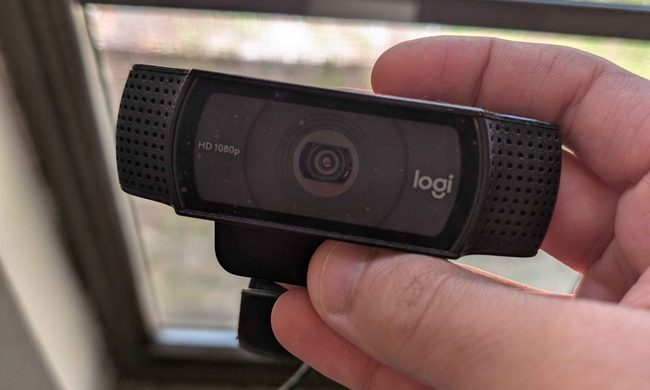
Laptop cameras also tend to sit far too low, especially when the computer is placed directly on a desk. Meanwhile, a dedicated webcam lets you position the camera closer to eye level. This improves the framing and brings larger sensors, better microphones, and more effective low-light processing.
I desperately want a new classic Walkman, but Sony probably can’t give me one

All of this makes it the perfect time for Sony to bring back the classic Walkman, which was a phenomenon during the 80s and 90s. I would love one. Give me a compact cassette player, physical buttons, and wired headphones. Keep the apps, notifications, and algorithms that shape your taste of music. No more AI assistants or personalzied feeds, just you and your Walkman. There is only one problem though. Recreating the Walkman that people love and remember, would be far harder than putting an old design back into production.
Proton reveals how smart TVs track you and the escape situation is pretty grim
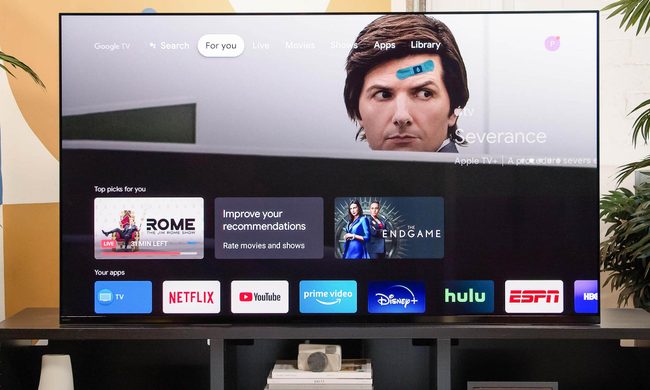
The worrying part is that escaping this tracking is becoming increasingly difficult because many privacy controls are buried deep in settings or enabled by default. Proton argues that buying a smart TV today often means accepting a level of surveillance that most people never knowingly signed up for.