
Samsung’s gargantuan modular microLED display, known as The Wall, just had a growth spurt.
After its success with The Wall Luxury – a 292-inch, bezel-free 8K display — Samsung announced that it is expanding its lineup of mega screens with The Wall for Business, with an 8K display topping out at a massive 583 inches.
The additions were unveiled at Integrated Systems Europe (ISE) 2020 in Amsterdam. While the 583-inch display will be Samsung’s flagship business model, the modular display will offer a series of different configurations, including 219-inch and 292-inch 4K versions, and a 437-inch 8K display.
With nearly 600 inches of screen to gape at, this new display appears to be Samsung’s response to Sony’s own massive microLED display, a 16K behemoth standing 17 feet tall by 63 feet wide that was announced at 2019’s National Association of Broadcasters trade show in Las Vegas.
Central to these giant displays is microLED display technology. The emissive display tech uses tiny LEDs that feature the ability for each pixel to light up independently without the need for a backlight, allowing more precise control over the contrast of the display itself and improved brightness levels. Powered by the microLED panels, these displays can rival the contrast levels of the other most famous emissive displays, OLED screens, which are widely regarded as the industry standard for the category.
However, due to constraints in manufacturing, OLED displays cannot get nearly as large as these modular displays, which use multiple panels in conjunction to achieve massive size. Simply put, these TVs are gargantuan. However, there is something of a catch with both Samsung and Sony’s larger-than-life displays. Both are commercial displays, meaning they’re available for business installations and environments rather than consumers. Not to mention the similarly sized price tags these giants will likely demand.
While the resolution is exciting and boundary-pushing, it’s also far from being the standard anytime soon. Sony’s 16K display is well ahead of its time, considering content available in 4K is still finding its way into the mainstream.
Even with 8K displays like Samsung’s, there’s a scarcity of content available to view on these screens. It will take time for the rest of the industry to catch up, of course, but these breathtakingly big displays seem to be pushing the envelope in terms of what’s possible in TV technology both in resolution and sheer screen real estate.
Related Posts
Stop joining group projects with a blurry laptop webcam and buy one of these instead
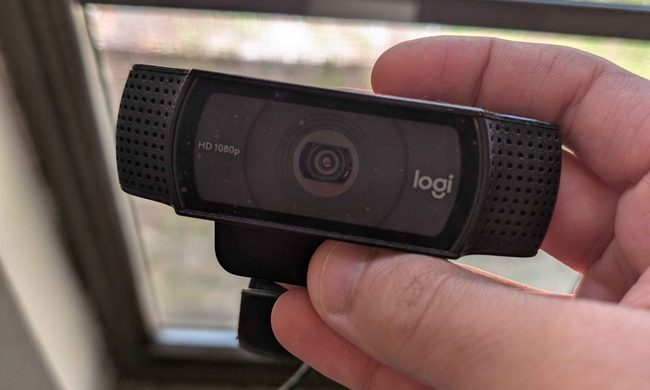
Laptop cameras also tend to sit far too low, especially when the computer is placed directly on a desk. Meanwhile, a dedicated webcam lets you position the camera closer to eye level. This improves the framing and brings larger sensors, better microphones, and more effective low-light processing.
I desperately want a new classic Walkman, but Sony probably can’t give me one
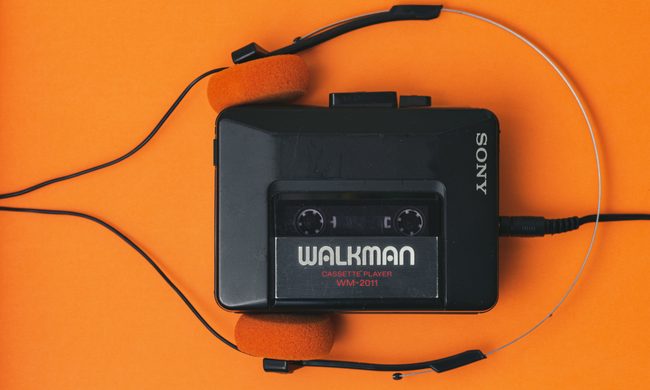
All of this makes it the perfect time for Sony to bring back the classic Walkman, which was a phenomenon during the 80s and 90s. I would love one. Give me a compact cassette player, physical buttons, and wired headphones. Keep the apps, notifications, and algorithms that shape your taste of music. No more AI assistants or personalzied feeds, just you and your Walkman. There is only one problem though. Recreating the Walkman that people love and remember, would be far harder than putting an old design back into production.
Proton reveals how smart TVs track you and the escape situation is pretty grim
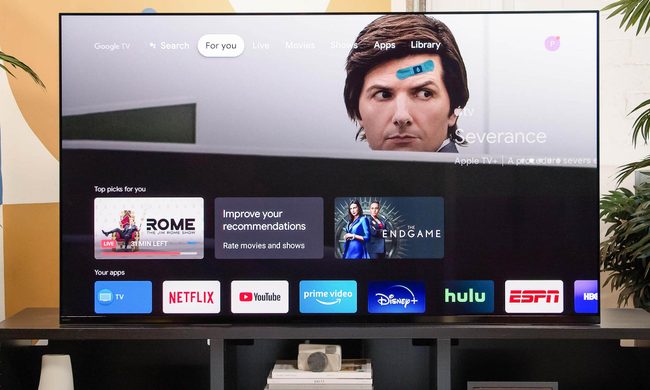
The worrying part is that escaping this tracking is becoming increasingly difficult because many privacy controls are buried deep in settings or enabled by default. Proton argues that buying a smart TV today often means accepting a level of surveillance that most people never knowingly signed up for.