
Ever since Sennheiser’s consumer audio division — the one that creates Sennheiser’s wired and wireless headphones and earbuds — was acquired by Swiss hearing aid giant Sonova, we’ve been expecting the company to produce its first set of over-the-counter (OTC) hearing aids. That day has come with the launch of two new Sennheiser models, the All-Day Clear ($1,400) and All Day Clear Slim ($1,500).
The two models will be available starting in mid-July at sennheiserhearing.com and via select retailers and hearing care professionals. As with most OTC hearing aids, you won’t need a visit to the audiologist to use the All-Day Clear. A free All-Day Clear App companion app for iOS and Android will walk you through the setup and configuration, letting you personalize the hearing aids to your needs. However, if you want the added security of consulting with a hearing specialist, Sennheiser offers an optional in-clinic care package.
Technically, these aren’t Sennheiser’s first hearing devices. The company launched the Conversation Clear Plus — a set of wireless earbuds with hearing enhancement — for $850 in early 2023. However, the company didn’t label that product as an OTC hearing aid.
As the name suggests, the All-Day Clear Slim are a bit smaller than the All-Day Clear, including the charging case. They also use an earbud-style in-ear portion, as opposed to the All-Day Clear which are designed like a standard hearing aid. The Slim also come with a dedicated carrying case.
Otherwise, the two models are the same. They both feature hearing technology powered by Sonova that focuses specifically on speech intelligibility. There’s also a feature called “intelligent scene detection,” which monitors your environment for dialogue optimization. Sennheiser claims they’ll last up to 16 hours on a single charge. That’s similar to the Bose-powered Lexie B2 hearing aids, which claim up to 18 hours.
The All-Day Clear can also be used for Bluetooth audio and phone calls from your smartphone, and the app’s built-in equalizer lets you adjust bass, mids, and treble frequencies in case the factory settings aren’t quite to your liking.
Since the Food and Drug Administration (FDA) announced new rules governing the availability of OTC hearing aids, major audio brands have been rushing to offer people new, more affordable alternatives to traditional hearing aids, which can cost thousands of dollars.
So far, we’ve seen new OTC products from Jabra, Sony, Lexie (Bose), and HP, and if JLab’s timing proves accurate, we’ll even see the first set of $99 OTC hearing aids arrive sometime between July and September of 2023.
Related Posts
I desperately want a new classic Walkman, but Sony probably can’t give me one
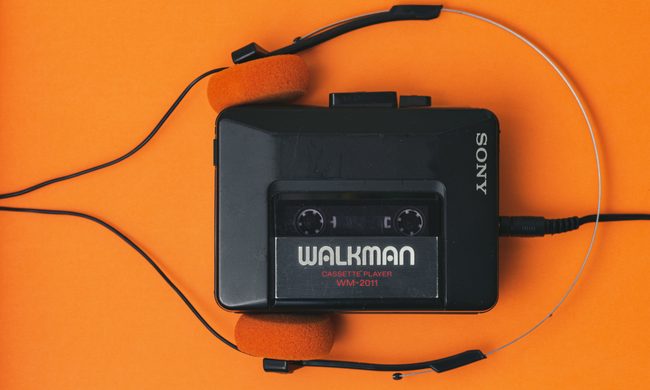
All of this makes it the perfect time for Sony to bring back the classic Walkman, which was a phenomenon during the 80s and 90s. I would love one. Give me a compact cassette player, physical buttons, and wired headphones. Keep the apps, notifications, and algorithms that shape your taste of music. No more AI assistants or personalzied feeds, just you and your Walkman. There is only one problem though. Recreating the Walkman that people love and remember, would be far harder than putting an old design back into production.
Proton reveals how smart TVs track you and the escape situation is pretty grim
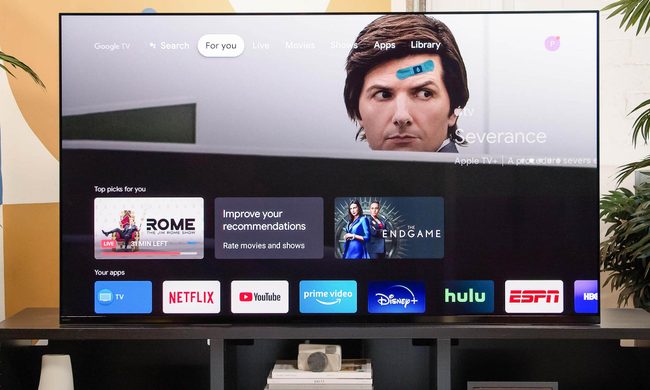
The worrying part is that escaping this tracking is becoming increasingly difficult because many privacy controls are buried deep in settings or enabled by default. Proton argues that buying a smart TV today often means accepting a level of surveillance that most people never knowingly signed up for.
LG is cracking down on smart TV apps that quietly turn your TV into a secret proxy
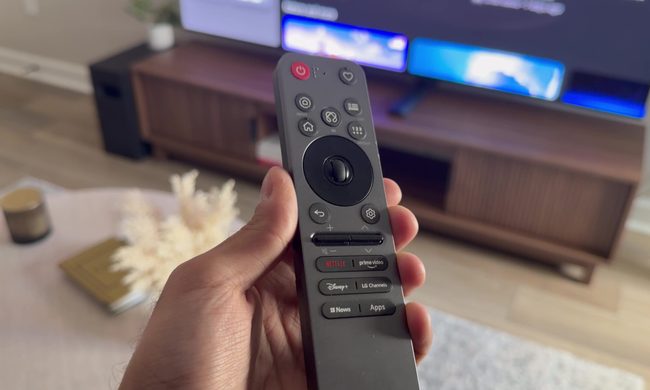
The move follows a report from security firm Spur, which found that more than 42 percent of apps on LG's webOS store include SDKs that quietly reroute internet traffic through your TV, indefinitely. Samsung isn't spared either, with over a quarter of Tizen apps carrying similar code.