
We can’t fault the Sony Master Series A9G. It’s the finest 4K TV we’ve had the pleasure of reviewing. However, it’s not all that different from the cheaper, (slightly) lower-end Sony A8G. But what are these differences — and most importantly, are they worth the additional $1,000-$1,300 Sony is asking for the flagship Sony A9G? Let’s find out.
First up, design. There isn’t a whole lot of difference between the Sony A9G and the Sony A8G in this regard. The latest model comes with a sleeker, slimmer stand that leaves almost no space between the bottom of the television and the surface it is resting on. The bezel surrounding the screen is also a bit thinner and the rear doesn’t protrude quite as much.
All in all, the space reductions are minor details that we wouldn’t even have mentioned if we weren’t in the business of painting as clear and accurate a picture as possible — with the stand being the biggest visual difference. Of course, this is something that’s bound to be controversial as the new design leaves virtually no space for a soundbar to rest beneath the screen when stand-mounted.
Also worth mentioning is the addition of an eARC HDMI slot on the Sony Master Series A9G (not to be confused with HDMI 2.1, which neither the A9G or A8G support). We have a full explainer detailing what eARC is and why it’s useful, so we won’t run into it now. In a nutshell, it’s HDMI ARC with the addition of original, full-resolution audio transmission through HDMI.
Plus, Sony has (marginally) improved its trademark Acoustic Surface tech on the Sony Master Series A9G. For those unaware, this eliminates bulky speakers on the front of the television by sending waves through the screen itself — creating a unique effect of voices and sound effects seemingly coming from their respective locations on the screen (left, right, or center).
The difference with the Sony Master Series A9G is that Acoustic Surface is twice as powerful — on paper, at least. Sony says that three of the four channels have been bumped up from 10W up to 20W. Although, this doesn’t translate to a much better viewing experience. The two televisions sound near-identical, save for the fact the A9G has a little bit more kick to it.
Let’s face it, though: If you’re splashing out north of $1,000 for a television, you’re going to be hooking it up to at least a soundbar, if not an entire surround sound setup — so the rumble Acoustic Surface makes will go unnoticed. Better yet, the Sony Master Series A9G can be used as a center channel speaker, via a terminal on the rear, whereas the Sony A8G cannot.
The Sony Master Series A9G and Sony Master Series A8G feature the same 4K Ultra HD OLED screen. However, the A9G is equipped with Sony’s leading Sony X1 Ultimate picture processor, versus the Sony X1 Extreme on the more affordable A8G. The main advantage here is that the top-of-the-line version is better at object-based processing, which results in better depth.
For Dolby Vision fans, the premier Sony A9G is armed with Dolby Vision Day and Dolby Vision Night picture modes. It has Netflix Calibrated Mode, too. By comparison, the Sony A8G is lacking all three of these picture presets. It does share IMAX Enhanced with the A9G, though. But this isn’t a big deal — play around with the picture settings yourself and you can create a more personal effect.
Finally, the Sony A9G comes bundled with a slightly more elegant remote control, which functions in the exact same way as the one bundled with the A8G, and souped-up hardware that delivers a smoother Android TV experience. Having said that, while a bit sluggish at times, Android TV is just as functional on the A8G — so don’t consider this reason alone to upgrade.
The bottom line is there just isn’t enough of a difference between the Sony Master Series A9G and the Sony A8G to warrant the $1,000 to $1,300 price hike, depending on the screen size you opt for. Sure, if money is no object and you’re insistent on having the best of the best, opt for the Sony A9G. For everyone else, the Sony A8G is definitely the way to go.
Related Posts
Stop joining group projects with a blurry laptop webcam and buy one of these instead
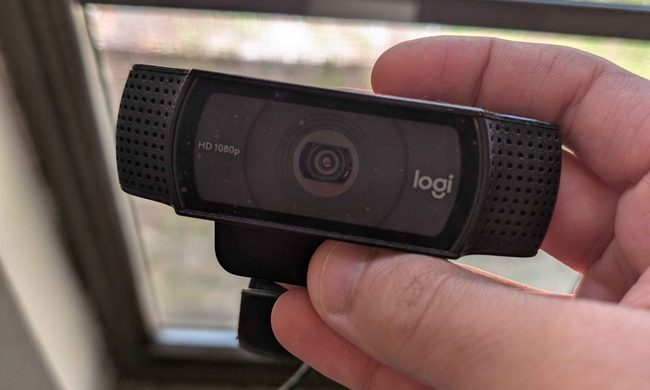
Laptop cameras also tend to sit far too low, especially when the computer is placed directly on a desk. Meanwhile, a dedicated webcam lets you position the camera closer to eye level. This improves the framing and brings larger sensors, better microphones, and more effective low-light processing.
I desperately want a new classic Walkman, but Sony probably can’t give me one
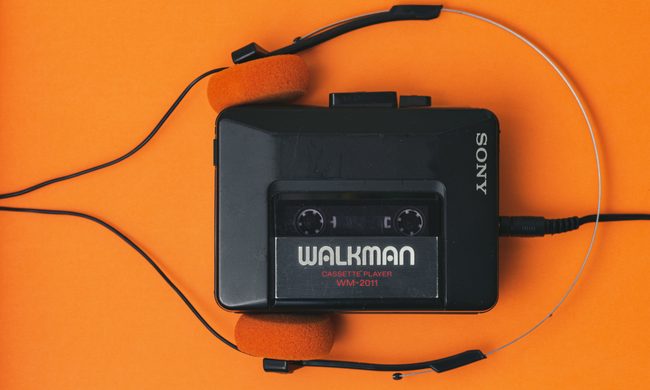
All of this makes it the perfect time for Sony to bring back the classic Walkman, which was a phenomenon during the 80s and 90s. I would love one. Give me a compact cassette player, physical buttons, and wired headphones. Keep the apps, notifications, and algorithms that shape your taste of music. No more AI assistants or personalzied feeds, just you and your Walkman. There is only one problem though. Recreating the Walkman that people love and remember, would be far harder than putting an old design back into production.
Proton reveals how smart TVs track you and the escape situation is pretty grim
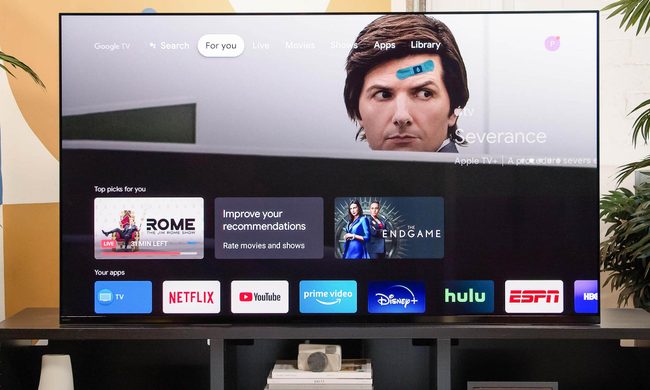
The worrying part is that escaping this tracking is becoming increasingly difficult because many privacy controls are buried deep in settings or enabled by default. Proton argues that buying a smart TV today often means accepting a level of surveillance that most people never knowingly signed up for.