
Xiaomi has unveiled what it claims is the world’s first mass-produced transparent TV, the 55-inch Mi TV LUX Transparent Edition. The screen itself is only 5.7mm thick, will cost 49,999 Yuan (approximately $7,200 in the United States), and goes on sale in China on August 16.
The idea of transparent TV might seem like it’s straight out of a sci-fi movie, but we’ve seen examples of transparent displays going back several years. What’s different this time is that Xiaomi’s Mi TV LUX Transparent Edition is the first transparent display to be sold as a generally available TV for the home.
To achieve transparency, the Mi TV LUX uses OLED technology. OLED TVs possess a number of advantages over their LED TV cousins, like astonishing thinness, deep black levels, and the ability to take on non-flat shapes for curved screens. But it is OLED’s ability to allow light to pass through it both directions that Xiaomi has taken advantage of to create the Mi TV LUX Transparent Edition.
Normally, OLED TVs aren’t transparent because they possess a rear reflective layer that is opaque, but the Mi TV LUX Transparent Edition uses a variation of OLED called Transparent OLED (TOLED), in which that rear layer is made from a transparent material.
Additionally, Xiaomi has taken all of the electronics and audio/video connections like speakers, HDMI ports, and antenna inputs — which normally sit in a thin cabinet behind the screen — and stowed them beneath the OLED panel in an integrated round stand.
The question we have is what sacrifices may have been made to picture quality in order to create the TV’s transparent look? Not to knock Xiaomi’s technical prowess, but LG has been the world leader in OLED technology for years and it has yet to offer a transparent display for home use.
Also, as other publications have pointed out, Xiaomi’s press pictures appear to show examples of blended images, where a part of the TV’s screen displays content (like the butterfly in the example above) while the rest of the screen remains transparent. Presumably content will need to created specifically to achieve this effect, but how do you go about creating the deep, inky black levels that have always been a hallmark of OLED TVs if light can pass through the screen from behind?
There’s no word yet on when or if the Mi TV LUX Transparent Edition will go on sale in the U.S., but hopefully, we’ll find out just how good of a TV it is before that happens.
Related Posts
Stop joining group projects with a blurry laptop webcam and buy one of these instead

Laptop cameras also tend to sit far too low, especially when the computer is placed directly on a desk. Meanwhile, a dedicated webcam lets you position the camera closer to eye level. This improves the framing and brings larger sensors, better microphones, and more effective low-light processing.
I desperately want a new classic Walkman, but Sony probably can’t give me one

All of this makes it the perfect time for Sony to bring back the classic Walkman, which was a phenomenon during the 80s and 90s. I would love one. Give me a compact cassette player, physical buttons, and wired headphones. Keep the apps, notifications, and algorithms that shape your taste of music. No more AI assistants or personalzied feeds, just you and your Walkman. There is only one problem though. Recreating the Walkman that people love and remember, would be far harder than putting an old design back into production.
Proton reveals how smart TVs track you and the escape situation is pretty grim
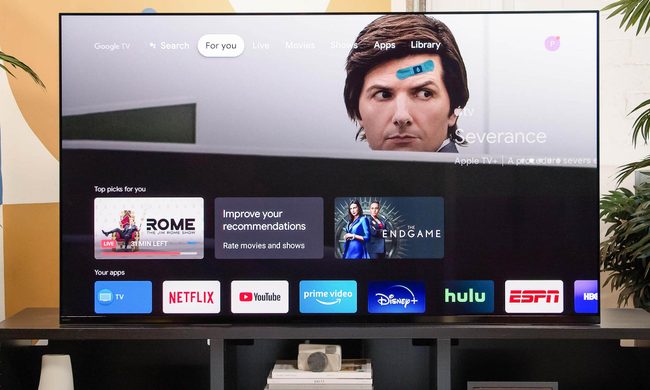
The worrying part is that escaping this tracking is becoming increasingly difficult because many privacy controls are buried deep in settings or enabled by default. Proton argues that buying a smart TV today often means accepting a level of surveillance that most people never knowingly signed up for.