
With a new chapter in the Lord of the Rings saga on the horizon, it’s as good a time as any to remember just how impactful Peter Jackson’s Lord of the Rings output has been. The New Zealand director dedicated well more than a decade to bringing this world to the screen, and he did so with remarkable success in the original trilogy. Although The Hobbit trilogy is less universally beloved, and with good reason, it’s important to acknowledge that there are still some moments of magic in that chapter of Jackson’s saga as well.
The best moments from Jackson’s work get at something elemental about what makes this story so powerful. There are speeches, battles, and everything in between, and while this list does tilt towards his original trilogy, The Hobbit gets a few nods as well.
Peter Jackson is often incredibly good at cross-cutting, and one of his best moments of parallel editing comes when Denethor tells Pippin to sing for him. The musical montage that follows shows Denethor eating a feast in truly horrific fashion as he sends his son off to what is likely to be his death.
It’s a moment that highlights Denethor’s cruelty both to his servants and to his children, and it’s also a truly sublime piece of filmmaking. Billy Boyd’s voice will give you chills, as will that moment when the juice from a tomato drizzles down Denethor’s chin.
It may seem cheap to say that one of the few moments from The Hobbit trilogy that really stacks up to its predecessor comes when Gollum shows up, but the riddles that pass between Gollum and Bilbo are undeniable. These riddles are evidence of the difference in tone between the two trilogies, but here, Gollum manages to be just as sinister as he was during his worst moments in the original trilogy. Bilbo’s ultimate decision to take the ring and run off is what sets the entire story into motion, but even if it was a less impactful meeting, the writing and performances would still make it worthy of inclusion.
The opening prologue of The Return of the King is almost like a self-contained horror film. We see Sméagol and his cousin, Déagol, fishing together on a small lake. When Déagol falls into the lake and discovers the ring, Sméagol is quickly ensnared by it and murders his cousin to take possession of it. Then, we’re treated to a horrific montage as Sméagol slowly transforms into the creature we know as Gollum. It’s a horrific preview of what’s in store for Frodo, as well as a reminder that Gollum was once not so different from a hobbit himself.
The first introduction of Smaug is not just a stunning piece of CGI, it’s also an indication of how central this talking dragon is to the story of The Hobbit. Much like Bilbo’s conversation with Gollum, his interaction with Smaug is defined in part by Bilbo’s ability to talk his way out of deeply frightening situations. The behind-the-scenes footage of Benedict Cumberbatch writhing around is pretty amusing, but it’s hard to deny the effect. Smaug is every bit as terrifying as he should be, even as he displays an intelligence that may surprise some viewers.
A moment that soars on the back of Howard Shore, who puts to music a thrilling montage showing a series of men light beacons to signal that Gondor has called on Rohan for aid shouldn’t be nearly as thrilling as it winds up being. On top of the score, what makes this moment work is the sheer scope of it, as we see beacon after beacon alight, and are reminded that the world of men truly can band together if the egos of kings can be overcome. It also gives us a chance to appreciate the beautiful landscapes of New Zealand, which stand in for Middle-earth throughout the trilogy.
Aragorn assembles an army of elves and men with the intent of distracting Sauron so that Frodo and Sam can destroy the ring. It’s a final battle designed as a heroic sacrifice. Our new king’s forces are wildly outnumbered, but he marches into battle anyway. Before he does so, though, he gives one of the more rousing speeches in the entire canon, affirming his belief that the end of men will come, but not today. It’s inspirational and moving, and he closes it in almost a whisper, looking at the people he’s shared this journey with and saying: “for Frodo.”
Perhaps the greatest battle sequence ever put to film, Jackson stages the Battle of Helm’s Deep with such remarkable clarity that every beat of it seems totally logical. There’s plenty of humor to break up the pacing, including Gimli’s decision to allow Aragorn to toss him into an army of Uruk-hai. Ultimately, what makes Helm’s Deep so impressive though is the sheer scale of it, and the genuine feeling you have roughly two-thirds of the way through that all hope is lost. When Gandalf shows up, no one will blame you for standing up and cheering.
Gandalf’s death near the end of Fellowship is the first indication for the hobbits that their adventure is going to exact a real cost. The moment works so well because it is both epic and utterly sorrowful. Gandalf gets to utter a few instantly remembered lines in this sequence, but everything about it holds up well, including the more-than-20-year-old CGI. Fellowship is the movie in the trilogy that is the lightest on the action, but when the fighting does break out, it’s some of the best in Peter Jackson’s entire oeuvre.
Andy Serkis’s performance as Gollum/Sméagol is one of the great wonders of Jackson’s entire run, and Serkis’s skills are never more apparent than when Gollum and Sméagol argue with one another in Two Towers. Through simple editing and angling, we get to see a real conversation play out between the two personalities warring within Gollum, and come to understand how this poor, tortured creature thinks. Sméagol may win this argument, but we know that Gollum will not be gone for long, even though Sméagol tells him to “leave now, and never come back.”
Frodo has the hardest job in Lord of the Rings, but Samwise Gamgee is the heart of the entire story. In a single speech near the end of Two Towers, Sam sums up the entire project of Tolkien’s work, describing the better world that he and Frodo left home to fight for. Sam talks about how, in the darkness, it can feel like there’s nothing else to see. Ultimately, though, darkness passes, and the sun shines all the clearer for having disappeared. He urges Frodo to hold onto hope, and we all weep. “There’s some good in this world, Mr. Frodo,” Sam says. “And it’s worth fighting for.”
Related Posts
3 underrated Apple TV shows you should watch this weekend (July 24-26)
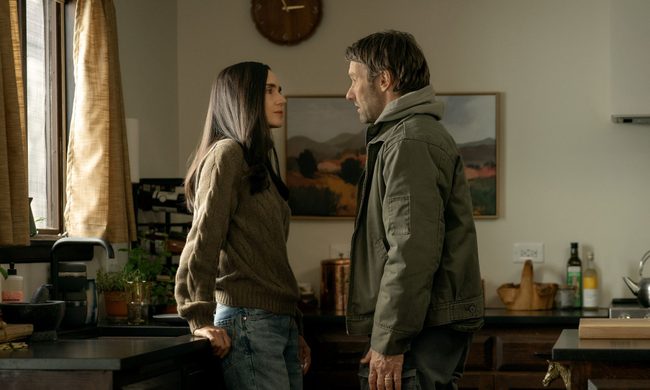
We also have guides to the best new movies to stream, the best movies on Netflix, the best movies on Hulu, the best free movies, and the best movies on Amazon Prime Video.
3 underrated movies on Apple TV you should watch this weekend (July 24-26)
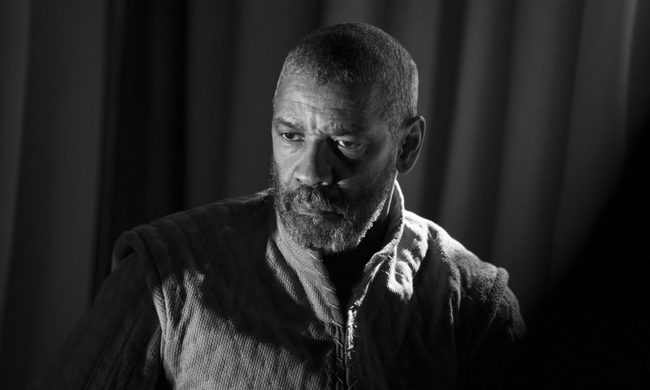
We also have guides to the best new movies to stream, the best movies on Netflix, the best movies on Hulu, the best free movies, and the best movies on Amazon Prime Video.
Amazon is redesigning Prime Video with more AI, but will it fix what frustrates viewers?
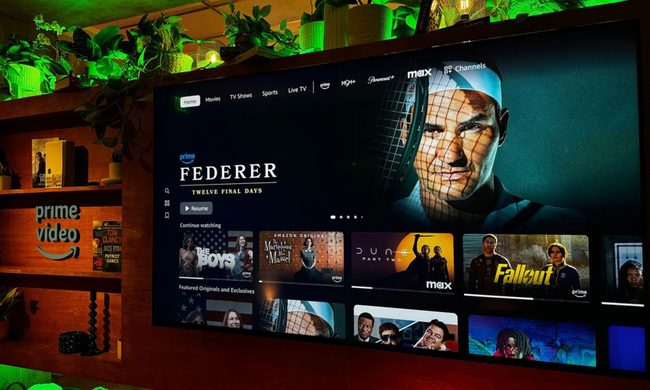
Bezos reportedly directed Prime Video head Mike Hopkins to overhaul the streaming service so AI sits front and center, according to Reuters. The project carries an internal codename, Lighthouse, and it's already reshaping how the app might work.