Your Spotify subscription might soon cost more
|
By
Moinak Pal Published November 26, 2025 |

Bad news if you pay for your music: Spotify is reportedly planning to raise subscription prices in the U.S. early next year.
According to insiders quoted in the Financial Times report, the streaming giant is aiming to bump up fees in the first quarter of 2026. This would be the first time it’s raised prices for U.S. subscribers since July 2024. The move follows similar hikes it’s already rolled out in other countries like the UK, Switzerland, and Australia, and it seems to be part of a bigger plan to show investors that the company can make serious, long-term profit. Spotify hasn’t officially commented, but the writing seems to be on the wall.
Spotify moves toward profitability with planned price hike in the U.S.
So, here is the deal: people familiar with the plan reportedly spilled the beans that Spotify is gearing up to charge more in its biggest market, the U.S.
Why now? In short: money. Analysts have been expecting this for a while because it’s a quick way to boost the bottom line. Spotify’s stock has actually been doing great this year (up more than 30%), and Wall Street thinks raising prices in the U.S. is the key to keeping that momentum going.
To put it in perspective, analysts at JP Morgan estimate that if Spotify adds just $1 to your monthly bill, it could rake in an extra $500 million a year. That is a lot of cash.
But it’s not just investors asking for this. The big record labels have also been pressuring Spotify (and Apple Music) to charge more. Their argument is that while everything else in the world has gotten way more expensive due to inflation, music subscriptions are still comparatively cheap, especially next to video services like Netflix.
Right now, a U.S. Spotify subscription is $11.99. Amazingly, that’s only $2 more than it cost when the service launched here 14 years ago.
What rising subscription costs mean for users
For those of us in the U.S., this means our monthly bill is likely going up again. And let’s be honest, we’re all feeling a bit of “subscription fatigue” right now, juggling payments for music, TV, movies, and everything else.
This also signals a change in how the music business works. For a decade, growth was easy—just get more people to sign up. But now that growth is slowing down (global revenue increases actually halved last year), streaming platforms have to rely more on price hikes to make their numbers look good.
There is also a changing of the guard at the top. CEO Daniel Ek is stepping down early next year to become executive chair, handing the keys to new co-CEOs Alex Norström and Gustav Söderström. Norström recently hinted at this, saying the company would act “when the time is right for each specific market.” It looks like for the U.S., that time is now.
If this goes through in 2026, it marks a new era for Spotify—one where it’s less focused on just getting everyone to listen, and more focused on making sure it’s a stable, profitable business.
Related Posts
3 underrated Apple TV shows you should watch this weekend (July 24-26)

We also have guides to the best new movies to stream, the best movies on Netflix, the best movies on Hulu, the best free movies, and the best movies on Amazon Prime Video.
3 underrated movies on Apple TV you should watch this weekend (July 24-26)

We also have guides to the best new movies to stream, the best movies on Netflix, the best movies on Hulu, the best free movies, and the best movies on Amazon Prime Video.
Amazon is redesigning Prime Video with more AI, but will it fix what frustrates viewers?
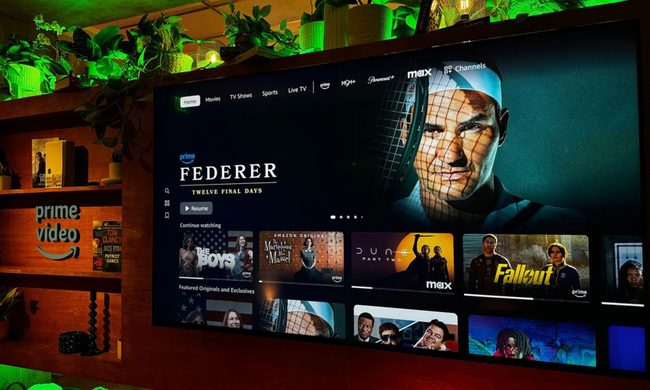
Bezos reportedly directed Prime Video head Mike Hopkins to overhaul the streaming service so AI sits front and center, according to Reuters. The project carries an internal codename, Lighthouse, and it's already reshaping how the app might work.