Android 17 could turn Gemini into your personal app butler
|
By
Paulo Vargas Published February 26, 2026 |

Google just gave us a real glimpse of how Android 17 might change the way you use your phone. New developer tools announced Tuesday let AI agents like Gemini dive directly into your installed apps to find photos, manage calendars, or book a multi-stop rideshare while you do something else.
The idea is simple. Instead of opening apps one by one, you tell an AI what you need. Google calls this the “agentic future,” and it’s landing in pieces starting now on the Galaxy S26 series and select Pixel 10 devices. A long press of the power button on those phones lets you hand off complex tasks to Gemini. The AI works across food delivery, grocery, and rideshare apps in the US and Korea to start.
Google is building this on two tracks. The first is AppFunctions, a framework that lets developers expose specific app features directly to AI. The Samsung Gallery integration on the Galaxy S26 shows how it works. You ask Gemini to “show me pictures of my cat from Samsung Gallery.” The AI finds and displays them. You never open the gallery app. It already works for calendar, notes, and tasks on devices from multiple manufacturers.
The second track is broader. For apps without dedicated integrations, Google is testing a UI automation framework. It lets Gemini execute generic tasks. The beta launches on the same devices, supporting a curated set of apps in food delivery, grocery, and rideshare categories. The AI handles the multi-step work using your existing app context.
Letting an AI loose inside your apps sounds like a privacy risk. Google says it designed these features with privacy and security as the foundation. When Gemini runs a task through UI automation, you can watch its progress via notifications or a live view. If something looks wrong, you jump in and take over manually.
Sensitive actions get extra guardrails. Gemini alerts you before completing things like a purchase. The actual work happens on your device, not a remote server. Google frames this as user control baked into the experience. The goal is to make automation feel helpful, not creepy.
This is still early. Google is starting with a small set of developers to iron out the experience. The UI automation preview is limited to specific devices and app categories in just two countries. But the roadmap points to Android 17 as the moment these capabilities broaden to more users, developers, and device makers.
For now, if you have a Galaxy S26 or a select Pixel 10, you can try the beta when it launches. For everyone else, the takeaway is simple. Your phone is about to get smarter about handling tedious stuff. The shift from opening apps to telling AI what you need is coming. Android 17 later this year will likely be when it starts to feel normal.
Related Posts
The Minimal Phone 2 looks dramatically better than the original, and I’m genuinely here for it
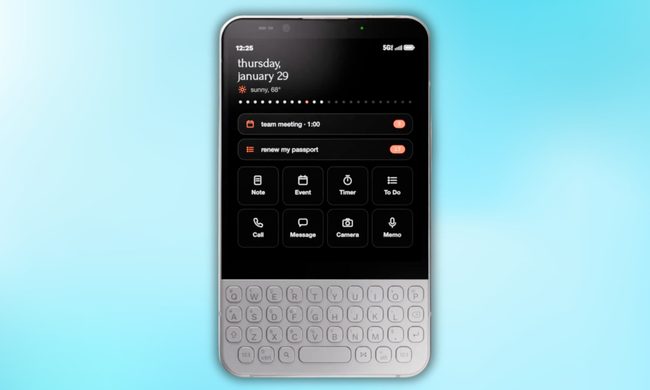
Now, founder Armen Youssefian has posted what appears to be a 360-degree render of the Minimal Phone 2 on X, and from what I can see, the team has done its homework.
The EU says TikTok still isn’t doing enough to protect kids
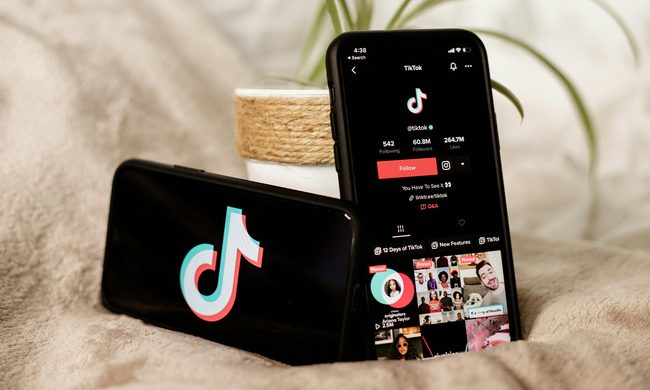
Why the EU thinks TikTok isn't doing enough
Qualcomm is set to ratchet up chip prices in September, and your next gadget upgrade could bear the brunt
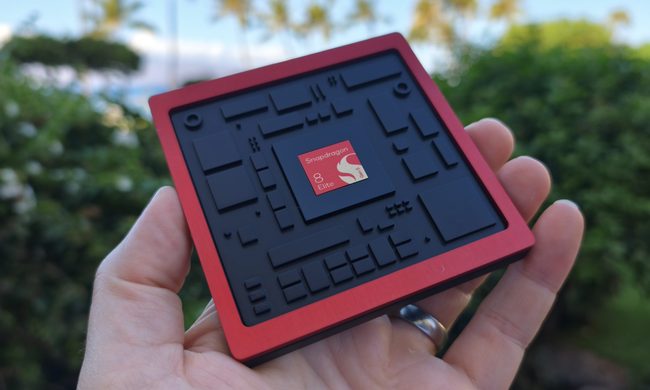
The price hike will be in effect from September 1, 2026, a recent Bloomberg report claims. Essentially, all the companies placing their chip orders after that will pay a higher price.