Tim Cook says Apple price hikes are unavoidable as AI drives memory costs higher
|
By
Sudhanshu Kumar Mangalam Published June 17, 2026 |

The rising cost of RAM and storage has become a growing problem for the tech industry. Apple has largely kept those increases from affecting customers, but according to a recent Wall Street Journal report, that may be about to change.
Speaking to the publication, Apple CEO Tim Cook said price increases are now “unavoidable” as the cost of DRAM memory and NAND storage continues to climb. The surge is being driven largely by the AI boom, as cloud providers and AI companies compete for the same chips used in consumer devices. Apple has largely shielded customers from those increases so far, but Cook indicated that strategy has reached its limits.
Apple’s ability to avoid major price hikes has not happened by accident. The company entered 2026 with inventory secured before memory prices accelerated and used its scale to negotiate supply agreements that many competitors could not match. Earlier this year, Apple also relied on product configuration changes, such as removing lower-capacity options from some Macs, instead of directly raising sticker prices.
The challenge is becoming harder as Apple prepares a new generation of AI-focused products. Following WWDC, the company is already testing its next-generation Siri experience and broader Apple Intelligence upgrades. Those features place greater demands on memory, which helps explain why some of Apple’s most advanced Siri capabilities are currently limited to devices with higher RAM configurations.
Apple is also expected to launch new Macs and its long-rumored foldable iPhone later this year, both of which could require larger memory allocations to support increasingly capable on-device AI features. Reports have already suggested that the iPhone 18 Pro could start at around $1,399 this fall, a $300 increase over its predecessor.
Cook told the Wall Street Journal that Apple is willing to use its financial resources to help secure memory supply, but he ruled out building Apple-owned memory or storage manufacturing facilities. “We can’t do everything. We know what we’re good at,” Cook said. Despite Apple’s influence over suppliers, that leaves the company exposed to the same market forces affecting the rest of the industry.
With memory suppliers increasingly prioritizing AI infrastructure customers and analysts warning that shortages could persist into 2027, Apple’s long streak of absorbing those costs may finally be coming to an end.
Related Posts
The Minimal Phone 2 looks dramatically better than the original, and I’m genuinely here for it
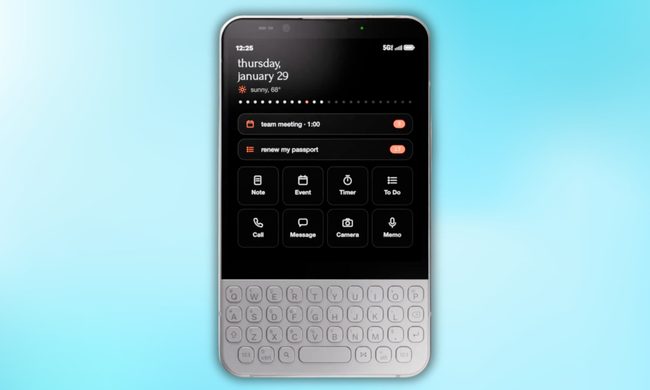
Now, founder Armen Youssefian has posted what appears to be a 360-degree render of the Minimal Phone 2 on X, and from what I can see, the team has done its homework.
The EU says TikTok still isn’t doing enough to protect kids
Why the EU thinks TikTok isn't doing enough
Qualcomm is set to ratchet up chip prices in September, and your next gadget upgrade could bear the brunt
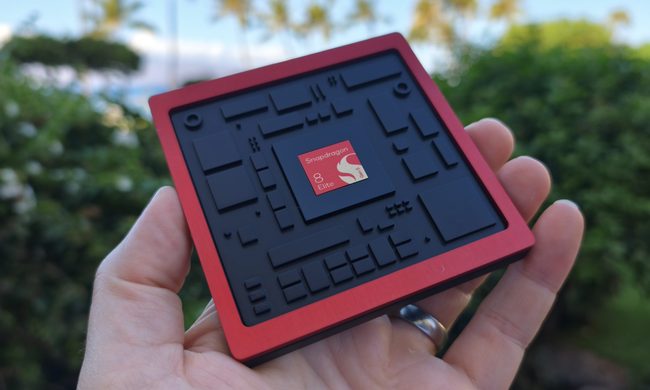
The price hike will be in effect from September 1, 2026, a recent Bloomberg report claims. Essentially, all the companies placing their chip orders after that will pay a higher price.