Apple is working on its own Grammarly-inspired keyboard
|
By
Moinak Pal Published March 31, 2026 |

Apple, in its infinite wisdom and very measured pace, has finally decided to tackle one of humanity’s greatest problems: our inability to write decent sentences on iPhones.
Yes, according to recent reports, the company is working on a Grammarly-style, AI-powered keyboard that will offer real-time suggestions for grammar, tone, and clarity. In simpler terms, your iPhone is about to become that one friend who politely rewrites your texts so you don’t sound unhinged at 2 AM.
And honestly? About time.
Let’s not pretend this is groundbreaking. Grammarly has existed for years. Google has been stuffing AI into everything short of your toaster. And OpenAI turned writing assistance into a cultural phenomenon.
Meanwhile, Apple has been… refining. Polishing. Thinking.
So this move feels less like innovation and more like Apple finally saying, “Fine, we’ll do it too – but we’ll make it ours.”
The difference, of course, is integration. Apple doesn’t win by being first. It wins by embedding features so deeply into the system that you forget life without them ever existed. And putting AI directly into the keyboard – the one place every user interacts with daily – is exactly that kind of move.
Because let’s face it: nobody wants to open an app to fix a sentence. We barely want to fix it at all.
What makes this more interesting is how it ties into Apple’s bigger AI ambitions – particularly Siri, the assistant that has spent the last decade being… politely useless.
The upgraded Siri is rumored to handle multiple commands at once. So instead of asking three separate things like a Victorian child, you can finally say:“Set a reminder, text my boss, and check the weather,”and expect it to just work.
Combine that with a keyboard that fixes your tone before you accidentally sound passive-aggressive, and Apple might finally have something resembling a coherent AI experience. That’s the key here – not flashy features, but everyday usefulness.
Apple’s strategy is becoming painfully obvious: don’t build standalone AI tools—own the entire flow of how you think, write, and communicate. With features like Writing Tools, AI rewriting, summarization, and now a smart keyboard, Apple is quietly turning iOS into a productivity layer that works behind the scenes. You type, it improves. You ask, it executes. You think less, it does more.
Convenient? Absolutely.
Slightly unsettling? Also yes.
Because the more your device “helps,” the more it subtly shapes how you communicate. Today it’s fixing grammar. Tomorrow it’s suggesting what you should say. And let’s be honest – some of you probably need that.
Here’s the uncomfortable truth: this is exactly the kind of AI that will stick. Not AI that writes essays you didn’t ask for. Not AI that generates art you didn’t need. But AI that quietly makes your emails sharper, your texts less embarrassing, and your notes more coherent.
That’s the real battleground. Not creativity. Not intelligence. Convenience.
If Apple gets this right, it won’t just compete with Grammarly – it will make Grammarly irrelevant on iOS.
And if Apple follows its usual playbook, this won’t be the final form – it’ll be version one of something much bigger. Expect deeper personalization. Smarter context. Maybe even a keyboard that knows what you’re about to say before you do. Because if Apple has its way, the future of writing isn’t just assisted.
It’s quietly co-authored.
Related Posts
The Minimal Phone 2 looks dramatically better than the original, and I’m genuinely here for it
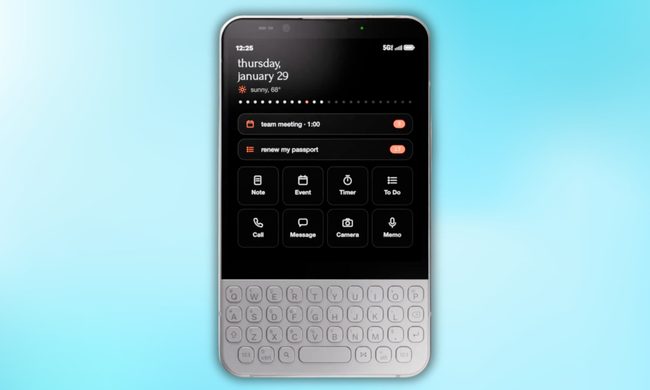
Now, founder Armen Youssefian has posted what appears to be a 360-degree render of the Minimal Phone 2 on X, and from what I can see, the team has done its homework.
The EU says TikTok still isn’t doing enough to protect kids
Why the EU thinks TikTok isn't doing enough
Qualcomm is set to ratchet up chip prices in September, and your next gadget upgrade could bear the brunt
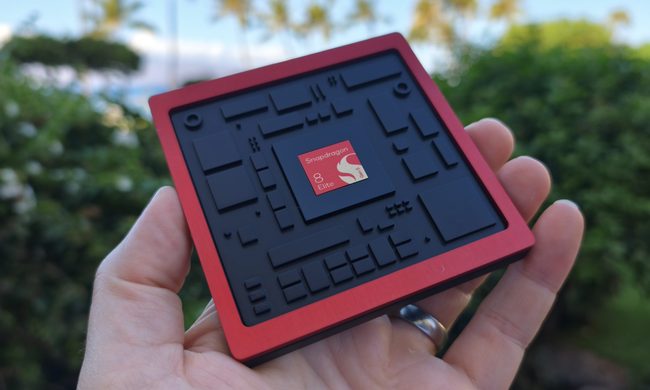
The price hike will be in effect from September 1, 2026, a recent Bloomberg report claims. Essentially, all the companies placing their chip orders after that will pay a higher price.