
Apple has announced that its iPhone SE will use aluminum that has been smelted with zero greenhouse gas emissions.
Canadian manufacturing partner Elysis has been able to crank out aluminum ingots at a commercial scale and purity while only producing oxygen emissions. Since Quebec is flush with hydroelectric power, the energy used in the process is renewable too. Apple first used this aluminum with its 16-inch 2019 MacBook Pro. Research into the smelting technology was made possible by Apple’s Green Bonds. These bonds have been able to funnel investment into eco-friendly projects since 2016.
The fund is a whopping $4.7 billion, so lots of other projects are on the way. The 50 currently on the books from the 2019 fund are expected to offset 2.9 million tons of CO2. One of these projects will be building wind turbines in Denmark. These will in turn power a local Apple data center. Apple boasts that with the help of its Green Bonds, more than 175 manufacturing partners across 24 countries have pledged to only use renewable energy when making Apple products. With any luck, this will help it claim carbon neutrality along its entire production line by 2030.
Apple has been using recycled aluminum in its products since at least 2015, and claims that since then it has reduced its carbon emissions from aluminum production by almost 70%. That’s great, but recycling aluminum is low-hanging fruit. Much of commercial aluminum is already recycled since mining bauxite ore is expensive and our recycling infrastructure for aluminum is well-established.
E-waste is a much tougher problem to solve. To that end, we’re eager to see how Apple’s upcoming self-repair program pans out and expands. The longer we can keep using our devices, the longer we can keep them out of landfills.
Related Posts
The Minimal Phone 2 looks dramatically better than the original, and I’m genuinely here for it

Now, founder Armen Youssefian has posted what appears to be a 360-degree render of the Minimal Phone 2 on X, and from what I can see, the team has done its homework.
The EU says TikTok still isn’t doing enough to protect kids
Why the EU thinks TikTok isn't doing enough
Qualcomm is set to ratchet up chip prices in September, and your next gadget upgrade could bear the brunt
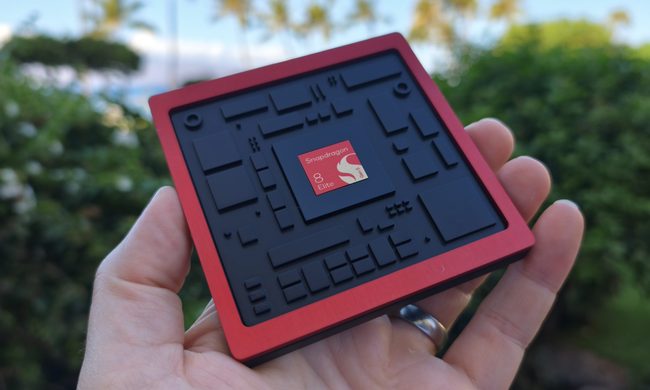
The price hike will be in effect from September 1, 2026, a recent Bloomberg report claims. Essentially, all the companies placing their chip orders after that will pay a higher price.