March Pixel Drop and Android updates bring long-awaited features to your phone
|
By
Varun Mirchandani Published March 3, 2026 |

Google is rolling out its March 2026 Pixel Drop, and this one leans heavily into practical AI. Rather than flashy overhauls, the update sharpens tools Pixel users already rely on, while broader Android updates improve how devices connect and solve everyday problems.
As usual, the Pixel Drop targets supported Pixel phones first, but several features extend across the wider Android ecosystem. The theme this time is clear: less novelty, more context-aware help.
One of the biggest refinements comes to Circle to Search. The feature, which lets users circle text or objects on-screen to look them up instantly, now surfaces richer results and contextual shortcuts. That means quicker access to things like contact info, summaries, and actionable links without jumping between apps. It’s a small shift in mechanics, but a meaningful one in speed.
Google is also expanding Gemini’s capabilities on Pixel devices. Magic Cue, the contextual suggestion layer powered by Gemini, now steps in with more relevant prompts, especially around travel and food discovery. For example, users can ask Gemini for restaurant recommendations directly from what’s on their screen, pulling in reviews, directions, and booking options without breaking flow. It’s designed to feel less like launching a chatbot and more like having assistance layered into whatever app is already open.
Beyond phones, the March Pixel Drop also brings meaningful updates for Wear OS devices. Pixel Watch owners get a suite of quality-of-life features, including faster unlocks when paired with a phone, express tap payments without launching the Wallet app, and left-behind phone reminders that help prevent accidental separation. There are also new safety feature updates, including a real-time notification of nearby earthquakes, as well as expansion of the Satellite SOS to more users in Europe, Canada, Hawaii and Alaska.
The March rollout isn’t just about Pixels, though. Across the wider Android ecosystem, Google is making everyday tools more connected and practical. Google Messages now supports real-time location sharing powered by Find Hub, letting users view each other on a live map directly inside a chat. Find Hub also adds lost luggage sharing with participating airlines, allowing users to generate a secure tracking link to help recover bags faster.
On the discovery side, Google Play is rolling out Play Shorts, a short-form video feed that previews apps before download. Android Auto gains a teacher-approved games category for kid-friendly content, while the Phone app now supports customizable calling cards with personalized photos and fonts. Gboard’s Emoji Kitchen is also expanding with new sticker combos, adding more expressive ways to message.
Related Posts
The Minimal Phone 2 looks dramatically better than the original, and I’m genuinely here for it
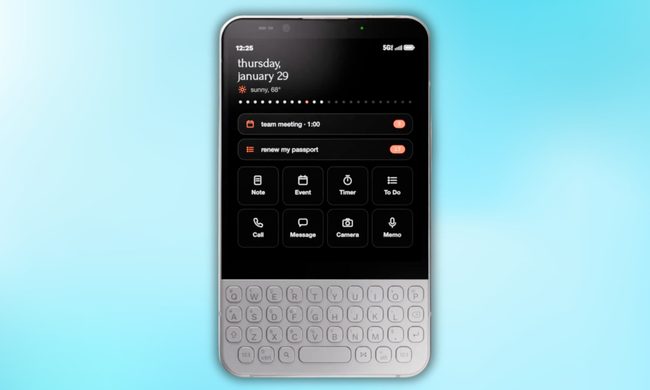
Now, founder Armen Youssefian has posted what appears to be a 360-degree render of the Minimal Phone 2 on X, and from what I can see, the team has done its homework.
The EU says TikTok still isn’t doing enough to protect kids
Why the EU thinks TikTok isn't doing enough
Qualcomm is set to ratchet up chip prices in September, and your next gadget upgrade could bear the brunt
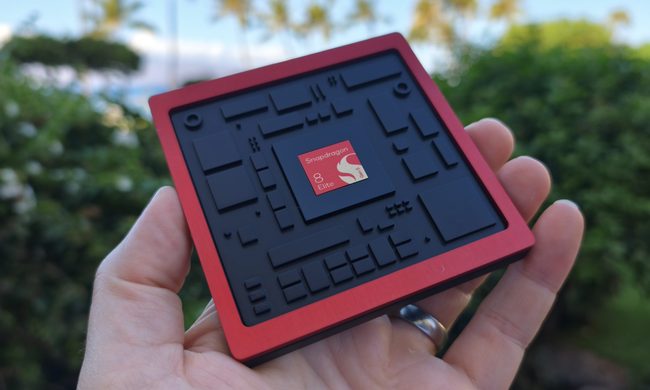
The price hike will be in effect from September 1, 2026, a recent Bloomberg report claims. Essentially, all the companies placing their chip orders after that will pay a higher price.