
At its CES 2022 conference, Qualcomm made a ton of announcements. The company is partnering with Microsoft to make chips for smart glasses during the same year that Apple’s own headset is rumored to hit the market. Qualcomm also showed off its solutions for next-gen vehicles that will take in-car infotainment to the next level. Imagine streaming 4K movies or playing a PC game on a giant screen in your electric car while on the move? Those are just some of the possibilities currently in the pipeline. But it was Qualcomm’s confidence around the potential of 5G, especially its faster mmWave version, that really stood out.
Taking to the stage, Qualcomm CEO Cristiano Amon made a self-admittedly bold statement that 5G, including mmWave, is a universal last-mile technology that will go beyond just connecting phones, PCs, extended reality wearables, gaming hardware, and smart IoT devices. Amon shared the example of a small business operating in a confined space. Deploying mmWave 5G in such a workspace ensures all devices have access to blazing-fast 5G speeds, can take advantage of cloud computing, and can stream content for virtual collaboration as well as entertainment. More importantly, all the aforementioned benefits can be carried over to the home as well.
The Qualcomm chief added that he envisions a world where 5G exists alongside Wi-Fi as a direct broadband access medium. And one of the company’s first partners in achieving that goal is AT&T, as the two are working on something the carrier calls Wireless Fiber. “All around … at home, work, and on the go, customer demand for connectivity is accelerating. To stay ahead of it, we’re focused on 5G as a core technology for both backhaul and direct broadband access connecting homes and businesses,” AT&T Communications CEO Jeff McElfresh was quoted as saying.
Qualcomm’s faith in 5G does make a lot of sense, especially considering the diverse areas it is now catering to. And 5G, particularly in its mmWave band, opens the doors for high-resolution content streaming and cloud-based gaming facilitated by the likes of Google Stadia, Xbox Cloud Gaming, and Nvidia GeForce Now. Always-on connected PCs with Qualcomm’s silicon and 5G hardware no longer look like vaporware, and thanks to its strengthening ties with Microsoft, 2022 actually looks more hopeful than ever for ARM PCs.
The metaverse, with all its potential immersive internet experiences facilitated by AR and VR devices, will need an enabler like 5G to create those virtual worlds that Meta CEO Mark Zuckerberg has so boldly promised. And then there is the future of connected automobiles, which will certainly tap into the potential of fast cellular connectivity to provide luxuries like a high-resolution, in-cabin multimedia experience. Qualcomm has a deeply vested interest in all the aforementioned areas, more so in 2022 than ever, and 5G appears to be a core recurring theme in each domain.
Related Posts
The Minimal Phone 2 looks dramatically better than the original, and I’m genuinely here for it
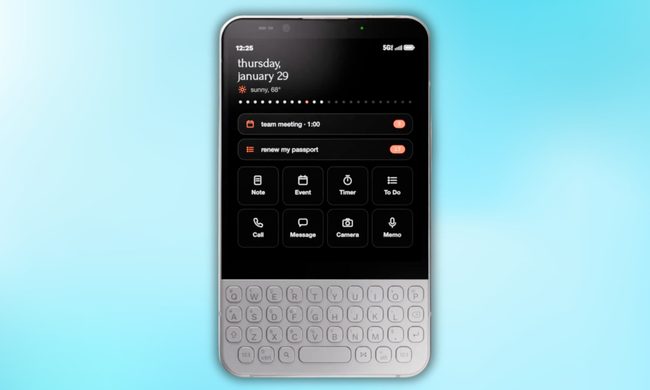
Now, founder Armen Youssefian has posted what appears to be a 360-degree render of the Minimal Phone 2 on X, and from what I can see, the team has done its homework.
The EU says TikTok still isn’t doing enough to protect kids
Why the EU thinks TikTok isn't doing enough
Qualcomm is set to ratchet up chip prices in September, and your next gadget upgrade could bear the brunt
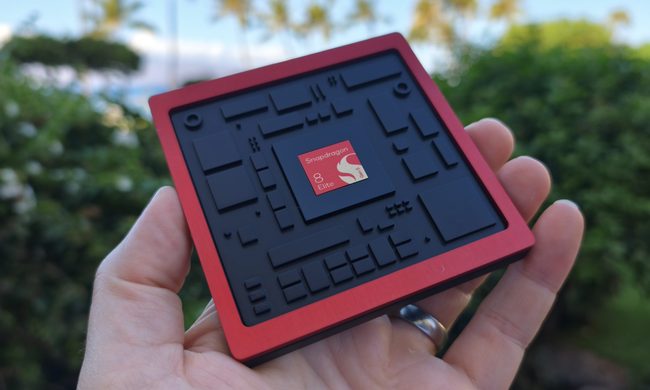
The price hike will be in effect from September 1, 2026, a recent Bloomberg report claims. Essentially, all the companies placing their chip orders after that will pay a higher price.