Why do health apps fail? Research bursts the hype with clear evidence
|
By
Nadeem Sarwar Published February 12, 2025 |

Earlier today, Apple announced plans for its next health study that aims to connect information collected by wearables with all major types of wellness markers. The idea is to build atop the massive corpus of data provided by users and develop new digital health tools, covering both sensor and software-based solutions.
But are we relying too much on these digital health tools, despite not getting any meaningful benefits? Experts at the Technical University of Munich have just published their findings in a research paper, and it says the positive impact of telemedicine and exercise apps is minimal for at-risk people.
As part of their study, which was conducted across 11 sites in Germany, the team focused on people living with type 2 diabetes and coronary heart disease. These are both serious health conditions, but with appropriate lifestyle changes, exercise, and diet, the risk factors can be contained to a healthy extent.
But when it comes to making an impact, digital interventions such as apps, failed them. Around a quarter of the participants never started training as per the prescribed regimen, which they were supposed to follow via apps. Nearly half of the participants failed the meet the exercise goals even once per week.
“The current hype surrounding medical apps needs to be put into perspective,” explains Martin Halle, Professor of Preventive Sports Medicine and Sports Cardiology at the German institute.
As per the National Heart, Lung, and Blood Institute, coronary heart disease (CHD) was responsible for roughly 0.3 million deaths in 2022 in the United States. The US Centers for Disease Control and Prevention (CDC) says it is the most common type of heart disease, which means the stakes are as high as it gets.
Type 2 diabetes, on the other hand, is prevalent in middle-aged and older folks. Notably, obesity and sedentary behavior are two of the main causative agents for this condition. Moreover, it has been known to worsen heart-related problems.
As per the CDC, which runs the National Diabetes Prevention Program, lifestyle changes can reduce the incidence of type 2 diabetes by a 71% margin. This can be achieved through a mix of workouts and calorie intake reduction, both of which can get a push from apps.
So, why did the patients volunteering for the latest study not derive any of those benefits, hawked by the likes of Apple, Fitbit, and Google?
The study was conducted across two phases. In the first stage, participants got personalized health guidance through apps, and also phone call sessions asking about their progress.
During the second phase, the participants were asked to follow the prescribed guidance independently. And that’s where the cracks started to appear. “After the end of the second phase, there were no more benefits,” writes the team.
According to the experts, getting used to modern technology is a challenge for older people, which is also one of the reasons why they couldn’t derive the supposed benefits.
The study, which has been published in the Nature Medicine journal, notes that over two-thirds of the patients found it rather difficult to understand and follow technical advice given by a health app. A recurring element is also the lack of human presence, and the in-person nudge that can make a real difference.
“Numerous patients may have been overwhelmed by the demands of initiating lifestyle changes at home using multiple telemedical devices, despite repeated and continuous individual instructions and feedback,” the paper explains.
The team adds that an exclusively home-based lifestyle intervention using apps and other such telemedicine solutions may not be “practical, clinically effective or cost-effective.”
The overarching conclusion is that for people living with conditions such as type 2 diabetes and coronary heart disease in the advanced stages of life, health apps will only work when human caretakers intervene on a timely basis.
“When individualized feedback is discontinued, the effects of a telemedicine-supported lifestyle intervention are not superior to usual care,” concludes the paper.
In my recent conversation with an expert at the American Heart Institute, they also highlighted that these digital tools are complementary, at best, and that we need expert intervention for the best care.
Related Posts
The Minimal Phone 2 looks dramatically better than the original, and I’m genuinely here for it
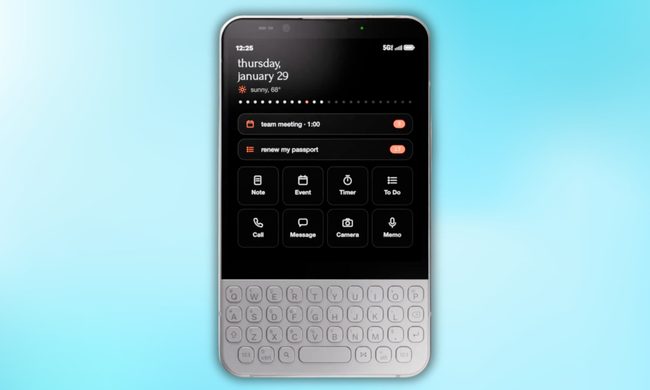
Now, founder Armen Youssefian has posted what appears to be a 360-degree render of the Minimal Phone 2 on X, and from what I can see, the team has done its homework.
The EU says TikTok still isn’t doing enough to protect kids
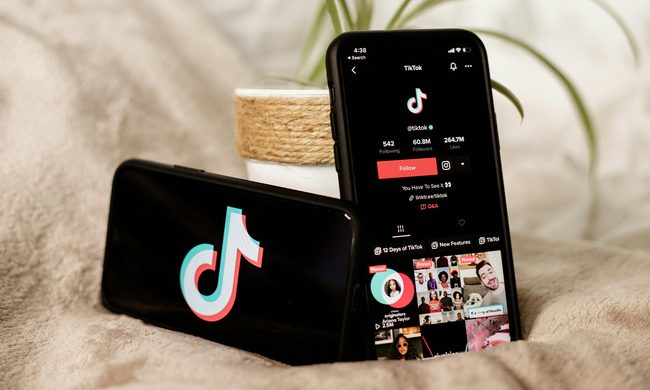
Why the EU thinks TikTok isn't doing enough
Qualcomm is set to ratchet up chip prices in September, and your next gadget upgrade could bear the brunt

The price hike will be in effect from September 1, 2026, a recent Bloomberg report claims. Essentially, all the companies placing their chip orders after that will pay a higher price.