
Matter — the interoperability protocol that will bring smart devices from different brands under a single umbrella of control — is less than a month away from its official launch. Ahead of the grand reveal, Samsung and Google have announced a partnership that adds a convenient element of interoperability to their respective smart home ecosystems.
Sounds confusing? Well, here’s the easy breakdown. Samsung, in collaboration with partner brands, sells a wide range of smart home devices, from doorbells and switches to lights and garage door openers. However, barely a few of those SmartThings gadgets worked seamlessly with Google’s Home app for controlling smart home gizmos.
The whole process of onboarding a device from another ecosystem into a smart home app was quite a chore. At its annual Samsung Developer Conference, the company announced that it will soon put an end to those hassles with the arrival of Matter, thanks to the multi-admin feature at its heart.
The core idea behind multi-admin support is that with a universal talking language (read: Matter) for smart home devices, they should work with all smart home apps out there irrespective of the brand. The goal is to end the fragmentation and compatibility limitations, allowing users to link their smart home device from Brand A with a smart home app developed by Brand B. The only pre-requisite is that both brands should be a member of the Matter consortium.
In this case, Samsung and Google are taking advantage of Matter’s multi-admin feature to connect the SmartThings ecosystem with the Google Home portfolio. The multi-admin feature will be rolled out in the coming weeks for compatible Google and Samsung devices. Samsung says its line-up of Galaxy phones and tablets will let users effortlessly set up — and control — SmartThings and Google Home ecosystem gadgets in their homes.
So, what’s the core benefit at the end of the day? Well, when you buy a SmartThings device that is Matter-certified and set it up for the first time in the namesake app, a prompt will tell you about more Matter-certified devices in your home that are linked to the Google Home app.
At this stage, users will be given an option to onboard their new device with the Google Home app. No account hassles or multi-step pairing procedure is needed to register the device with all smart home apps installed on your phone.
But more than just seamless pairing, users will also be able to control all their devices from the same app. For example, you will be able to control a Samsung smart doorbell using the Google Home app just the same way you would do with the SmartThings app. Down the road, this facility should trickle beyond just Samsung and Google.
Matter is an open-source innovation that has been in development for years. At the moment, there are close to 300 companies — including giants like Apple, Amazon, Google, Samsung, and Comcast — that have vowed to support and embrace Matter. Some brands like Philips and Ikea have promised to update their existing devices with Matter support, while others will launch new Matter-ready devices in the coming months.
Related Posts
The Minimal Phone 2 looks dramatically better than the original, and I’m genuinely here for it
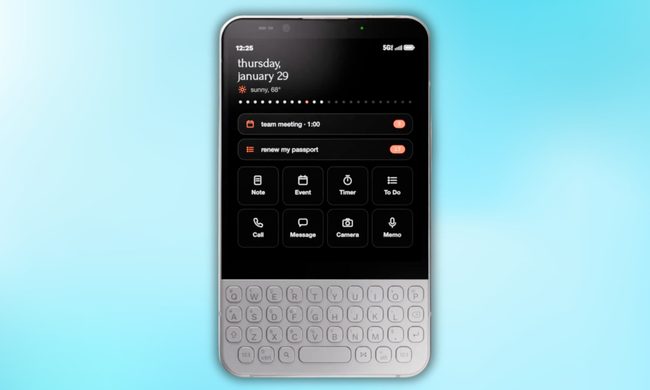
Now, founder Armen Youssefian has posted what appears to be a 360-degree render of the Minimal Phone 2 on X, and from what I can see, the team has done its homework.
The EU says TikTok still isn’t doing enough to protect kids
Why the EU thinks TikTok isn't doing enough
Qualcomm is set to ratchet up chip prices in September, and your next gadget upgrade could bear the brunt
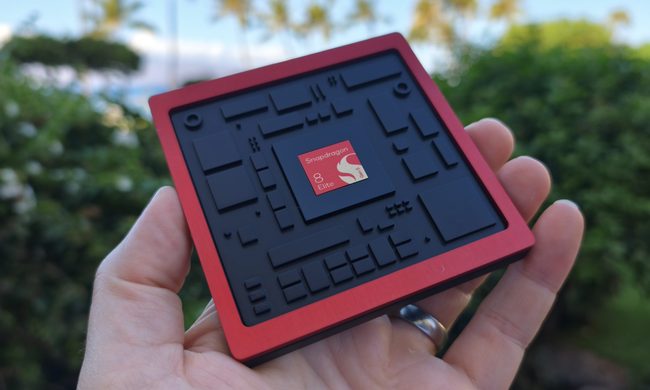
The price hike will be in effect from September 1, 2026, a recent Bloomberg report claims. Essentially, all the companies placing their chip orders after that will pay a higher price.