Your Pixel is getting Android 17 again
|
By
Moinak Pal Published February 14, 2026 |

Google has restarted the rollout of Android 17 for eligible Pixel devices, resuming its beta release cycle after a short interruption. The company confirmed the update through its Android Developers blog, marking the first official beta of Android 17 and signaling that the next major version of the operating system is moving ahead on schedule.
The rollout had briefly stalled following reports of minor stability issues in earlier test builds. With the new beta now available, Google is inviting developers and Pixel users enrolled in the Android Beta Program to test Android 17 and provide feedback.
The update is currently available for supported Pixel models, including recent Pixel flagship and mid-range devices. As with previous beta releases, users can install the update over the air once enrolled, without needing to manually flash system images.
Android 17 introduces refinements rather than radical design changes. Early highlights include improvements to background task efficiency, tighter privacy controls, and enhanced app compatibility tools for developers. Google is also continuing its focus on performance consistency, especially around battery management and system responsiveness.
Google’s faster Android release cadence has reshaped how updates roll out across the ecosystem. Instead of unveiling features late in the year, Google now begins developer previews and beta testing earlier, giving app developers more time to prepare before the stable release.
For developers, the resumed rollout ensures they can start testing compatibility and performance adjustments for Android 17 ahead of the public launch later this year.
Android 17 also reinforces Google’s strategy of pushing AI-powered enhancements deeper into the operating system. While not all AI features are visible in the first beta, Google has hinted at improvements in on-device intelligence, smarter resource management, and more adaptive user experiences.
If you own a Pixel device, the resumed rollout signals that Google’s next wave of updates is on track. While beta software is not recommended for everyone due to potential bugs, early adopters can explore new features months before the stable release.
Even if you choose not to install the beta, this stage of development typically indicates that a stable version could arrive later this year, likely alongside upcoming Pixel hardware. Google’s modern update model also means security patches and system refinements will continue independently of major OS upgrades.
Google is expected to release multiple beta updates over the coming months, refining performance and adding features based on developer and community feedback. The final stable release of Android 17 is likely to debut in the second half of the year.
As the beta cycle progresses, more details about user-facing features, system optimizations, and AI-driven enhancements should emerge. For now, the resumed rollout confirms one thing: Android 17 is officially back on track – and Pixel users are once again first in line.
Related Posts
The Minimal Phone 2 looks dramatically better than the original, and I’m genuinely here for it
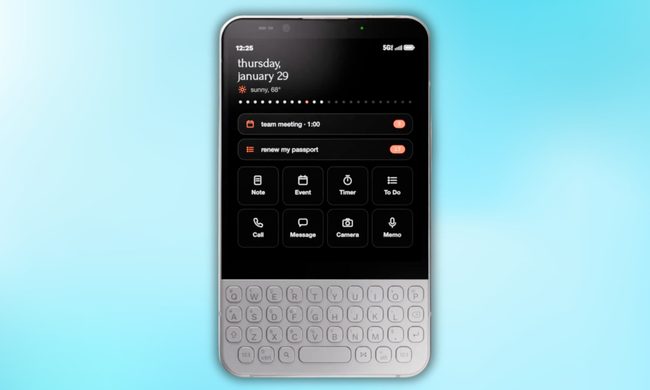
Now, founder Armen Youssefian has posted what appears to be a 360-degree render of the Minimal Phone 2 on X, and from what I can see, the team has done its homework.
The EU says TikTok still isn’t doing enough to protect kids
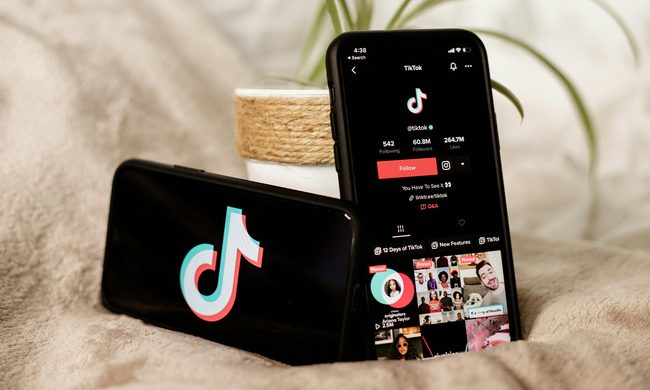
Why the EU thinks TikTok isn't doing enough
Qualcomm is set to ratchet up chip prices in September, and your next gadget upgrade could bear the brunt
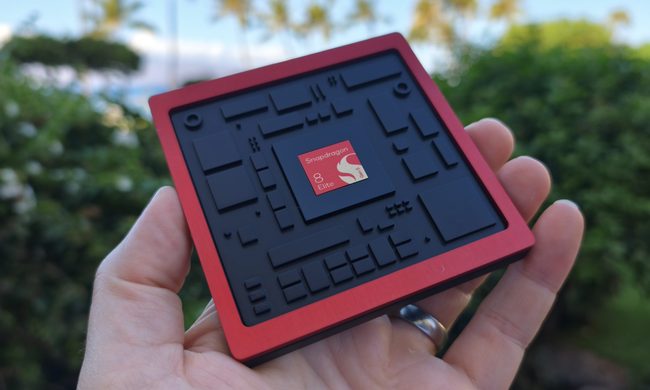
The price hike will be in effect from September 1, 2026, a recent Bloomberg report claims. Essentially, all the companies placing their chip orders after that will pay a higher price.