ISS astronaut shares astonishing shot of a storm-generated sprite
|
By
Trevor Mogg Published July 3, 2025 |

“Just. Wow.” So said NASA astronaut Nichole Ayers as she caught sight of a phenomenon known as a sprite from the International Space Station (ISS) 250 miles above Earth.
Ayers shared an image on her X account showing the fleeting phenomenon. You can see the sprite — essentially a large-scale electrical discharge — in the center of the picture as a bluish-white flash on the clouds, with a thin, red, tree-like burst of light shooting upward into the dark sky.
“As we went over Mexico and the U.S. this morning, I caught this sprite,” the American astronaut, who arrived in orbit in March, wrote in a post on X.
As she explains, sprites are known as Transient Luminous Events (TLEs) that occur above clouds and are triggered by intense electrical activity in thunderstorms below.
Seen from the ISS, the sprite likely lasted for less than a tenth of a second, suggesting that Ayers’s image is a frame taken from a video that was monitoring the skies over Earth.
“We have a great view above the clouds, so scientists can use these types of pictures to better understand the formation, characteristics, and relationship of TLEs to thunderstorms,” Ayers wrote in her post.
Unlike aurora, which are easily observed from the ground as well as space, it’s much harder to observe a sprite from terra firma as it requires special conditions such as clear dark skies, distant large thunderstorms, and minimal light pollution.
Visual reports of sprites were first recorded in 1886, but it wasn’t until July 4, 1989 — exactly 36 years ago — that the first images were taken, by scientists at the University of Minnesota.
For anyone wondering about their effect on aircraft, sprites actually take place way above commercial flight altitudes and therefore pose no direct danger to aircraft. While their electromagnetic pulses could theoretically affect an aircraft’s electronics, no incidents have been reported.
Related Posts
Space is becoming Bezos and Musk’s next data center site, and we have every reason to worry
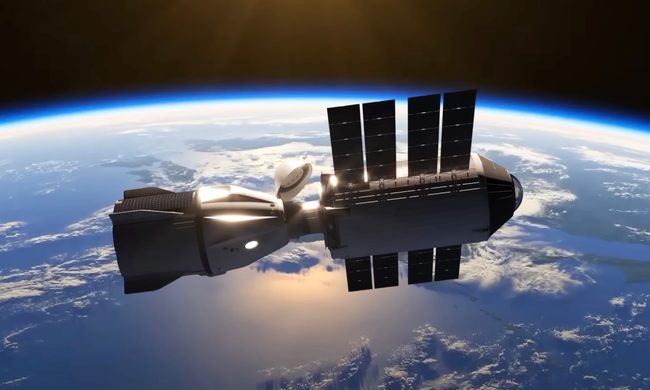
Elon Musk's SpaceX and Jeff Bezos' Blue Origin, along with several other companies, have proposed enormous constellations of satellites designed to operate as orbital data centers. However, environmental groups and former space officials are now warning that putting them into orbit at the proposed scale could have severe consequences for Earth's atmosphere and the night sky.
The first possible exomoon is here, and it makes our Moon look hilariously tiny
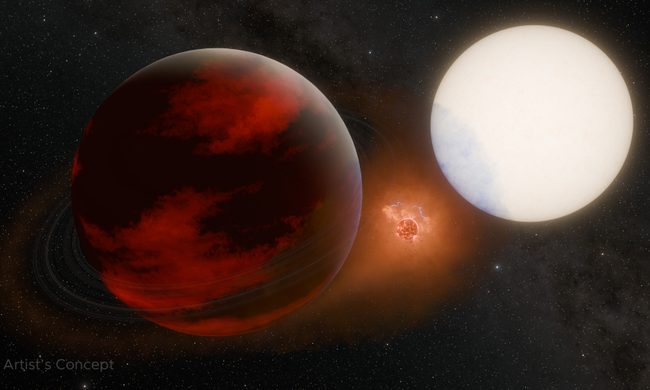
Using the European Southern Observatory’s Very Large Telescope in Chile, researchers detected strong evidence for a moon-like object in the CD-35 2722 system. Further observations are still necessary to confirm the discovery, but it could become the first confidently detected natural satellite outside our solar system. There is still one tiny complication though. This moon is apparently massive.
China’s answer to SpaceX’s reusable rockets literally catches boosters in a net

China just managed to pull off something similar, but in a slightly different way, and on July 10, it tested the method as well.