Watch SpaceX test its giant ‘chopsticks’ ahead of 11th Starship launch
|
By
Trevor Mogg Published October 6, 2025 |

In less than a week from now, SpaceX will launch the Starship megarocket from its Starbase site near Boca Chica in southern Texas.
Space enthusiast site NASASpaceflight shared a short video (below) showing SpaceX prepping the launch tower for the arrival of the first-stage Super Heavy booster and the upper-stage Ship spacecraft in the coming days.
The video shows the tower’s so-called “chopsticks” practicing the maneuver that will stack the Ship onto the Super Heavy, ready for flight. The same chopsticks have been used in several earlier flights to secure the reusable Super Heavy booster on its return, though on the 11th flight the vehicle will attempt a soft, controlled touchdown on water rather than return to base.
The Ship will also land on water, though as soon as next year SpaceX will attempt to bring the Ship back to base, landing it using the chopsticks.
When fully tested and licensed, SpaceX will work with NASA to use the Starship to carry crew and cargo to the moon as part of the Artemis program. The rocket could also be used for the first human mission to Mars.
Creating around 17 million pounds of thrust at launch, the Starship is the most powerful rocket ever built and create an astonishing spectacle as it lifts off the ground.
The 10 flights to date have produced mixed results, though the company likes to make clear that its method of inflight testing embraces errors, with each mission viewed as a learning opportunity thanks to the huge amount of data that’s generated by each flight.
As it has done with all of the other flights, SpaceX will be livestreaming the 11th flight on Monday, October 13. Digital Trends has all the information you need to watch the launch. And here’s everything we know about the upcoming flight.
Related Posts
Space is becoming Bezos and Musk’s next data center site, and we have every reason to worry
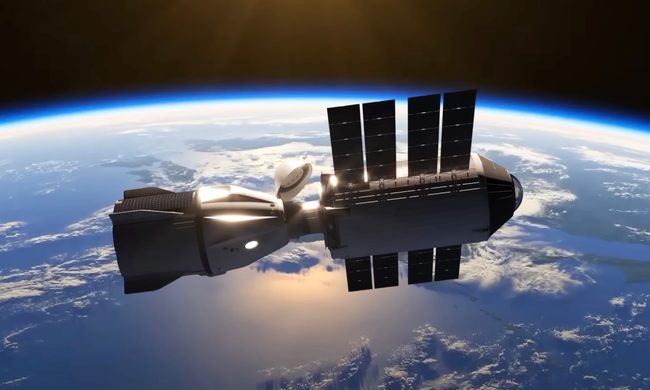
Elon Musk's SpaceX and Jeff Bezos' Blue Origin, along with several other companies, have proposed enormous constellations of satellites designed to operate as orbital data centers. However, environmental groups and former space officials are now warning that putting them into orbit at the proposed scale could have severe consequences for Earth's atmosphere and the night sky.
The first possible exomoon is here, and it makes our Moon look hilariously tiny

Using the European Southern Observatory’s Very Large Telescope in Chile, researchers detected strong evidence for a moon-like object in the CD-35 2722 system. Further observations are still necessary to confirm the discovery, but it could become the first confidently detected natural satellite outside our solar system. There is still one tiny complication though. This moon is apparently massive.
China’s answer to SpaceX’s reusable rockets literally catches boosters in a net

China just managed to pull off something similar, but in a slightly different way, and on July 10, it tested the method as well.