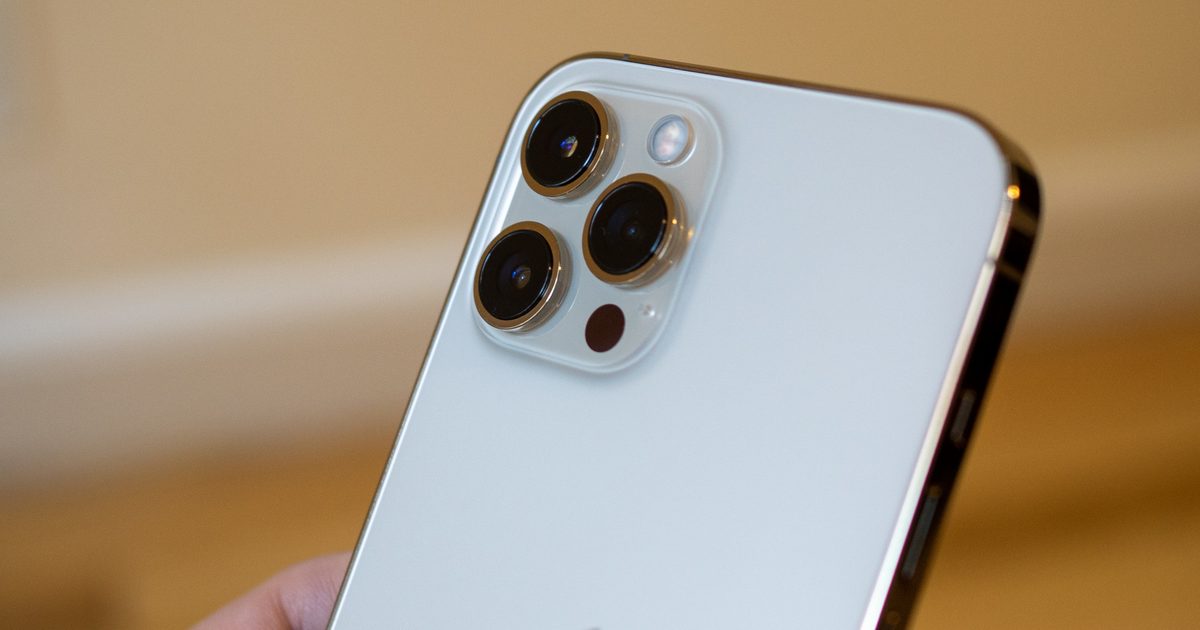
Astronomer and author Tom Kerss recently pointed his iPhone 12 Pro Max skyward to nail a wonderful shot (below) of the Milky Way. It’s the latest example of just how far smartphone camera technology has come in recent years.
“We need to talk about the astrographic potential of modern smartphone cameras,” the London-based stargazer said in a message tweeted with the eye-catching photo. “This image was made from data captured using an iPhone 12 Pro Max. Sensor pixels are just 1.7 microns! It’s ridiculously capable for its size and provides usable data courtesy of 12-bit DNG — ‘ProRAW.’”
Apple’s ProRAW format for the iPhone 12 Pro and iPhone 12 Pro Max combines the information of a standard, uncompressed RAW image with iPhone image processing, giving you greater flexibility when editing the exposure, color, and white balance in the photo.
https://twitter.com/tomkerss/status/1417944363804635136
In additional comments, Kerss says the image shows the Summer Triangle “with a bright region of the Milky Way (star clouds in the spiral arm we inhabit) as well as a (possibly early Perseid) meteor — yes, that’s in the data.”
Kerrs, whose recently published debut book You Can Explore The Universe aims to get kids excited about space and all of its magical wonders, concedes that the image is far from perfect, with “the usual astro-related aberrations” present. However, he adds that these can be corrected using in-phone editing tools.
The astronomer notes that Google’s Pixel camera, also known for its ability to capture amazing shots of the night sky, takes a different approach to astrophotography “and produces impressive images entirely on-device, but it offers considerably less flexibility than ProRAW. It also suffers from the same field issues (which could also be fixed by leveraging onboard power!).”
Kerrs said he spoke to Google last year and offered suggestions about possible improvements to the Pixel’s astrophotography mode, but “unfortunately it didn’t go anywhere.”
If you’re into the night sky and want to learn more about what’s out there, do check out this carefully curated list of astronomy apps for iOS and Android.
Related Posts
Space is becoming Bezos and Musk’s next data center site, and we have every reason to worry
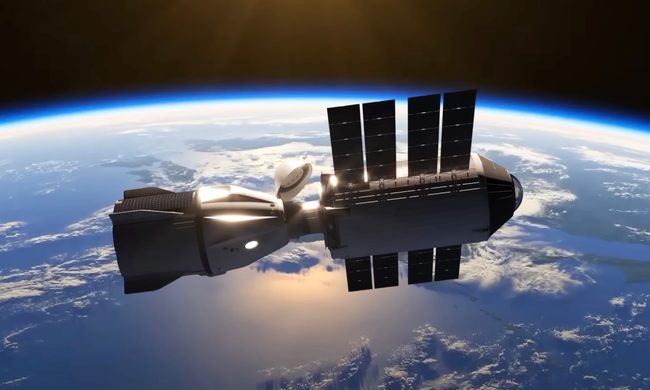
Elon Musk's SpaceX and Jeff Bezos' Blue Origin, along with several other companies, have proposed enormous constellations of satellites designed to operate as orbital data centers. However, environmental groups and former space officials are now warning that putting them into orbit at the proposed scale could have severe consequences for Earth's atmosphere and the night sky.
The first possible exomoon is here, and it makes our Moon look hilariously tiny
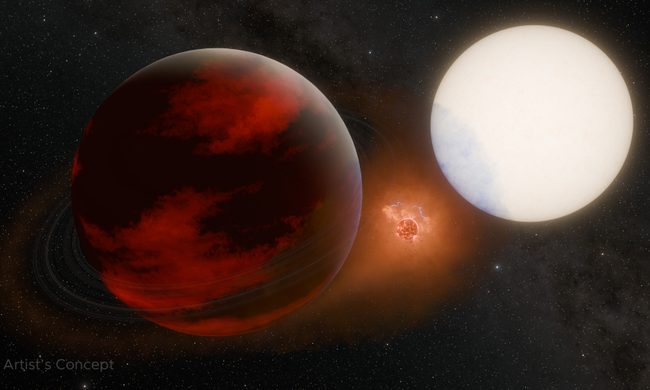
Using the European Southern Observatory’s Very Large Telescope in Chile, researchers detected strong evidence for a moon-like object in the CD-35 2722 system. Further observations are still necessary to confirm the discovery, but it could become the first confidently detected natural satellite outside our solar system. There is still one tiny complication though. This moon is apparently massive.
China’s answer to SpaceX’s reusable rockets literally catches boosters in a net

China just managed to pull off something similar, but in a slightly different way, and on July 10, it tested the method as well.