Touchscreens may hide secrets about how we make decisions
|
By
Andy Boxall Published January 23, 2025 |

The swipes and taps we use to control our smartphones may reveal interesting information about how we make decisions, according to research from a team at the University of Alberta’s Actions in Complex Environments Laboratory. In the future, the movements could be tracked to inform doctors about injury recovery, help recruiters make decisions on who to hire, or even how apps are laid out.
The paper states, “As decisions require actions to have an effect on the world, measures derived from movements such as using a mouse to control a cursor on a screen provide powerful and dynamic indices of decision-making.” It goes on to say that touchscreens provide more informative results for understanding indecision compared to computers.
“We can actually understand a lot of what’s going on inside someone’s head by carefully measuring what’s going on outside their head,” Craig Chapman, an associate professor who worked on the research, told Phys.org. Participants used an Android smartphone or Android tablet and completed timed trials which involved making decisions and tapping and swiping to complete tasks centered around what the research calls “reach-decisions,” where a choice of options were presented in different areas of the screen.
“We think touch devices are perhaps even better for revealing movement signatures of decision-making because you have to move and interact in a more realistic way,” Chapman said. The research notes, “high difficulty decisions displayed greater reaction times, movement times and trajectory curvature compared to low difficulty decisions.”
Chapman believes the research could become “transformative” when used to assess certain individuals in specific circumstances. For example, clinicians and trainers could use movement data to track recovery and rehabilitation, and also understand where people would benefit from further training or assistance. Another instance mentioned was during hiring assessments, where understanding how someone deals with indecision and choice may affect whether they’re more suitable for a job than another candidate.
In the research’s conclusion, it also talks about how the data could “optimize the collection of decision information,” as there are certain combinations that are, “most sensitive for a particular task.” App developers, for example, may be able to use it to better understand where to put buttons related to purchases or other crucial “call to action” interfaces, in order to possibly minimize indecision, and maximize return.
The university’s complete research paper can be found here, where it goes into detail about how it differs from previous research that only took computer-and-mouse movements into account.
Related Posts
Motorola may have built the iPad alternative Android users have been waiting for
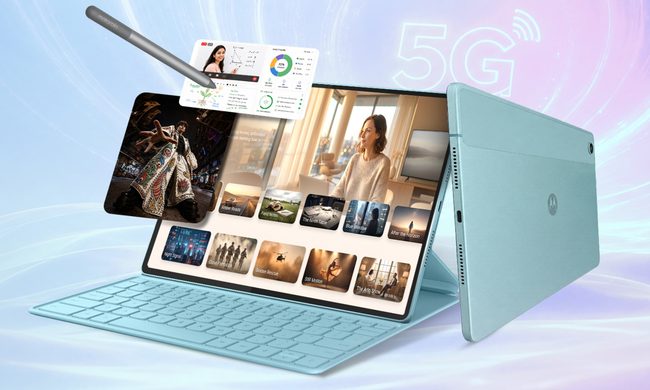
The tablet will launch in India on August 8 through Flipkart. Its 12.1-inch 2.5K display, included Moto Pen, 10,200mAh battery, and 68W charging give it several features that could appeal to people considering Apple’s base iPad. However, the mid-range Dimensity 6400 processor means it is unlikely to match the iPad in raw performance.
Qualcomm is set to ratchet up chip prices in September, and your next gadget upgrade could bear the brunt
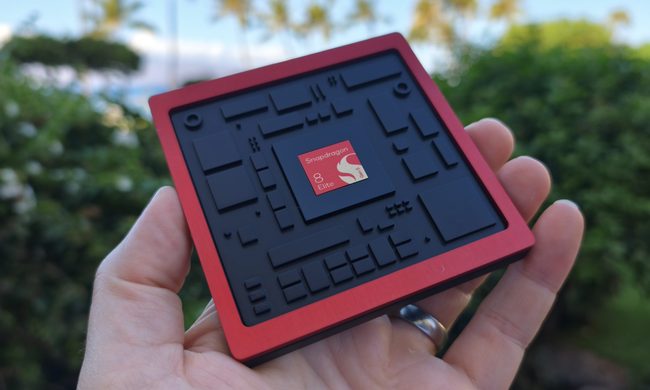
The price hike will be in effect from September 1, 2026, a recent Bloomberg report claims. Essentially, all the companies placing their chip orders after that will pay a higher price.
Stop losing your notes and start the school year with one of these e-readers that double as notebooks
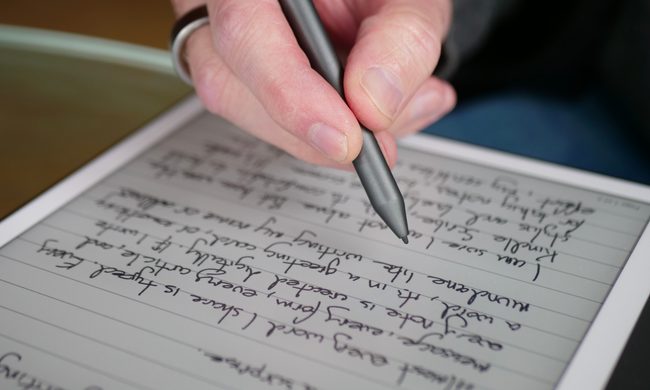
One device that you can use to read books and PDFs, take notes, and keep everything organized would fix this, and that's exactly what e-readers with pen input support are built to do. And you don't need to spend what you'd drop on textbooks for a semester to get one either. I've rounded up six worth buying this back-to-school season, and I'll tell you exactly who each one is for.