
In an attempt to streamline the platform and “focus on quality and reliability,” Google is axing 17 features from Google Assistant. The move corresponds with news the tech company is laying off hundreds of employees from its voice assistant division, as well as the exit of Fitbit co-founders James Park and Eric Friedman.
Google hasn’t revealed an exact date for removing features, but in the next few months, you’ll no longer be able to use your voice to send emails or audio messages, reschedule events in Google Calendar with your voice, or check your travel itinerary by voice. The full list of removals is staggering, encompassing 17 abilities.
Here’s a look at what’s disappearing, pulled directly from Google’s official blog post.
Google notes that attempting to trigger a feature on the chopping block will result in a pop-up alerting you to when it’ll officially disappear. The post ends by saying consumers can voice their opinion about the cuts by saying, “Hey, Google, send feedback,” and then speaking their minds.
While the end goal might be to create a more streamlined Google Assistant, there’s no denying that laying off employees and removing features is a bad look. Google doesn’t seem to have a problem pivoting and cutting products as the market dictates (look no further than Google Glass for an example), and there’s a good chance Assistant will look radically different in the future.
If its performance is anything like Alexa, which is losing tons of cash for Amazon, expect Google to keep iterating until the team finds something sustainable.
Related Posts
Qualcomm is set to ratchet up chip prices in September, and your next gadget upgrade could bear the brunt

The price hike will be in effect from September 1, 2026, a recent Bloomberg report claims. Essentially, all the companies placing their chip orders after that will pay a higher price.
Slacked off all summer? Here are 3 fitness trackers that’ll help you stay accountable as you head back to school
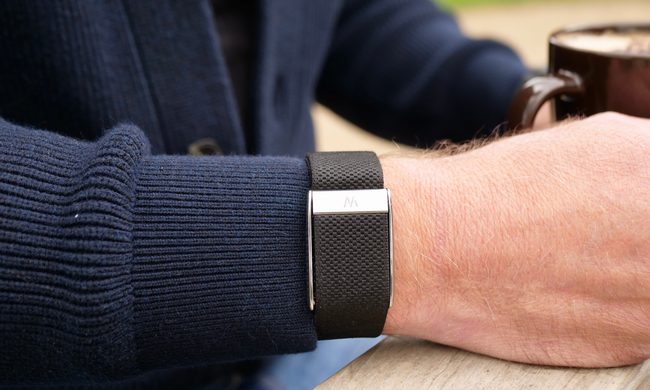
A fitness tracker won't get you off your couch. What it will do is put a number in front of you every day, one that makes it obvious whether you stuck to your goal or slacked off. That small bit of visibility is often the difference between meaning to work out and actually doing it. Back-to-school season is a good time to buy in, since you're already resetting more than one part of your routine, and the overlap makes the habit more likely to stick. To keep the odds in your favor, here are three fitness trackers that can help you stay accountable and actually hit your goals.
Galaxy Watch 9 vs. Watch Series 11: Has Apple finally met its smartwatch match?
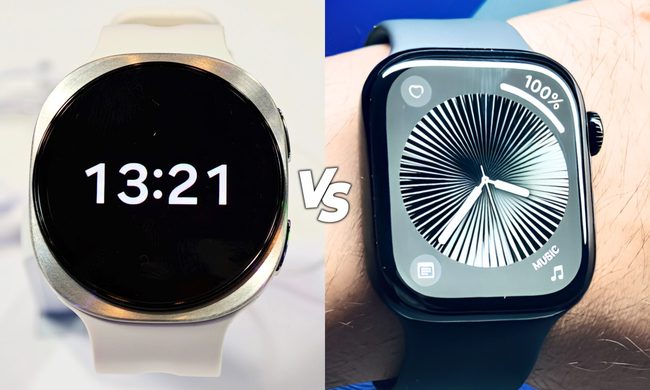
Samsung just refreshed its mainstream Galaxy Watch line with a new silicon and a batch of clinically-backed health tools, landing squarely on Apple's home turf of preventive wellness tracking. Apple, for its part, has spent the better part of a year letting its Series 11 sit as the reigning pick for anyone inside its ecosystem, propped up by a software catalog few rivals match feature-for-feature.