Huawei is testing diabetes risk detection on smartwatches
|
By
Manisha Priyadarshini Published February 11, 2026 |

Diabetes remains one of the world’s fastest-growing health challenges, with millions of people living with the condition without knowing it. Catching the warning signs early can make a real difference, and Huawei says its new smartwatch feature is designed to help by quietly flagging potential diabetes risk using the kind of health data your watch already tracks.
At the heart of Huawei’s diabetes risk feature is photoplethysmography, or PPG. It is a non-invasive optical method that tracks tiny changes in blood flow just beneath the skin.
If that sounds familiar, it is because many smartwatches, including the Huawei Watch 5, already rely on PPG to monitor heart rate and blood oxygen levels. Huawei is now taking those same signals and analysing them for patterns that may be linked to diabetes risk.
You will have to wear the watch regularly for anywhere between 3 to 14 days. During that time, the watch continuously gathers cardiovascular data from the wrist. The Diabetes Risk app then sorts the results into low, medium, or high-risk categories.
If you fall into the medium or high-risk group, the app will tell you to consult a healthcare professional for proper medical testing.
To validate the system, Huawei has partnered with Dubai Health to study how well the watch-based results compare with hospital tests such as fasting blood glucose, HbA1c, and OGTT.
However, Huawei is also careful to stress that this feature is not a medical device. It is meant to raise awareness and encourage early action, not diagnose diabetes.
Huawei is not alone in this race. Apple is exploring AI-powered tools to predict structural heart diseases using data from future Apple Watch models, while Samsung is working on features that can detect early signs of dementia.
For now, Huawei’s diabetes risk feature is available on the Huawei Watch GT 6 Pro via an OTA software update, with plans to expand support to additional smartwatch models.
While it does not replace clinical diagnosis, consumer wearables are steadily becoming an important tool for spotting health risks early.
Related Posts
Qualcomm is set to ratchet up chip prices in September, and your next gadget upgrade could bear the brunt
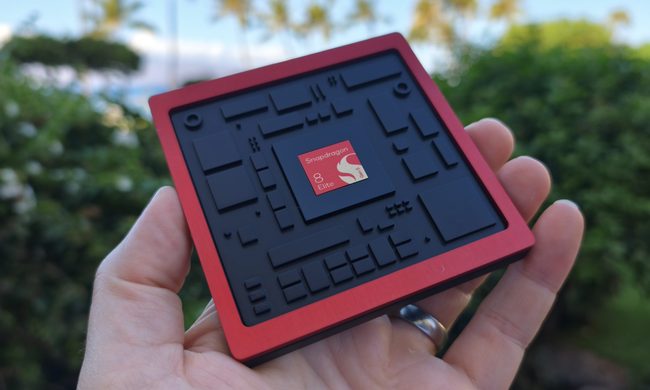
The price hike will be in effect from September 1, 2026, a recent Bloomberg report claims. Essentially, all the companies placing their chip orders after that will pay a higher price.
Slacked off all summer? Here are 3 fitness trackers that’ll help you stay accountable as you head back to school
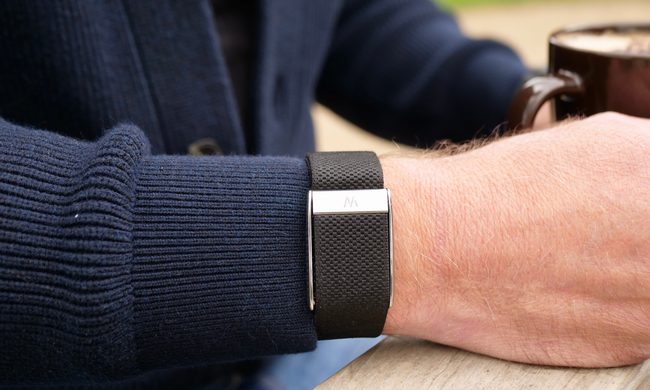
A fitness tracker won't get you off your couch. What it will do is put a number in front of you every day, one that makes it obvious whether you stuck to your goal or slacked off. That small bit of visibility is often the difference between meaning to work out and actually doing it. Back-to-school season is a good time to buy in, since you're already resetting more than one part of your routine, and the overlap makes the habit more likely to stick. To keep the odds in your favor, here are three fitness trackers that can help you stay accountable and actually hit your goals.
Galaxy Watch 9 vs. Watch Series 11: Has Apple finally met its smartwatch match?
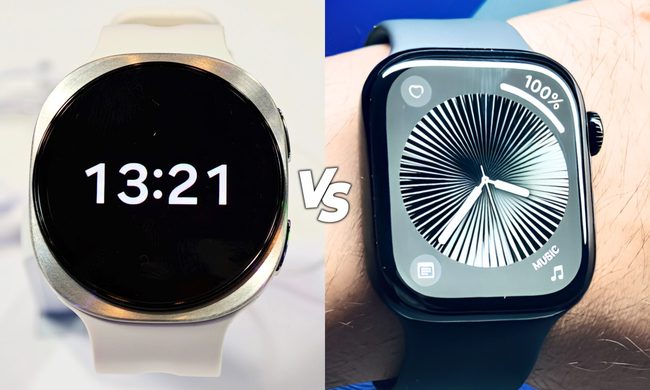
Samsung just refreshed its mainstream Galaxy Watch line with a new silicon and a batch of clinically-backed health tools, landing squarely on Apple's home turf of preventive wellness tracking. Apple, for its part, has spent the better part of a year letting its Series 11 sit as the reigning pick for anyone inside its ecosystem, propped up by a software catalog few rivals match feature-for-feature.