We review a lot of health wearables. This one tracks something most ignore.
|
By
Omair Khaliq Sultan Published January 22, 2026 |

This post is brought to you in paid partnership with Hume
We’ve discussed the Hume Band’s design ethos before; specifically, how its screen-free, fabric-wrapped profile respects your attention span. But for those who treat their health as a long-term asset, the form factor is secondary to the data.
While most wearables track how many steps you take or how poorly you slept, Hume focuses less on daily activity statistics and more on the biological cost of that activity.
The core differentiator here is a metric called Metabolic Capacity. Think of this as a resilience score for your biology. It measures how efficiently your body performs and, crucially, how it recovers from stress.
This is the metric that matters for Hume. A higher capacity doesn’t just mean you can run further; it indicates that your system is robust enough to handle the wear and tear of aging. It shifts the focus from “how much did I do today?” to “how well is my body handling the load?” This is the definition of endurance, not just in sport, but in life.
The second critical insight is Metabolic Momentum. This is essentially a real-time speedometer for your aging process. It analyzes your daily inputs: sleep, movement, and stress, to determine if your current lifestyle choices are accelerating the aging process or hitting the brakes.
This is where the “coach” aspect comes in. It allows you to make micro-adjustments such as tweaking your sleep window and modifying your training intensity, to ensure your trajectory is pointed toward a longer, stronger life. It turns vague wellness goals into a clear, navigable path.
If you’re tired of trackers that just report the news, Hume offers a way to influence the headlines. It provides the insights necessary to build a body that isn’t just fit for today, but resilient for the decades to come.
Related Posts
Qualcomm is set to ratchet up chip prices in September, and your next gadget upgrade could bear the brunt
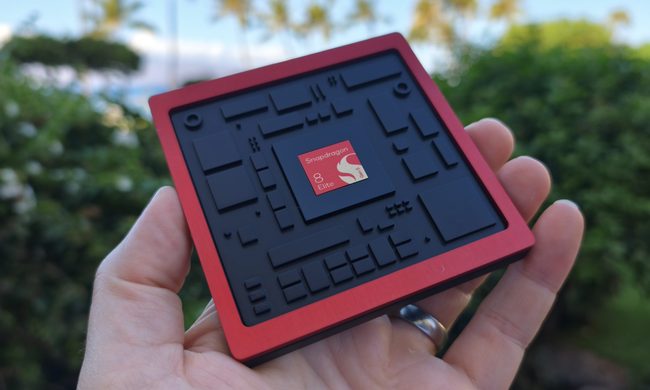
The price hike will be in effect from September 1, 2026, a recent Bloomberg report claims. Essentially, all the companies placing their chip orders after that will pay a higher price.
Slacked off all summer? Here are 3 fitness trackers that’ll help you stay accountable as you head back to school
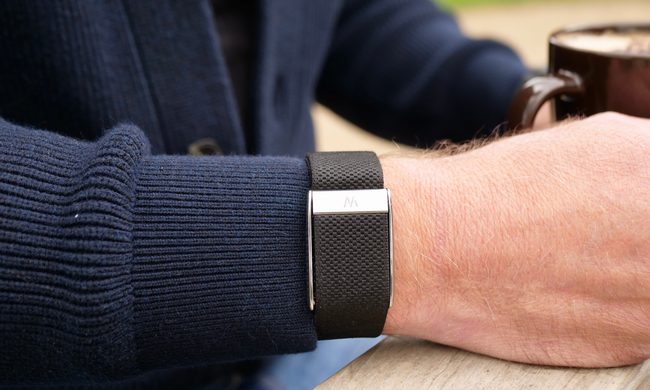
A fitness tracker won't get you off your couch. What it will do is put a number in front of you every day, one that makes it obvious whether you stuck to your goal or slacked off. That small bit of visibility is often the difference between meaning to work out and actually doing it. Back-to-school season is a good time to buy in, since you're already resetting more than one part of your routine, and the overlap makes the habit more likely to stick. To keep the odds in your favor, here are three fitness trackers that can help you stay accountable and actually hit your goals.
Galaxy Watch 9 vs. Watch Series 11: Has Apple finally met its smartwatch match?
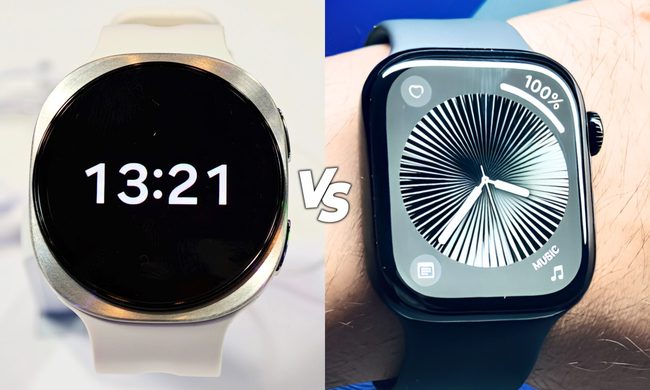
Samsung just refreshed its mainstream Galaxy Watch line with a new silicon and a batch of clinically-backed health tools, landing squarely on Apple's home turf of preventive wellness tracking. Apple, for its part, has spent the better part of a year letting its Series 11 sit as the reigning pick for anyone inside its ecosystem, propped up by a software catalog few rivals match feature-for-feature.