Meta’s smart glasses could soon identify people in real time
|
By
Moinak Pal Published February 13, 2026 |

Five years after shutting down facial recognition on Facebook over privacy concerns, Meta is preparing to bring the technology back – this time through its smart glasses. According to reports, the company is developing a feature internally called “Name Tag” that would allow wearers of its Ray-Ban Meta glasses to identify people in real time using facial recognition, with assistance from its built-in AI system.
Meta had previously discontinued facial recognition for photo tagging in 2021, citing the need to find the “right balance” between innovation and privacy. Now, as its wearable ambitions expand, the company appears ready to revisit the technology. The proposed feature would not function as a universal face search engine, but instead would reportedly recognize people connected to users through Meta platforms or those with public profiles.
The company’s smart glasses, developed in partnership with EssilorLuxottica, have become a surprising commercial success, with millions sold last year. Adding facial recognition could differentiate Meta’s hardware as competition intensifies from companies like OpenAI that are developing their own AI-first devices.
However, the plan carries serious privacy and civil liberties implications. Facial recognition has long drawn criticism from advocacy groups concerned about surveillance, misuse, and erosion of public anonymity. Some U.S. cities have restricted law enforcement use of the technology, while lawmakers have raised alarms about its deployment in public spaces. Critics argue that embedding such capabilities into consumer wearables could normalize constant identification in everyday life.
The company has acknowledged internal concerns about “safety and privacy risks.” The company is also exploring advanced versions of its glasses – internally referred to as “super sensing” – that could continuously run cameras and sensors. In such scenarios, facial recognition would help the AI assistant provide contextual reminders or information based on who the wearer encounters.
For consumers, the technology could offer convenience, especially for accessibility use cases such as helping blind or low-vision individuals identify people nearby. But it also raises questions about consent and transparency. Meta’s current glasses include a visible LED light to signal recording, and discussions are ongoing about how to signal when facial recognition features are active.
What comes next will likely depend on regulatory scrutiny and public response. Meta remains bound by past privacy settlements with regulators, though internal reports suggest some review processes have recently been streamlined. As AI wearables move closer to mainstream adoption, Meta’s approach to facial recognition could become a defining moment in the balance between innovation and personal privacy.
Related Posts
Qualcomm is set to ratchet up chip prices in September, and your next gadget upgrade could bear the brunt

The price hike will be in effect from September 1, 2026, a recent Bloomberg report claims. Essentially, all the companies placing their chip orders after that will pay a higher price.
Slacked off all summer? Here are 3 fitness trackers that’ll help you stay accountable as you head back to school
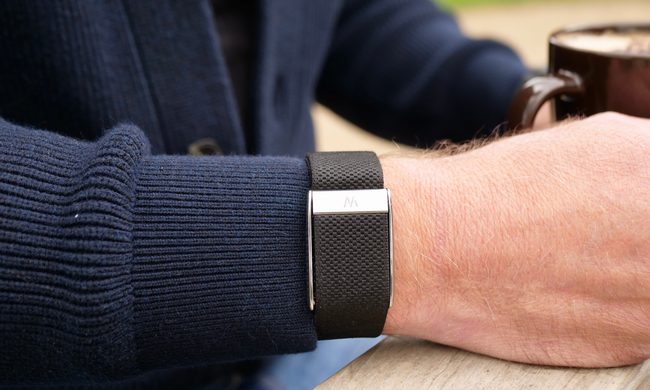
A fitness tracker won't get you off your couch. What it will do is put a number in front of you every day, one that makes it obvious whether you stuck to your goal or slacked off. That small bit of visibility is often the difference between meaning to work out and actually doing it. Back-to-school season is a good time to buy in, since you're already resetting more than one part of your routine, and the overlap makes the habit more likely to stick. To keep the odds in your favor, here are three fitness trackers that can help you stay accountable and actually hit your goals.
Galaxy Watch 9 vs. Watch Series 11: Has Apple finally met its smartwatch match?
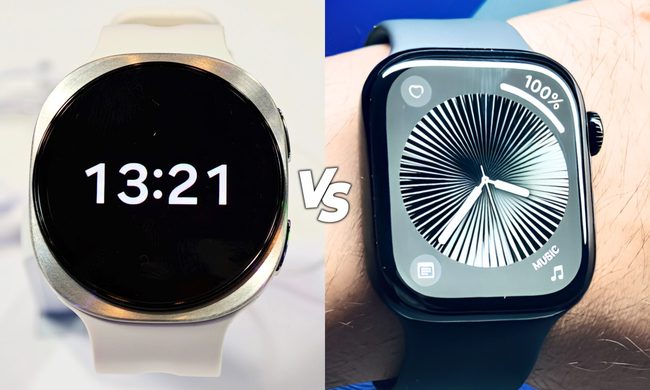
Samsung just refreshed its mainstream Galaxy Watch line with a new silicon and a batch of clinically-backed health tools, landing squarely on Apple's home turf of preventive wellness tracking. Apple, for its part, has spent the better part of a year letting its Series 11 sit as the reigning pick for anyone inside its ecosystem, propped up by a software catalog few rivals match feature-for-feature.