Smartwatch data could help curb diabetes with guided workouts
|
By
Nadeem Sarwar Published March 27, 2025 |
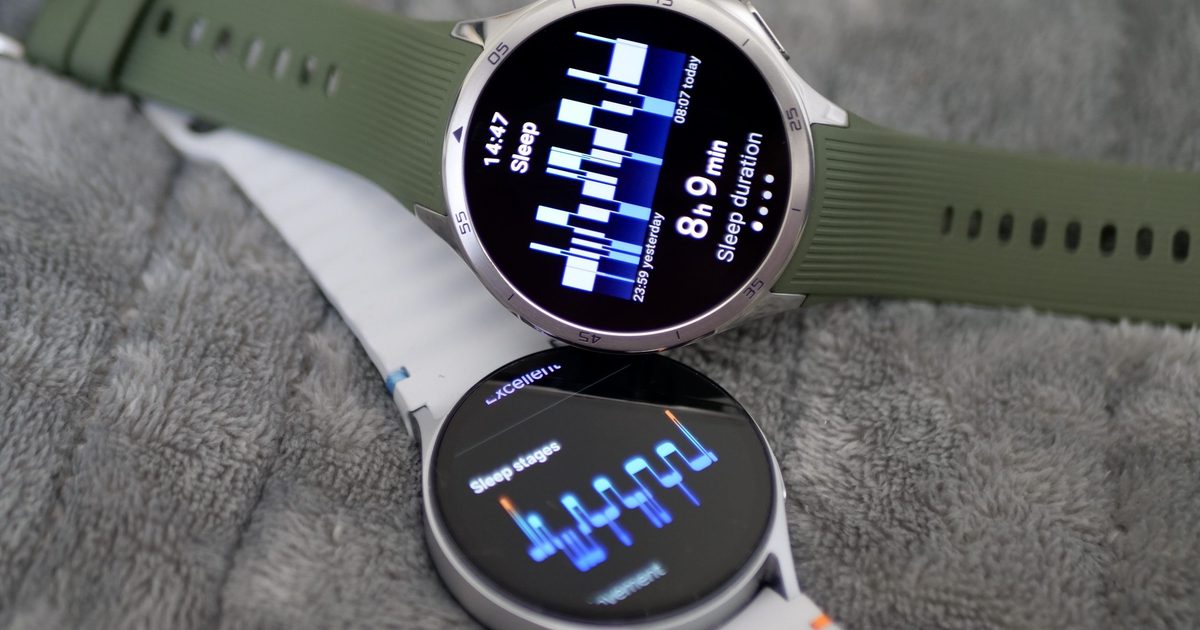
Over the past couple of years, I’ve often heard from doctors and researchers that a lot of people don’t realize the true potential of the sensory computer on their wrists. Experts from the American Heart Association recently told us that smartwatches can help lighten the burden of cardiac health woes.
Now, a clinical study suggests that wearable devices can help people with diabetes on the road to recovery. The research, courtesy of the University of Birmingham, notes that smartwatches can help people with Type 2 Diabetes cultivate healthy workout routines and keep related health complications in control.
As part of the trials involving the MOTIVATE-T2D intervention platform, researchers discovered that a healthy 82% of diabetes patients stuck to physical activity routines when their activity was analyzed through smartwatches and they were provided virtual guidance by certified health experts.
The latest study, which has been published in the BMJ Journal, notes that there was an overwhelmingly high 93% likelihood that people enrolled in such programs would start a wellness journey to fix their Type 2 diabetes situation. Moreover, the retention rate of people engaged in physical activity was also encouraging after 6-12 months of starting the wearable-assisted program.
The MOTIVATE-T2D program entails the analysis of biomarkers and activity patterns by doctors to offer personalized health guidance. In this case, heart rate and step count were the crucial metrics, collected via the accelerometer and optical monitor fitted inside Polar smartwatches.
The coaching, which involved guidance on strength training and cardio exercises, was provided via a connected mobile app and web dashboard. That’s a crucial intervention, as merely a fraction of diabetes patients stick with a regular exercise pattern, increasing their risk of obesity-related problems, higher risks of heart diseases, and overall poor physical and mental well-being.
“We found that using biometrics from wearable technologies offered great promise for encouraging people with newly diagnosed T2D to maintain a home-delivered, personalized exercise program with all the associated health benefits,” notes co-author of the paper, Dr. Katie Hesketh.
The team behind the research — which was conducted across academic institutions and medical facilities in the UK and Canada — notes that interventions such as MOTIVATE-T2D can also help with cholesterol management and yield other physical benefits if blood glucose level and pressure monitoring are also inculcated as part of the program. Interestingly, smartwatches can do the latter already.
Samsung’s latest generation Galaxy Watch can keep an eye on blood pressure levels using an optical sensor, while the Huawei Watch D has an integrated pump system in the cuff that doesn’t even require blood pressure calibration.
Novosound, on the other hand, has created an ultrasound-based blood pressure monitoring sensor that is ready for watches as well as smart rings. The folks over at Kennesaw State University have developed a system of blood glucose level measurement system called GlucoWatch, and even the likes of Apple are exploring such facility for smartwatches.
Related Posts
We review a lot of health wearables. This one tracks something most ignore.

We've discussed the Hume Band’s design ethos before; specifically, how its screen-free, fabric-wrapped profile respects your attention span. But for those who treat their health as a long-term asset, the form factor is secondary to the data.
Rokid’s AI glasses offer a more affordable route to wearables than Meta Ray-Ban

The AI Glasses Style is completely screenless and weighs just 38.5 grams, making it light enough to wear all day without discomfort. Instead of visual overlays, it relies on voice, audio, and a built-in 12MP Sony camera capable of shooting 4K video in clips up to 10 minutes.
Forget the watch, Apple’s AI Pin might be its next wearable move

According to the details shared so far, the wearable is still in the very early stages of development. In fact, Apple could launch it or even cancel it, depending on how engineering and market conditions evolve. That said, people familiar with the project say the company is targeting a 2027 release window, a move that would position Apple directly against other AI wearable efforts from competitors like OpenAI and others experimenting with similar form factors.